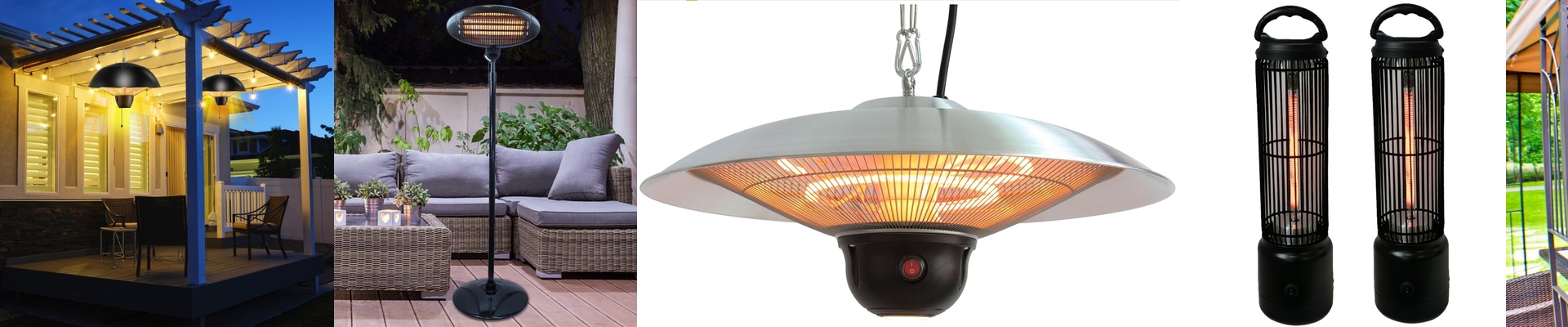
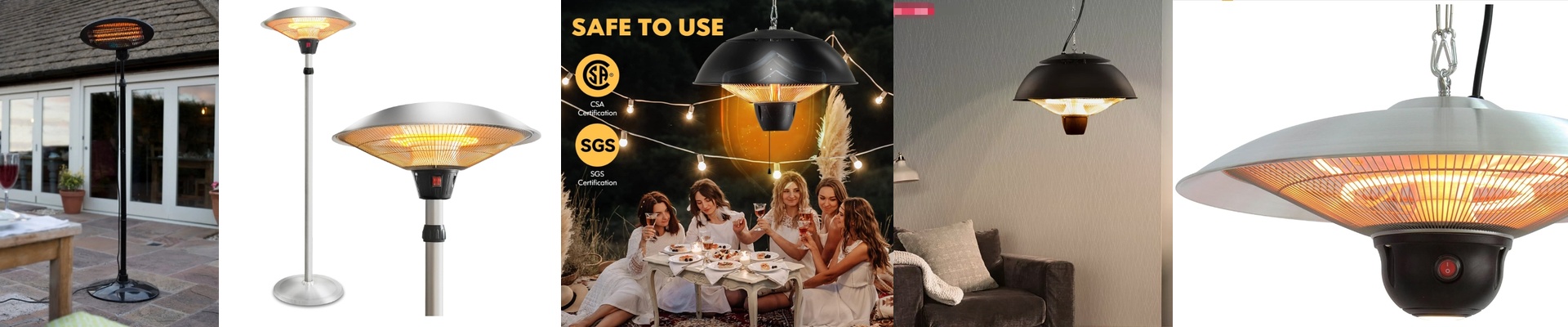
On the floor, heat isn’t just a setting—it’s the line between a pane that clears inspection and one that cracks during stress relief. When the annealing lehr can’t hold uniform temperature, or the bending oven is chasing slow ramp-up, you lose pace and yield. We built a dimmable infrared radiator to deal with exactly those headaches.
What matters under the hood
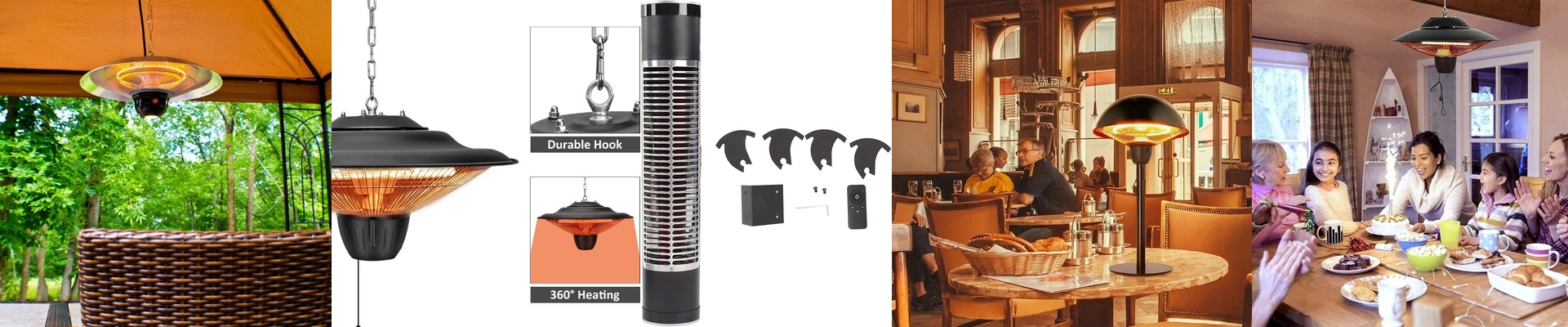
It’s short-wave infrared, quartz envelope. Fast response, high power density, and it fits into tight spots. Instant on/off plus stepless dimming gives you repeatable heat profiles from 30% to 100%, so you can match the thermal curve for annealing, tempering, and thermal bending without overshoot. Peak wavelength stays in the near-infrared band, hitting the glass surface directly and cutting wasted convection heat. The radiator is built for industrial life: stable emissivity across the element length, and a mounting interface that makes it straightforward to slot into existing oven ducts and heating zones.
Why this works where glass gets hot
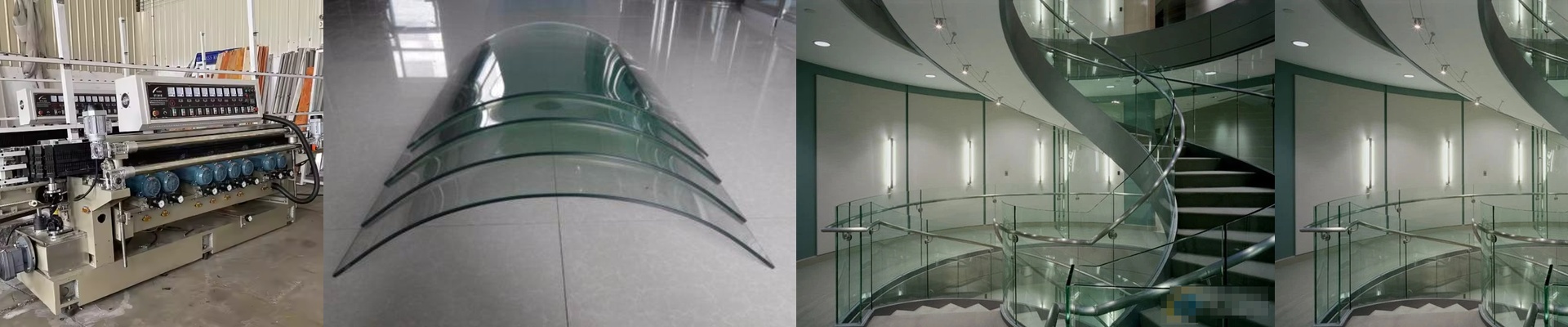
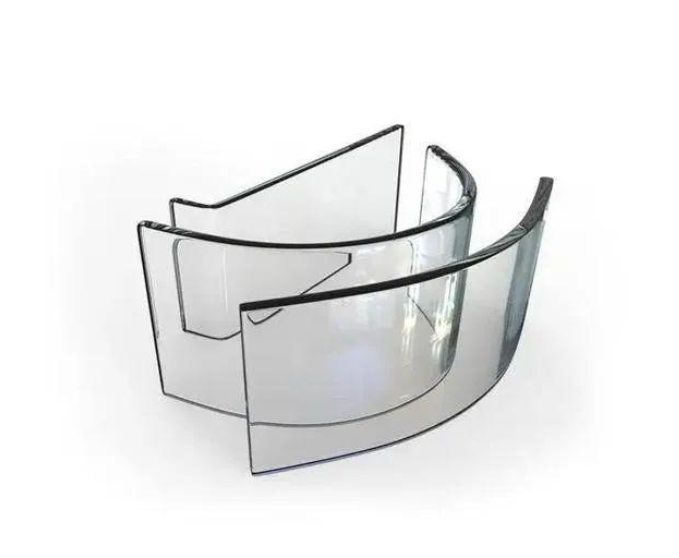
Glass is unforgiving with thermal gradients. In tempering, uneven heating turns into uneven quench, and that shows up as inconsistent surface compression—and safety performance you can’t bet on. In bending, a stable hot zone keeps the glass flowing predictably over the mold, which means less optical distortion and less edge roll. In insulating glass, uniform heat across the primary seal station helps you get consistent adhesion and seal integrity that holds over time. With this dimmable infrared, you get faster ramp rates, tighter zone control, and shorter cycles—while using less energy because the heat is delivered on demand and only where it’s needed.
Here’s what you’ll want to keep straight
Installation is simple, but alignment is not optional. The emitting face has to be parallel to the glass path. If it isn’t, you’ll get hot and cold bands that drive thermal stress and fractures. Keep reflectors clean and intact—small oxidation or warping is enough to throw the thermal field off. The dimming control performs best with a matched controller that follows temperature feedback; open-loop dimming can drift, especially on thick or coated glass. Expect shorter element life when you run max power and a high duty cycle—plan maintenance windows and keep spares on hand for high-throughput lines.