

Introduction
Ever stepped into a loft sunroom when it’s chilly? You know the feeling. The sun might be out, but those huge glass walls just suck the warmth right out of the room. That’s exactly why we built the Corner Infrared Heater. It doesn’t warm the air like a regular heater. Instead, it sends out shortwave infrared energy that goes straight to you—and the furniture—bypassing the air completely. So you feel cozy and warm, even when the room’s air is still playing catch-up.
What Makes It Tick: Power, Voltage, and Shape
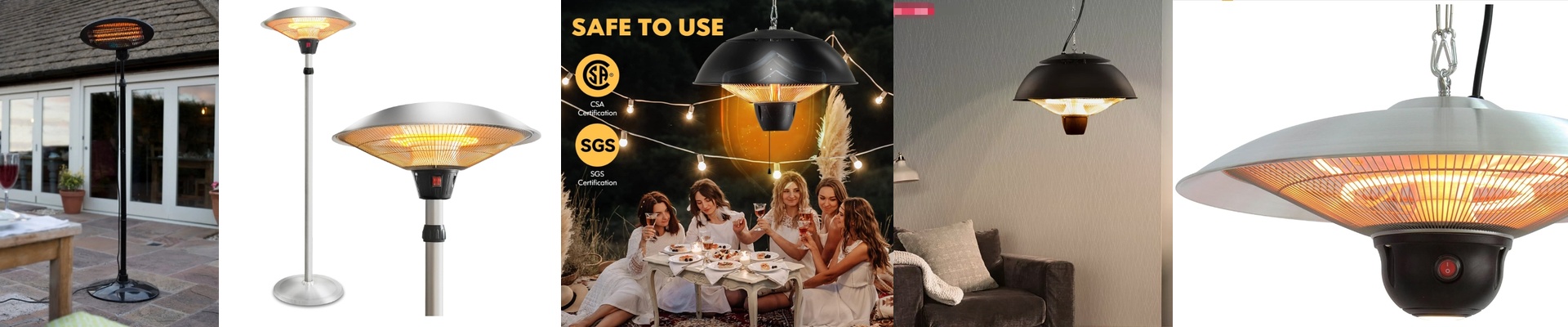
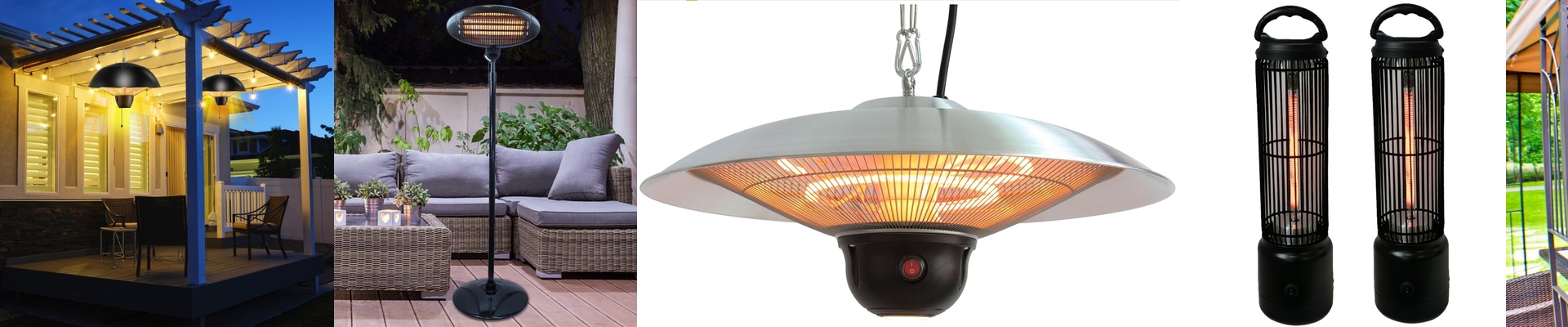
At the heart of this heater is a powerful infrared tube. We’re talking 2500W of output, just enough to fight back against the constant heat loss through those big windows. We run it on a 400V supply, and here’s why that matters: higher voltage means lower current for the same power. That lets us use thinner wiring, keeps voltage drop in check over longer runs, and prevents the terminals from getting too hot. Crucial, since the whole unit is tucked into a tight corner. The tube’s length is designed to sit neatly in the corner without taking up floor space. But even though it’s compact, its shape spreads the warmth wide enough to cover your favorite seating spots.
The Good Stuff Inside: Halogen, Quartz, and a Smart Connector
The tube itself is built with a halogen-filled quartz envelope. Quartz can handle the sudden heat shocks when you turn the heater on and off, and it stays steady even when the filament runs hot. The halogen inside keeps the filament clean, which means the heat output stays consistent and the tube lasts way longer than old-school elements. And the connector? We went with an R7s. It’s made for high heat and heavy current, all packed into a small profile. It gives you a solid, low-resistance connection that won’t loosen up, even after repeated heating and cooling. Plus, it’s simple to wire up and easy to service if you ever need to.
Why It Works So Well in Glass-Heavy Lofts
Let’s be honest—the real challenge in a sunroom is the glass. With a regular convection heater, you warm the air, but that warmth just leaks right out through the windows. Infrared is different. It heats people and solid objects first, so you feel comfortable almost instantly, long before the air temperature catches up. This heater responds almost immediately, delivering heat exactly when you need it. Now, there is one thing to keep in mind—infrared can create hot spots if the beam isn’t aimed right. So you’ll want to position the unit to cover the areas where you actually spend time. For anyone designing a system, it’s a clean, straightforward solution. Spec the voltage, confirm the corner mount, and you’ve got high heat density without overhauling the whole room’s airflow.