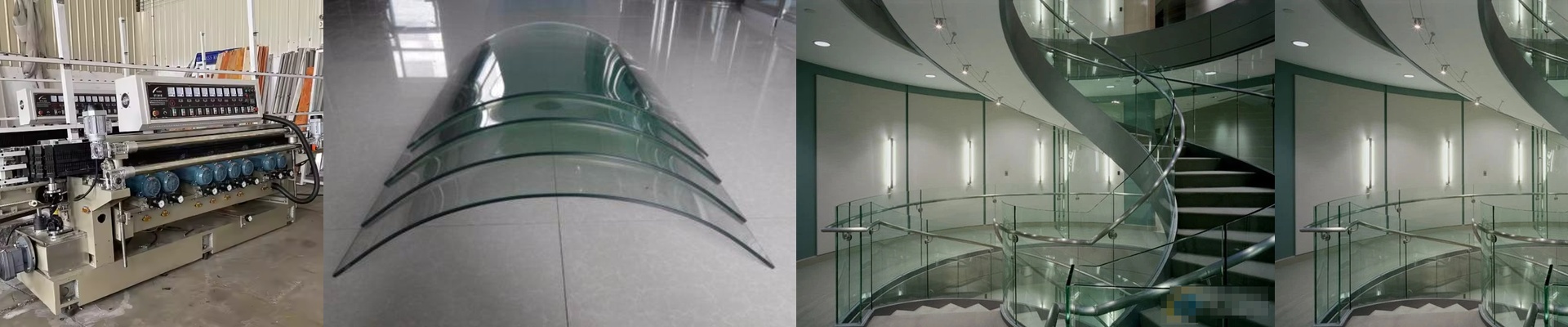

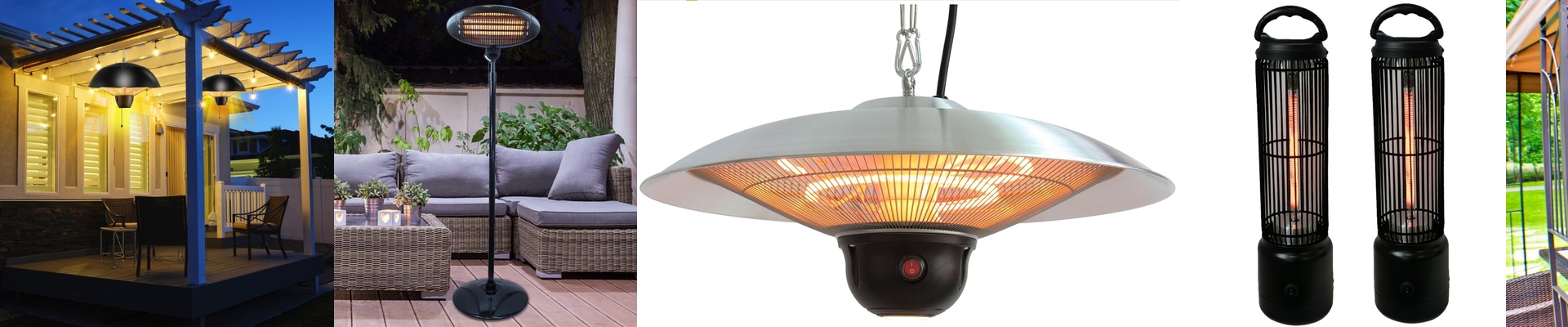
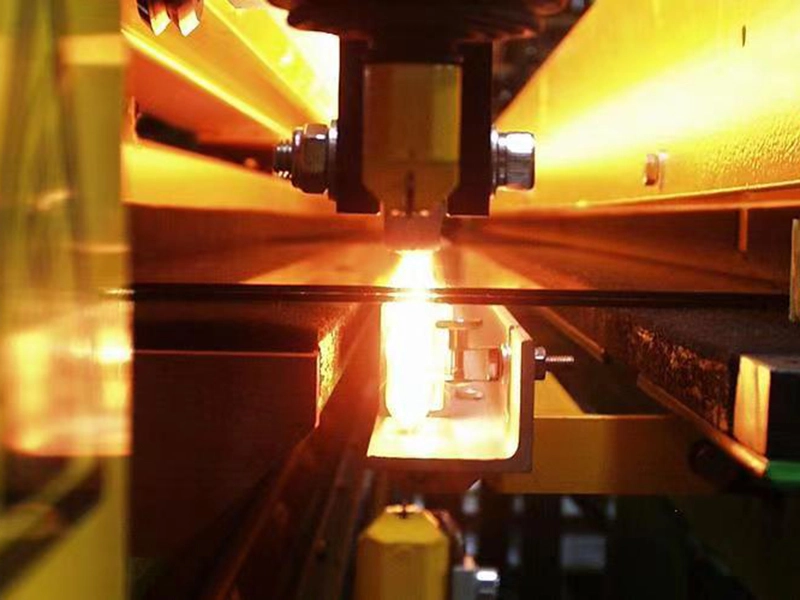
On the glass processing floor, heat isn’t just heat. It’s the difference between a sheet that clears inspection and one that cracks in quench. Between a bend that holds true and one that warps after cooling. When the heating profile misses, you lose yield, you lose time, you lose margin. We built this heating setup to hit that profile—consistently. What matters, technically, is matching the system to your process. Short-wave quartz emitters, medium-wave ceramic elements, or NIR modules—sized to your line. The unit ramps at 10–15°C/s, so you cut cycle time without giving up control. Across the active zone, temperature uniformity stays within ±3°C. That keeps thermal stress predictable and drops warpage. Power density is tuned to 25–45 kW/m²—enough heat flux for fast response without cooking coatings. The controller holds setpoint at ±1°C. The emitter array is engineered for 5,000+ hours at steady output, with less than 5% derating. Why this works on the floor: In tempering, uniform preheat and a controlled soak reduce edge stress and improve optical clarity after quench. In bending, consistent heat across the mold profile keeps the glass draping evenly, so you cut rework. In EVA/SGP/PVB lamination, the rapid ramp and tight uniformity shorten dwell, boost throughput, and lower gas bills. The module drops in as an upgrade on many OEM lines, and the low thermal mass makes changeovers fast. In many plants, energy use drops 10–20% because the system heats on demand and idles clean. Here are a few practical details. The module needs a dedicated power circuit and clean, dry air for cooling—ambient dust and moisture will shorten emitter life. Match voltage and connectors to your existing panel, and confirm clearance around the heating zone. Airflow and distance matter for uniformity. Plan a short commissioning window to tune the profile for your glass thickness and coating stack. Once set, it runs repeatably—fewer stops for adjustment, fewer rejects from temperature drift.