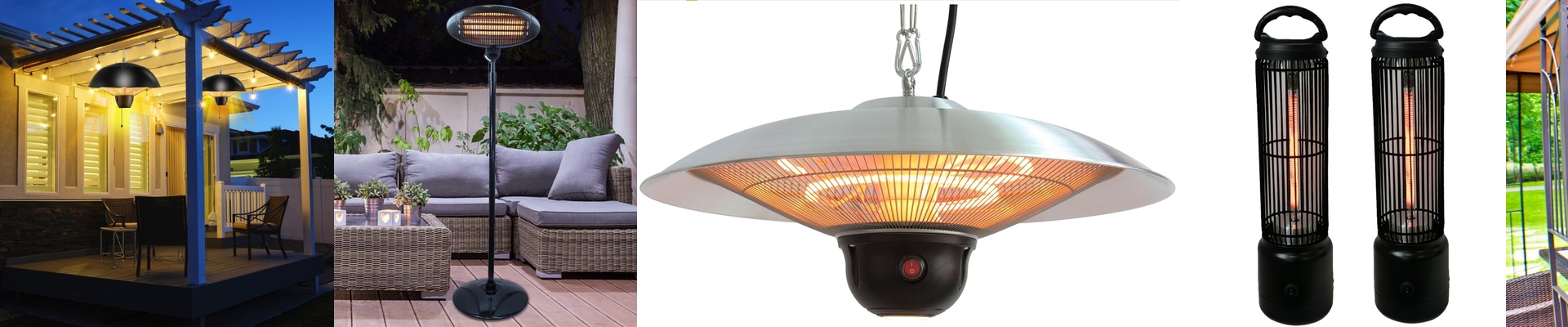
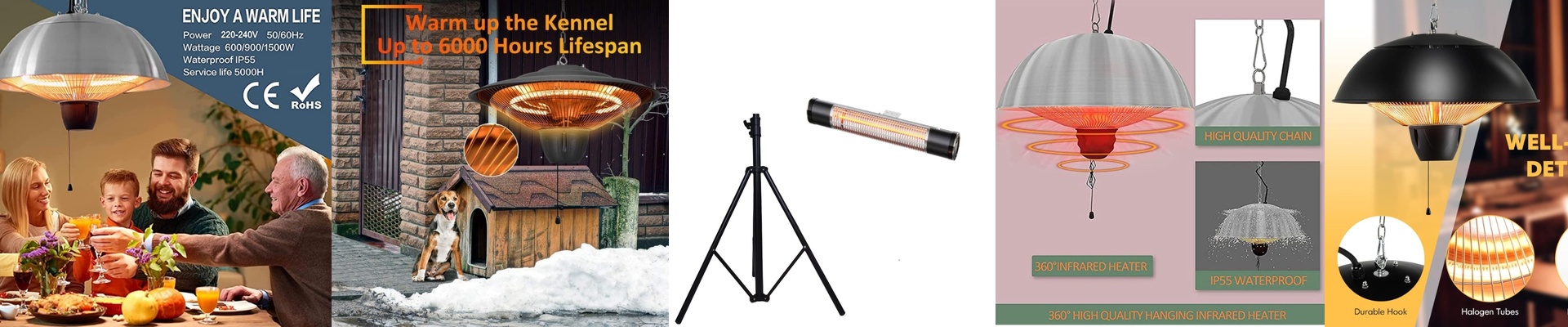
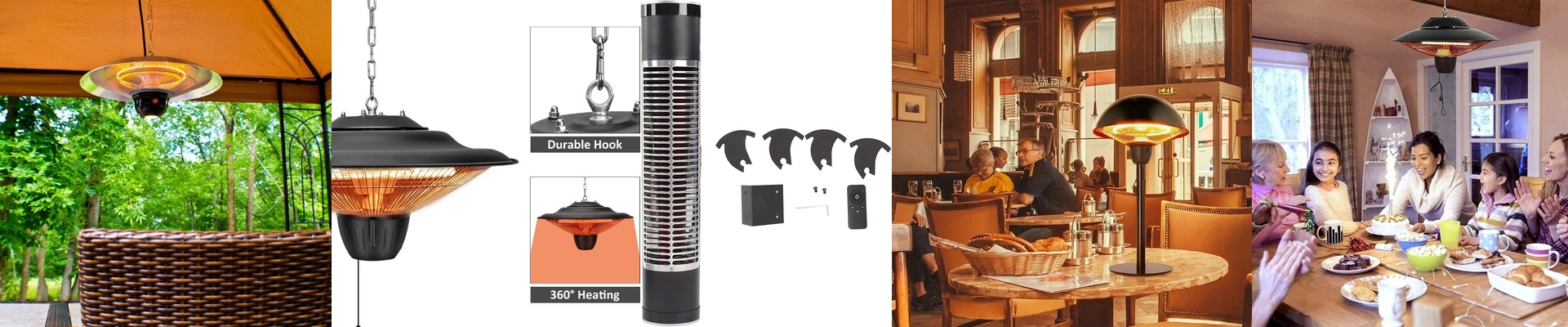
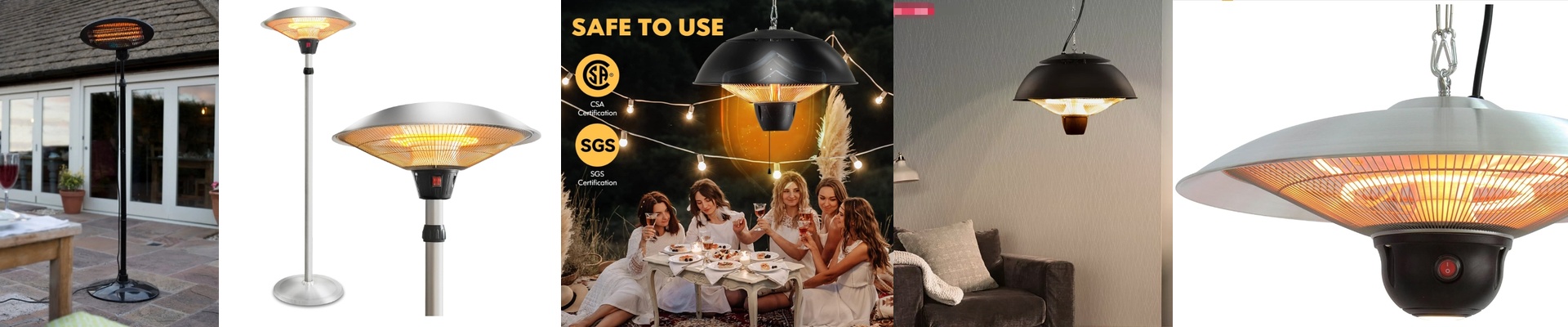
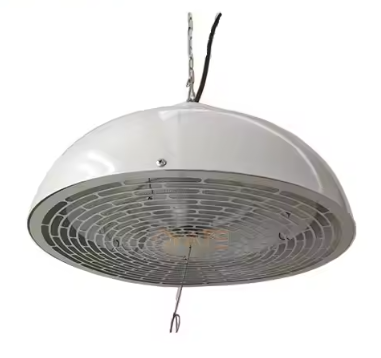
The export market for outdoor comfort is moving fast. Buyers aren’t just looking for warmth anymore—they want safety they can actually stand behind. Infrared heaters with built-in tip-over protection have become the default for patios, courtyards, and semi-open commercial spaces. They deliver heat the moment you need it, and they shut off automatically if the unit gets knocked over. For distributors and agents, that’s the sweet spot: dependable margins and repeat orders. What matters under the hood Infrared warmth doesn’t waste time heating air—it radiates heat directly to people and surfaces. In our models, a carbon fiber or quartz element fires up and throws off radiant heat immediately, while a low-profile, wide-stance base drops the center of gravity. The tip-over protection is a mechanical safety switch: if the heater tilts beyond its normal position, the contact breaks and power cuts out. Pair that with a stable outdoor power connection and an IP rating for weather resistance, and you get quiet, efficient operation—often delivering 80–90% of input power as usable warmth. Why this sells in export In export sales, safety claims have to hold up to scrutiny. Tip-over protection turns a comfort product into a liability-reducing choice for cafés, hotels, and family backyards. Buyers also like the operational payoff: instant heat, no cold drafts, and in many electric regions, lower running cost compared with gas heaters. For you, that translates into a clean story—compliance-ready documentation, straightforward installation, and a product that earns trust the first cool evening it’s used. The practical details that make it work Infrared heat is directional, so placement matters. Aim the unit at seating areas, not open walkways. Tip-over protection adds a real safety margin, but it still needs a level, stable surface. Uneven decks or loose patio tiles can reduce how effectively it works. Plan for firm footing, confirm local voltage and plug requirements, and double-check clearance distances before shipment.