
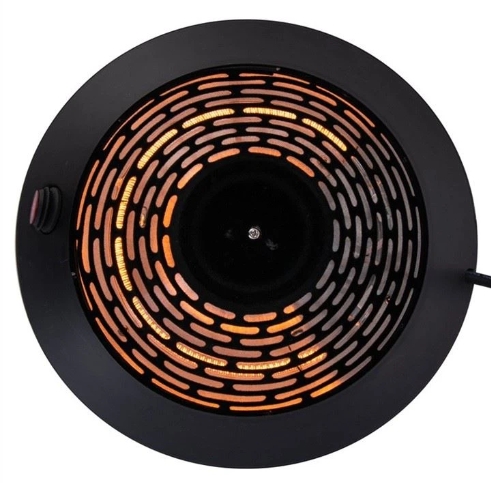
Stop Fighting Bathroom Mold: The Secret is in the Heat
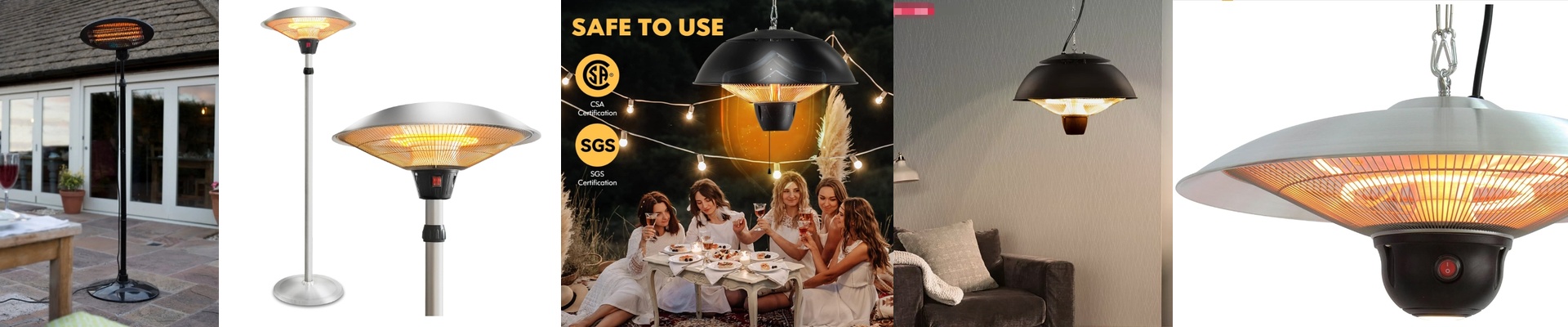
Most people look at those infrared lamps on the ceiling and just think, “Oh, a heater.” But there’s more going on here than just keeping you warm while you’re in a towel. When we put these in a bathroom, we aren’t trying to turn the room into a sauna. We’re actually trying to kill the environment that mold loves.
How it actually works
We use something called shortwave infrared. Now, don’t let the technical name bore you. The simple version is this: while a normal heater just warms up the air, this stuff goes straight for the water. It hits your tiles and grout and forces the moisture to evaporate almost instantly. It happens so fast that the water doesn’t have time to soak into the porous parts of your wall. And here is the golden rule:**No moisture, no mold.**If the surface stays dry, the spores can’t get a grip.
The “Catch” (and how we fix it)
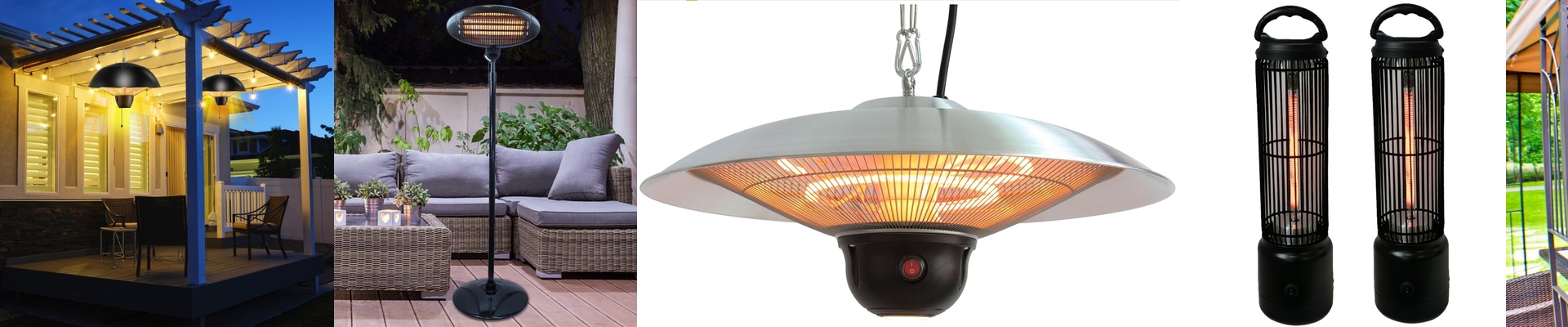
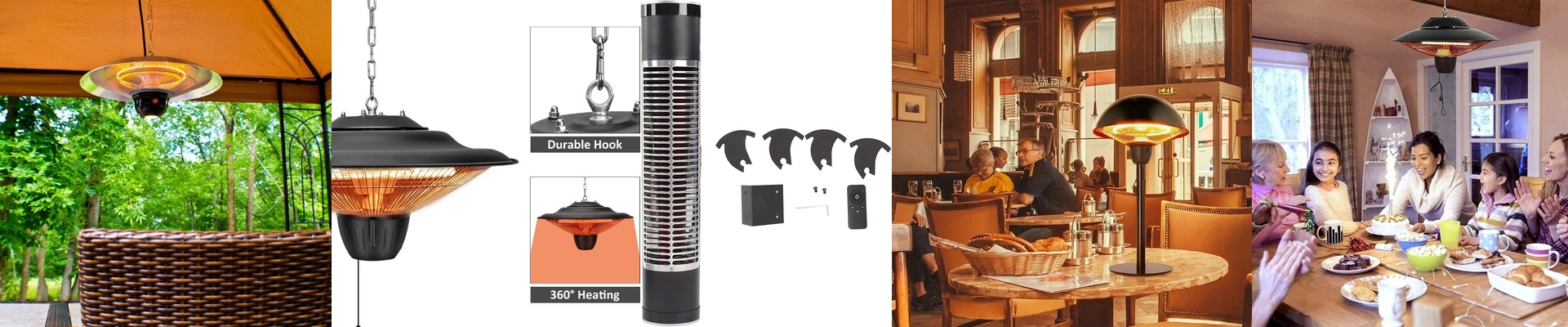
To make this work, we use high-wattage quartz elements. These things get hot—fast. Like, really fast. Because they put out so much heat, we have to use heavy-duty housings. If we used cheap plastic or thin metal, the ceiling mount would just warp. But you can’t just leave these running all day, or you’ll bake yourself alive. We usually wire them into a timer. A quick 15-minute blast right after you shower is all you need to flash-dry the walls and keep things clean.
One last thing…
Here is the honest truth: these lamps aren’t a magic wand. They are great at drying the walls, but they don’t “remove” the humidity from the air—they just move it from the tile back into the room. That’s why you still need a decent exhaust fan. Use the IR lamp to stop the mold from rooting in your grout, and let the fan pull that damp air outside. Together, they actually work.