
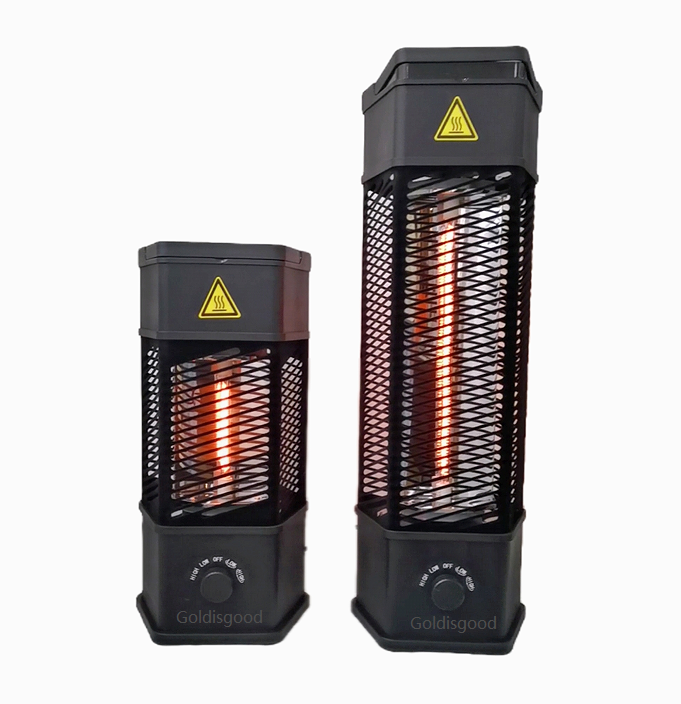
Why we put our bathroom heaters through the “steam chamber”
Putting a high-voltage heater in a bathroom is a bit like inviting a disaster to dinner. You’ve got electricity and steam living in the same small space, and they absolutely hate each other. That’s why we don’t just plug a lamp in and say, “Looks good!” We put every batch through damp-heat aging tests. Basically, we torture the lamps in a humid chamber to simulate years of steamy showers in just a few weeks. The problem with moisture Water vapor is sneaky. It finds every tiny gap. In a real bathroom, condensation settles on the housing and the terminals. If a seal is even slightly off, moisture creeps toward the electrodes. That’s when things get messy. Electricity can start jumping across the insulator—we call it tracking—and that’s how you end up with a short circuit or a dead bulb. We use our aging chambers to force this to happen fast, pushing the lamps until they either hold up or give up. Testing the “pop” factor We use a specific kind of quartz glass because the temperature swings are brutal. One second it’s cold, and the next, it’s hundreds of degrees. If there’s a tiny micro-fracture in the glass or the seal isn’t airtight, those heat-and-humidity cycles will eventually pop the tube. We also keep a close eye on the connector pins for any signs of rust or oxidation. If a lamp fails here, it’s a clear sign it wouldn’t have survived a real-world shower. A quick heads-up on installation Here’s the thing: no seal lasts forever. Our tests make sure the lamp won’t quit on you in the first few years, but you’ve still got a part to play. Make sure your fixture has some breathing room. If you trap the lamp in a totally airtight box without a vent, the heat builds up and eats through the seals way faster than any lab test could predict. We build the hardware to take a beating, but how you install it is what really decides how long it lasts.