
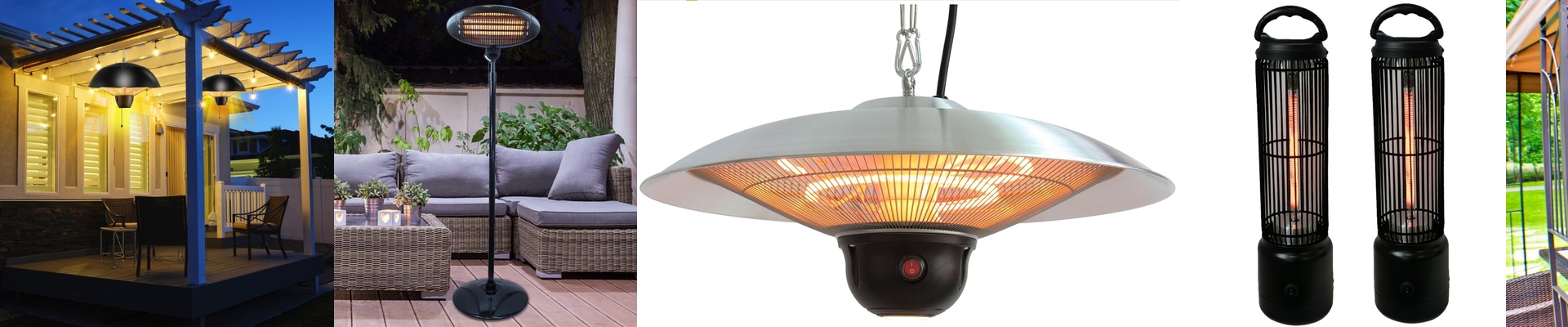
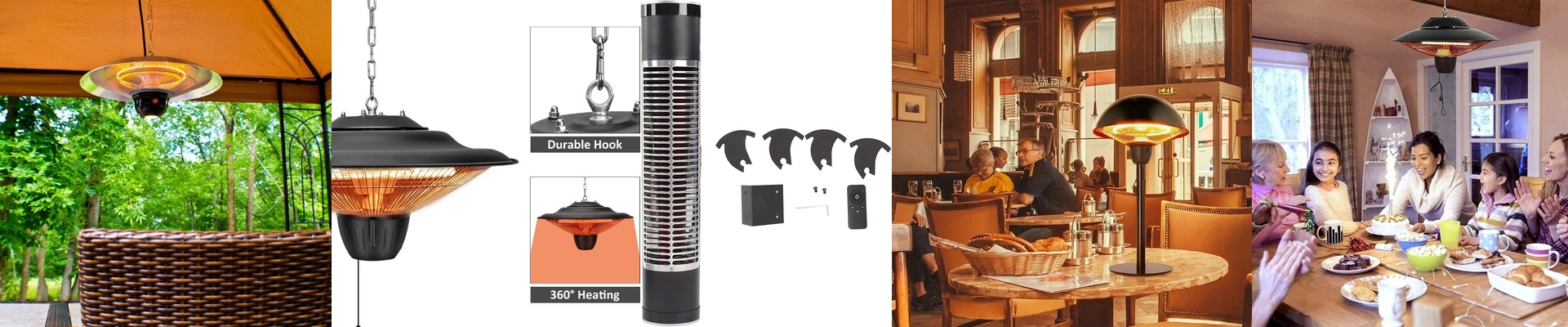
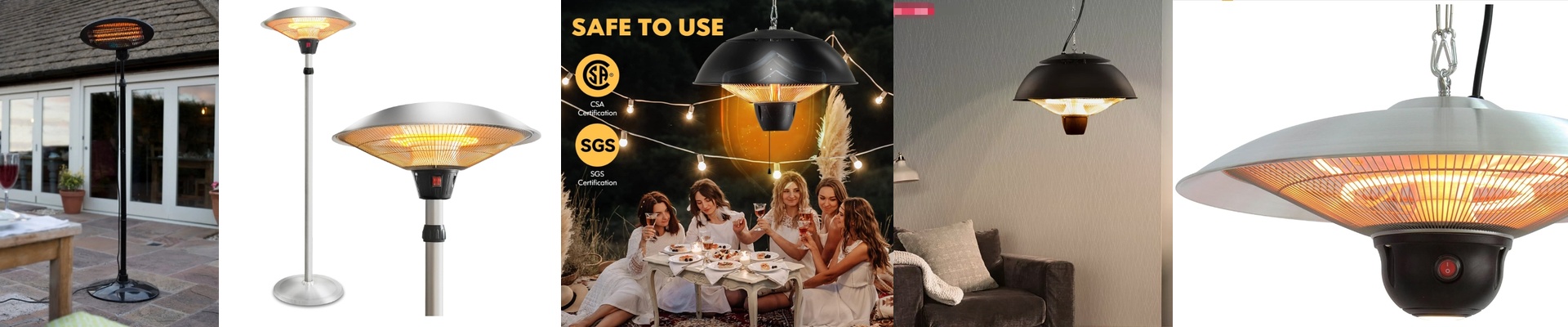
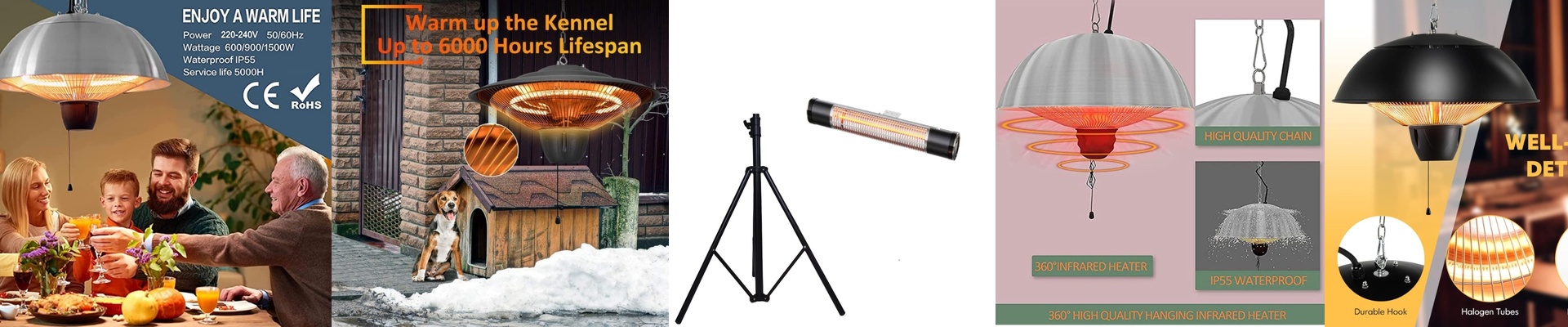
A cold front hits, and you’re stuck waiting on a heater to catch up. Hands in your pockets, eyes on the clock—comfort feels like it’s always a few minutes away. That’s where an infrared heater with tip-over protection earns its keep. Flip it on, and you get usable warmth almost right away, without the lag you get from conventional convection systems.
What matters, technically
Infrared heaters work by putting out radiant heat—energy that travels outward and warms people and objects first. Whether it’s a carbon fiber element or a quartz tube, the system hits its thermal balance in seconds, so you feel the heat the moment you hit the switch. This isn’t about heating the air; it’s about directional warmth aimed where you need it. On safety, tip-over protection is straightforward and mechanical. If the unit gets knocked over, an internal switch cuts power to the heating element to help prevent accidental overheating. For outdoor use, look for a housing that’s rated for the conditions and a base that’s wide and stable. Many models add an adjustable thermostat and multiple heat settings, so you can match the output to how much bite the day has without overshooting.
Why this approach works
When a cold snap rolls in, speed is the win. With fast thermal response, you skip the long warm-up and that deep, bone-level chill that hangs around while you wait. On a covered patio, in a workshop, or inside a three-season room, infrared warmth feels immediate and even. Your hands and face warm first, and the surrounding surfaces don’t feel as drafty. You end up with steadier comfort and fewer temperature swings, which means you can enjoy time outside without bundling up so much you can barely move. Because the heat is focused, you can run the unit more efficiently than an open radiator—keep the area cozy while using only what’s needed.
The details you’ll thank yourself for later
Infrared heaters perform best when the path is clear. Keep the front unobstructed and position the unit so it can “see” the seating area. They’re designed for dry, sheltered spaces—check the IP rating and keep the heater out of direct rain. For safety, always place the unit on a level surface. If kids or pets are in the mix, choose a model with a low-heat outer frame and a dependable tip-over switch. Plug it into a dedicated outlet when you can, and avoid undersized extension cords—those can cause voltage drop and heat buildup at the connection.