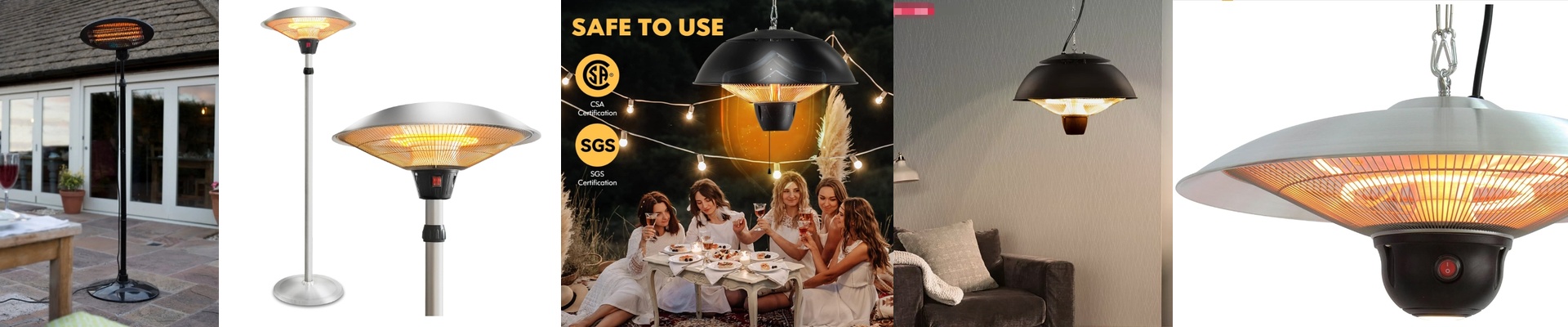
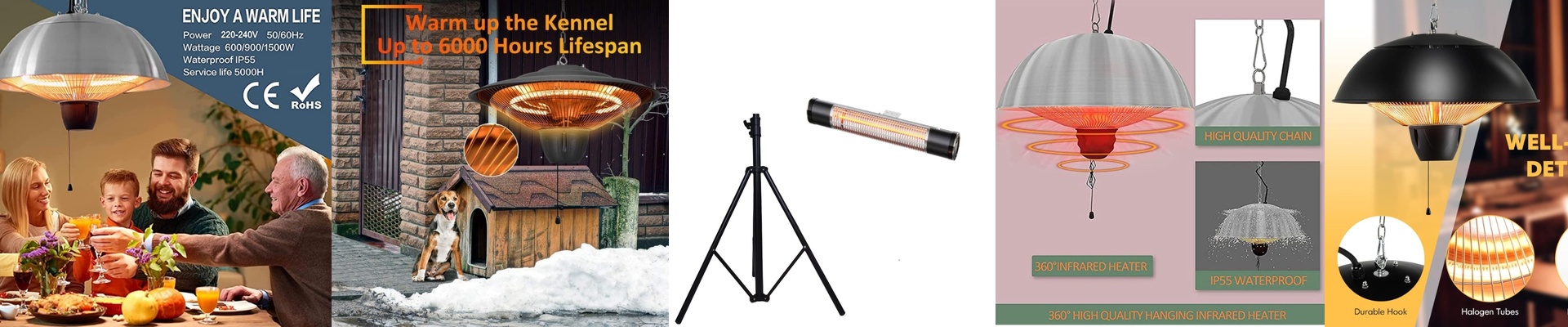
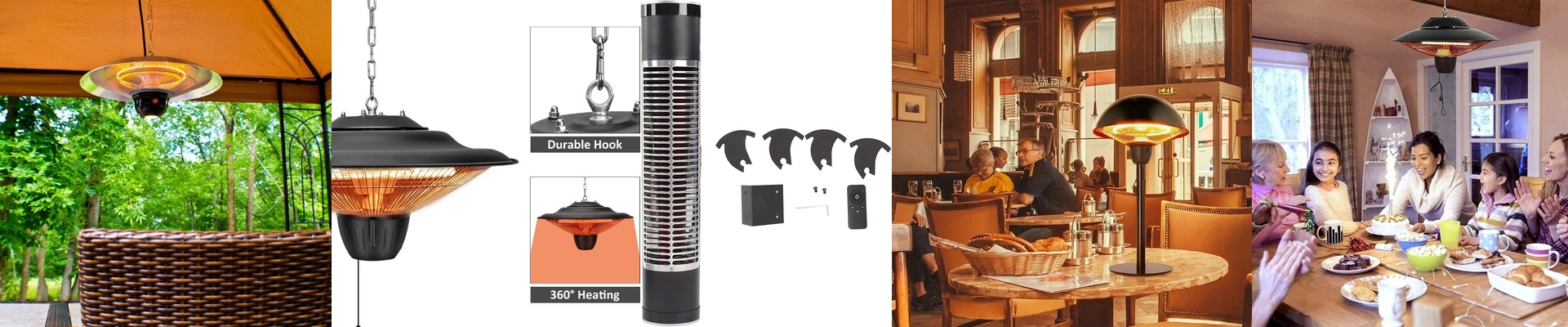
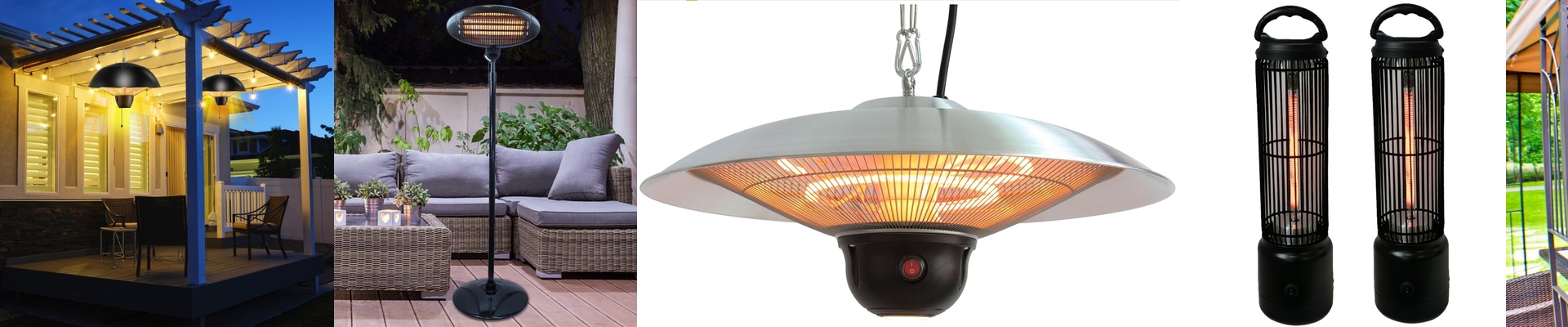
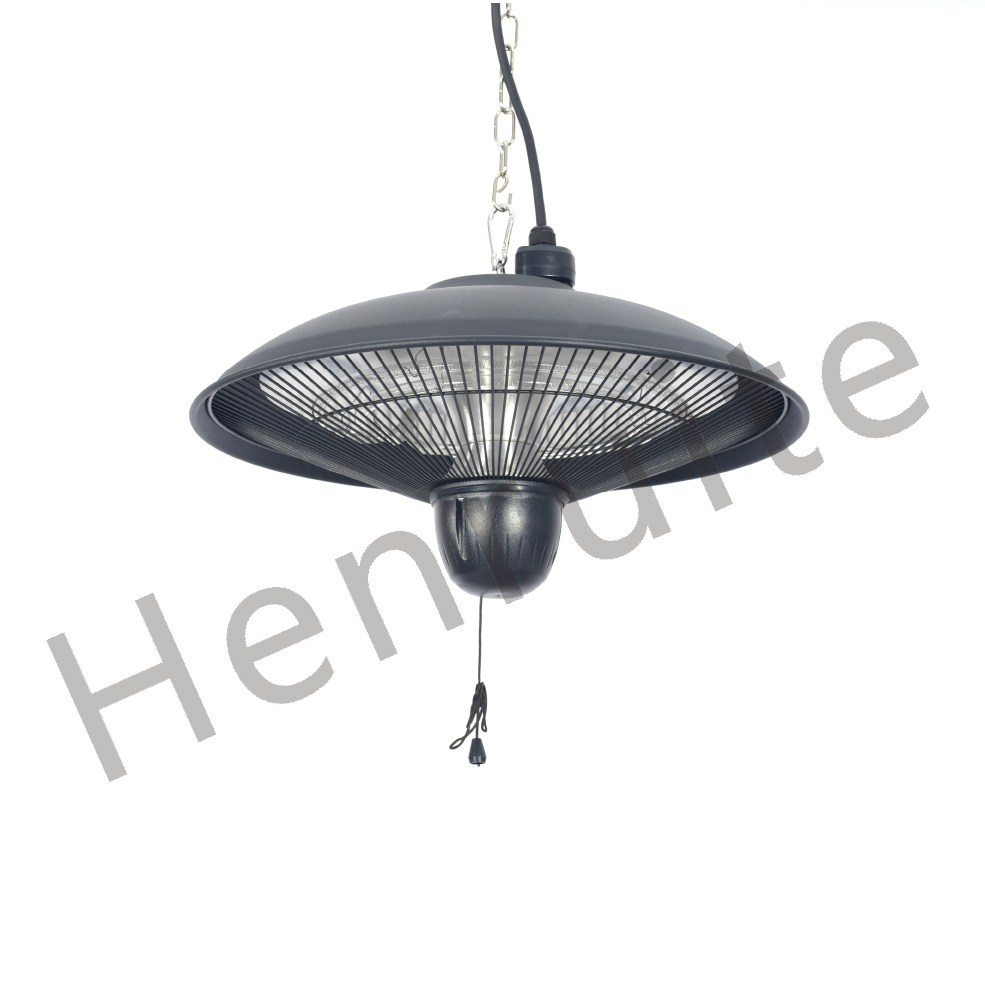
On the workshop floor, comfort isn’t a perk—it’s what keeps hands steady, breaks short, and work flowing. When the air bites, a heater that hogs power can trip breakers and run up costs. One that can’t keep up leaves people huddled and slow. We built a low-wattage electric heater to deliver steady warmth without heavy electrical demand, so focus stays on output, quality, and a space that’s actually livable. What’s going on under the hood This is a low-wattage electric heater that uses infrared radiant heat. It warms people and nearby surfaces directly, instead of trying to heat all the air. That means targeted comfort that shows up fast. We pair an efficient emitter—either a quartz tube or a carbon fiber element—with a tight reflector to throw the heat where you need it. It typically runs 400–800W and plugs into standard outlets, so you can put it where it helps most without rewiring. A built-in thermostat keeps output steady, and you get safety basics as standard: tip-over protection and overheat cut-off. For outdoor use, make sure the IP rating matches the conditions. Why it fits production and storage The big win is control. You get warmth where people stand, without cooking the whole room. Lower wattage means less draw per circuit—handy when power is tight. The heat arrives quickly, so downtime between tasks shrinks. And because we control the supply chain, from components to final assembly, we can offer aggressive wholesale pricing and pass real savings to partners. That’s the supply-chain advantage: dependable heating equipment that supports competitive pricing, without cutting corners on safety or performance. The practical details that matter Infrared warmth works best with a clear line of sight to the people or objects you want to warm. Drafts and open doors will cut into comfort. Match wattage to the area and mount height, and confirm the outlet and circuit can handle the load. In very damp conditions, choose a model rated for the environment. This is direct, focused heat. Place it so it works with your workflow, not against it.