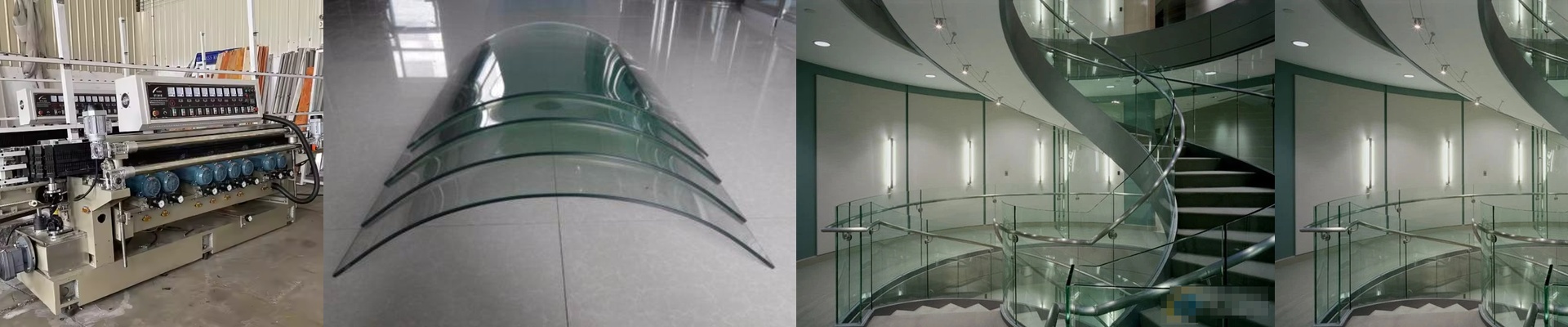
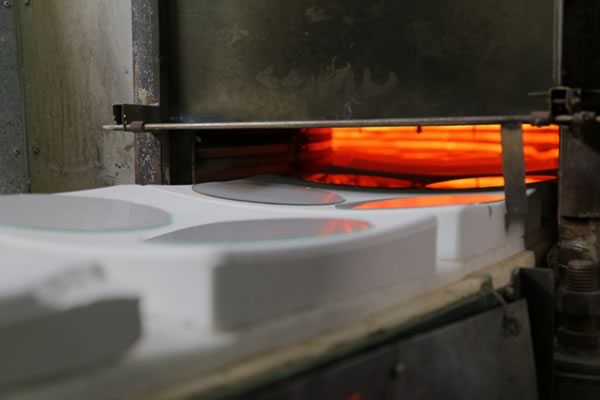
Out on the line, glass has zero patience for uneven heat. A cold spot during tempering, a hot edge while bending, or a temperature dip in lamination can push the sheet right past its thermal stress limit. You know what follows: breakage, warp, optical distortion—and scrap that drags down yield and margin. Ceramic infrared heaters cut that problem off at the pass by delivering a stable, even thermal field that tracks the glass surface geometry and keeps pace with the cycle demands of glass processing. What actually matters under the hood Ceramic infrared heaters run on medium-wave output with high emissivity, dumping energy straight into the glass and coatings without leaning on convection. That direct coupling cuts the lag between setpoint and surface temperature, so ramp-up is faster and the dwell stays steady. The heater face holds consistent radiant intensity across the width, which keeps lateral gradients from building up and triggering thermal stress and edge effects. The specs are plain-vanilla: solid quartz-ceramic elements, predictable power density, and mounting setups built for retrofit. In real life, that translates to tighter control over the heating curve, less drift between cycles, and repeatable results shift after shift. Glass work—tempering, bending, lamination, coating drying, and insulating glass sealing—needs heat that follows the sheet, not the air in the bay. When the heat lands evenly, you avoid localized expansion and keep optical quality consistent, which knocks down rejects tied to warp and distortion. You can stabilize faster, too, so throughput rises without pushing the glass into thermal shock. Energy use drops because the heater targets the glass directly and holds temperature with less overshoot. If your plant runs a lot of different products, the stable thermal profile makes changeovers cleaner and keeps rework off the floor. Installation is straightforward, but alignment is the make-or-break detail. The heater face has to run parallel to the glass path so the radiant field stays even. Stick to the machine’s clearance and cooling envelope; if airflow gets pinched, element life takes a hit. Match the electrical service and control strategy to how the heater responds—SCR or solid-state controls help keep output steady when line speeds vary. Expect a short warm-up after a cold start, and plan maintenance around quartz-ceramic inspection intervals so performance stays consistent.