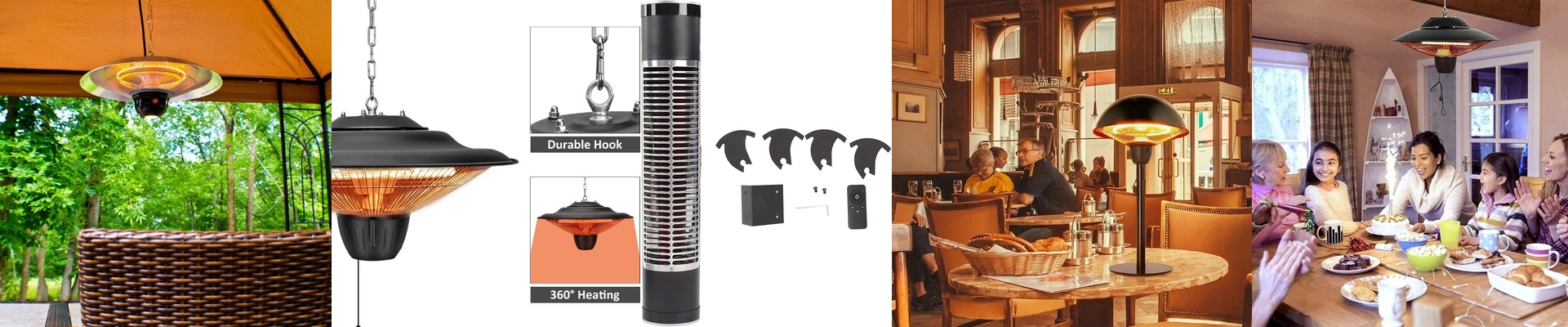

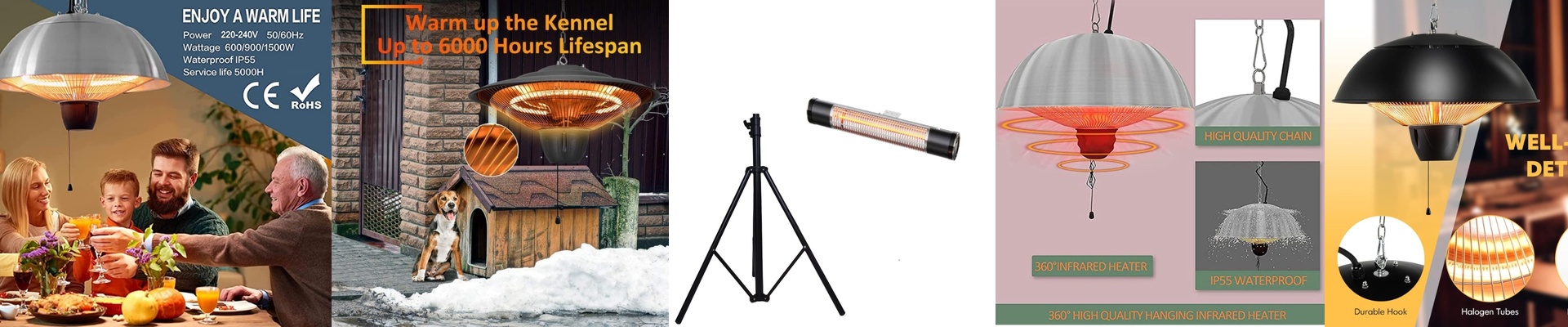
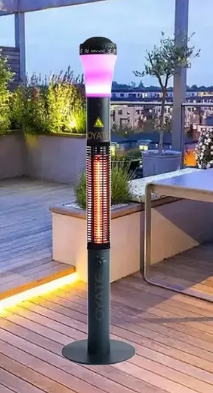
You know the drill: the electric bill climbs while you wait for a traditional oil-filled radiator to finally warm the room. It works hard, but it costs even harder. The issue isn’t just the wattage; it’s how the heat is delivered. Infrared warmth flips the script by warming people and surfaces directly, not the air. In side-by-side use, a smart electric infrared heater can deliver the same comfortable body-warmth while drawing significantly less power—often 30-50% less than a comparable electric oil-filled unit—because it sidesteps the long warm-up and steady heat loss of convection.
What matters under the hood
We built our smart electric heater around a carbon fiber infrared element that produces gentle, directional radiant heat, paired with an integrated thermostat and smart controls. The result is targeted warmth that comes on fast, settles at the set point, and then holds steady. In practice, you get heat in seconds instead of waiting minutes, and the thermostat prevents the constant cycling that pushes energy use higher. For indoor use, it stays quiet and clean—no fan noise, no oil to manage.
Why it works in the real world
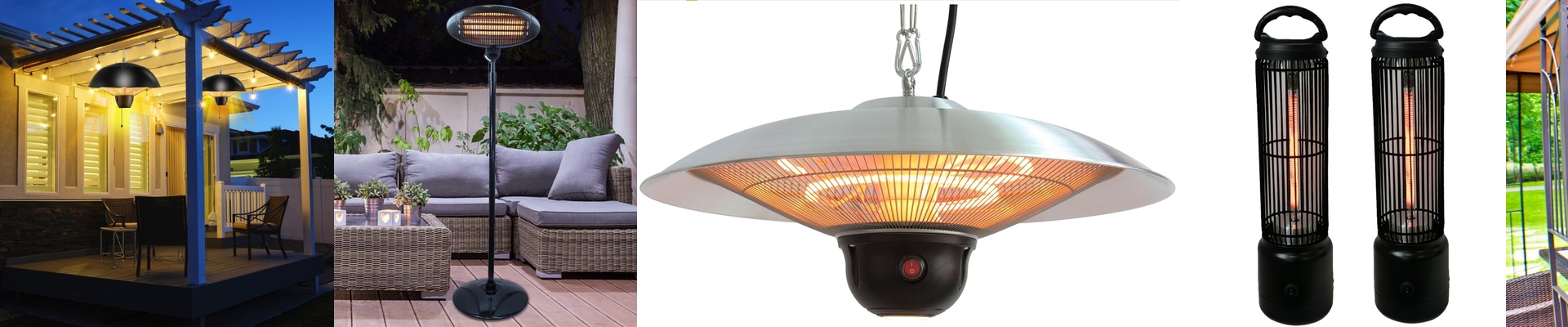
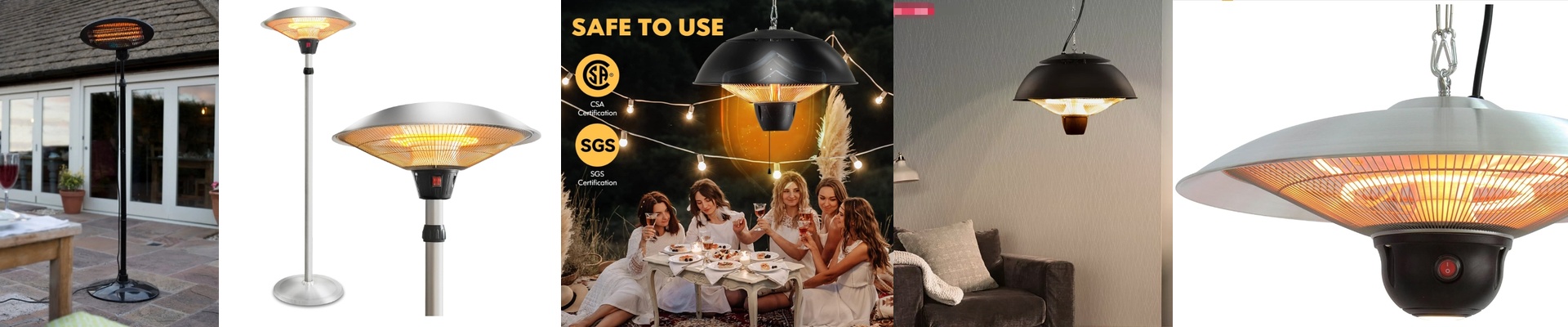
When you want comfort without the sticker shock, infrared shines. You feel the warmth almost immediately, and the steady radiant heat helps keep your body temperature more even—no more cold feet while the air slowly warms up. That direct comfort means you can often run the heater at a lower overall energy draw and still feel just as cozy, which shows up as lower monthly bills. For homeowners who want outdoor living spaces to stay usable longer, the same principle makes the heater feel more responsive than many patio heaters, because it warms people directly instead of trying to heat the whole night air.
The practical details
Infrared heat is most effective when it has a clear line of sight to the people and surfaces you want to warm, so placement matters. It also performs best in sheltered areas; wind cuts into perceived warmth, which is why we rate units for covered outdoor use and recommend positioning away from drafts. For indoor use, the heater works best in the room you’re in, so you can set it to maintain comfort where it counts. Always follow the clearance requirements and use a properly rated outlet—smart features and fast heat are only as reliable as the circuit they run on.