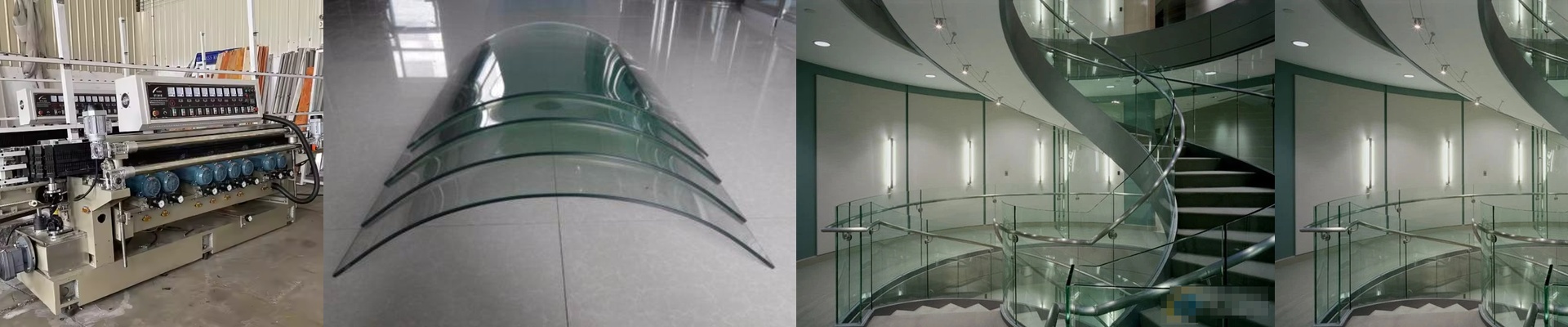
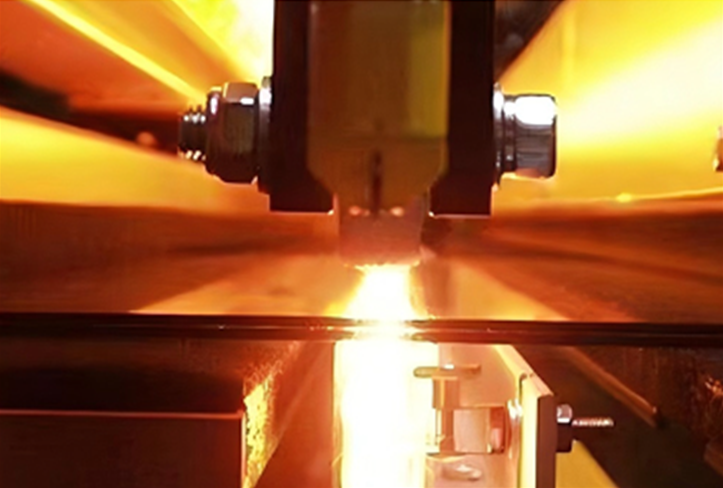
On the line, heat isn’t just heat. It’s the difference between a pane that clears inspection and one that comes back as scrap after tempering, bending, or lamination. When thermal uniformity starts to drift, you’re staring down optical distortion, thermal stress fractures, and margins that vanish with every reject. We built custom quartz heater setups to put control back where it belongs—right at the glass surface and inside the heating zone. What matters, technically Quartz heating gives you fast response and strong radiant efficiency, with output tuned to match how glass and coatings absorb energy. Our custom modules are engineered for stable power density, repeatable temperature profiles, and consistent emissivity across the active face. Specs are matched to the line: voltage and wattage aligned to the oven load, element geometry mapped to the glass shape, and mounting and termination laid out for the machine footprint. The payoff is a thermal field that heats quickly, holds setpoint, and keeps overshoot off the curve. In tempering, uniform heating lowers edge stress and keeps bow and warp within tolerance. In bending, predictable heat distribution means repeatable sag profiles and fewer optical defects. In lamination and coating drying, controlled ramp-up and dwell prevent bubbles, hazing, and adhesion issues—so you shorten cycle time without talking quality down. Energy use drops because the heat goes where it needs to, and downtime drops because the heaters are matched to the process and the equipment. Here’s the thing: custom quartz heaters aren’t plug-and-play across every machine. Clearances, airflow, and reflector geometry have to be checked against what’s already in the oven. If you’re running high humidity or dirty air streams, element life will take a hit. Plan clean air routing and build in routine inspection. Work with us on exact dimensions, voltage, and control interface, and the module drops in as a purpose-built fit—no compromise, no guesswork.