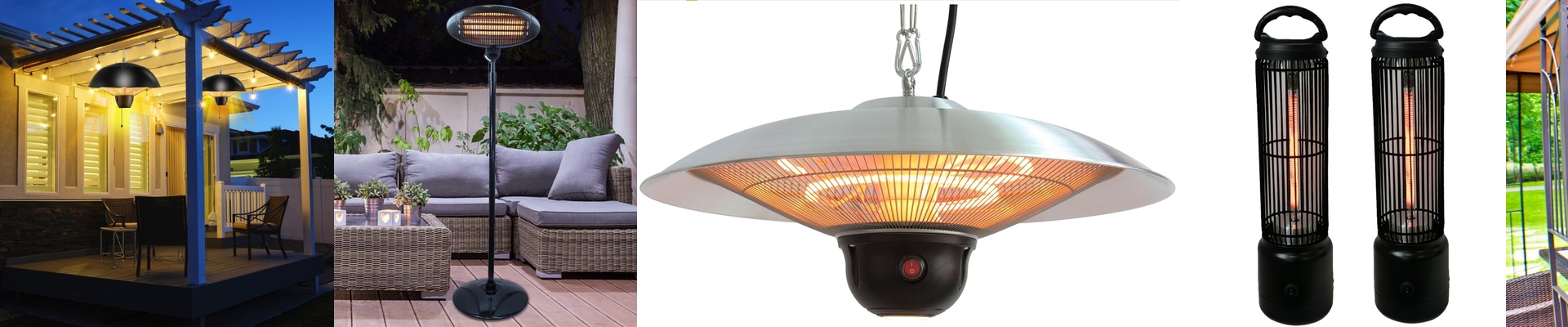
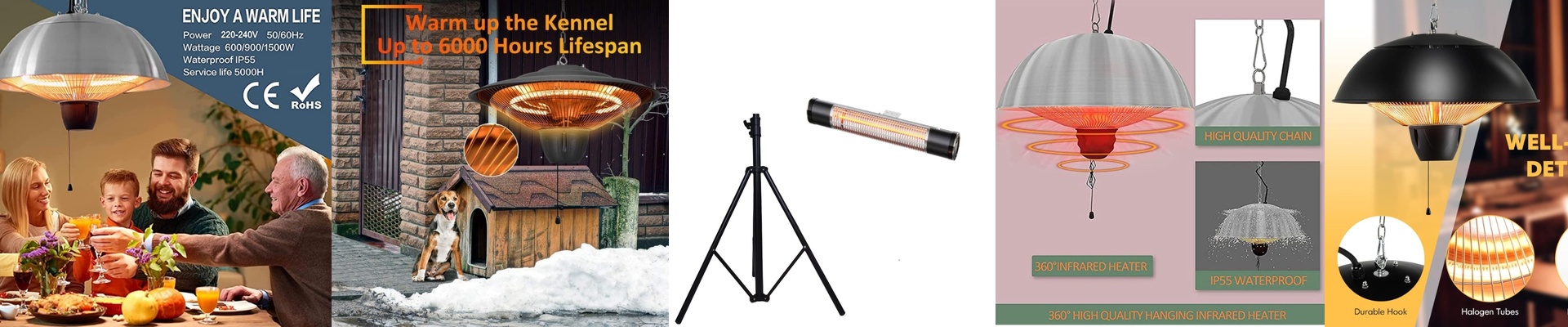
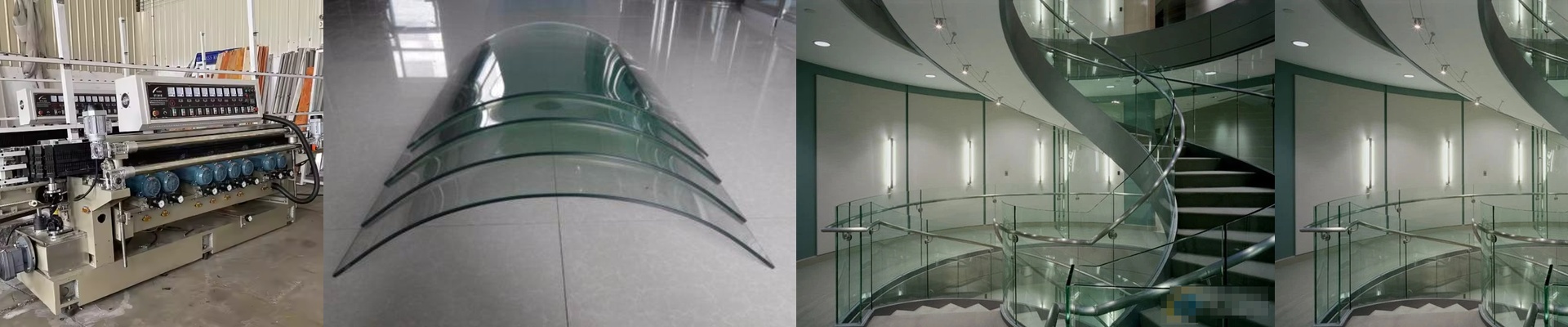
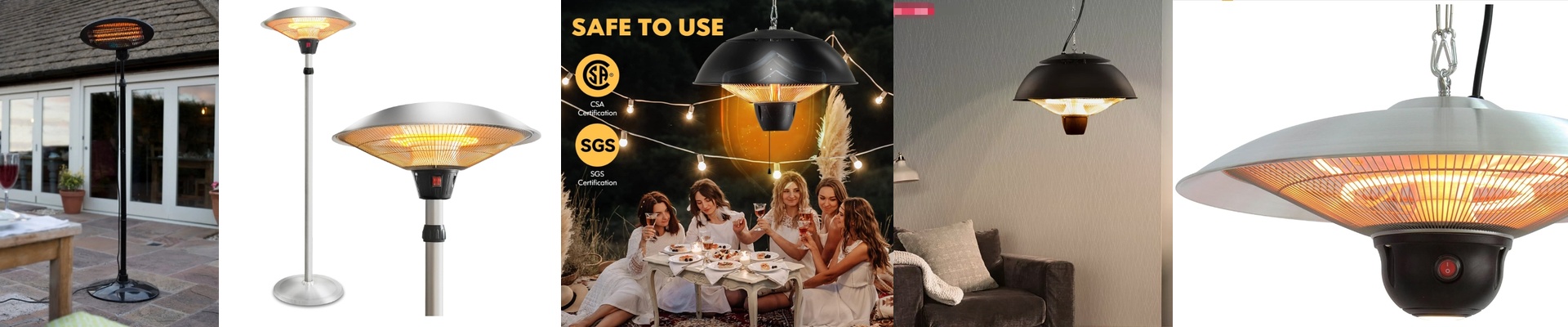

On the lamp line, the heat step is where yield and quality get made or broken. A heat profile that’s even a little off will crack quartz sleeves, leave you with uneven annealing, and bring the whole line to a crawl. We set up these quartz glass sleeve heaters to take the variability out of the equation, so you get repeatable thermal control that keeps things moving. What matters under the hood Inside the high-purity quartz sleeve, we run short-wave infrared elements. They respond fast and lay down a stable thermal field with low convection loss. The geometry is chosen to keep emissivity uniform across the lamp sleeve, so you don’t get hot spots that drive thermal stress. Rated for industrial voltages, the heaters deliver predictable power density, whether you’re running small lots or pushing a high-throughput line. Why this plays well on the floor In lamp assembly, the sleeve has to hit setpoint quickly and hold it without drift. These heaters cut cycle time by shaving warm-up lag, and the even heat spread reduces scrap from stress fractures. You also save energy because the system heats on demand and holds temperature with minimal overshoot. For line managers, that means fewer rejects, steady throughput, and a lower operating cost per unit. A few shop-floor reminders Mounting tolerance matters. Set the sleeve clearance to spec — misalignment gives you localized contact and uneven heating. Keep the operating environment dry and clean; contaminants on the quartz surface will skew emissivity and throw temperature stability off. The heater works with most standard lamp processing fixtures, but before swapping units, double-check voltage and terminal configuration so you don’t end up with mismatched connections.