Stop Letting Your Patio Go to Waste This Winter
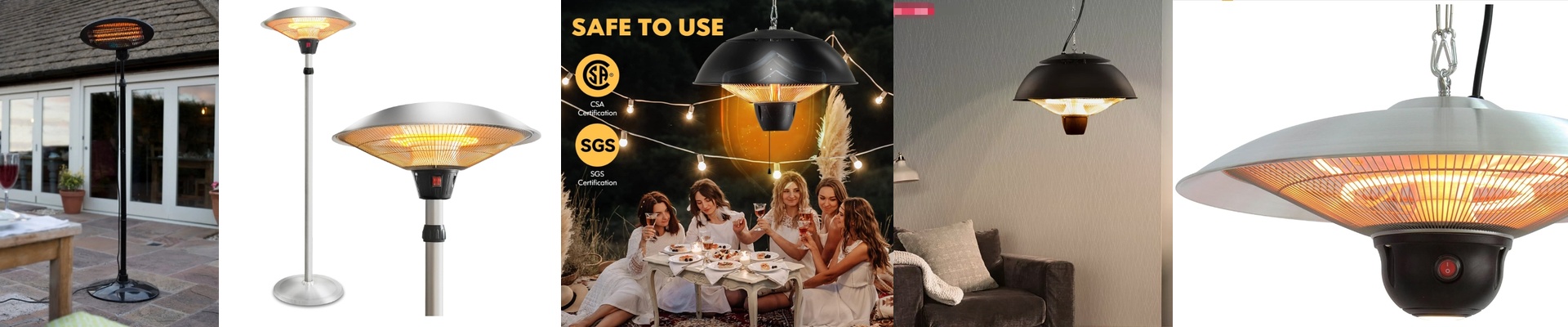
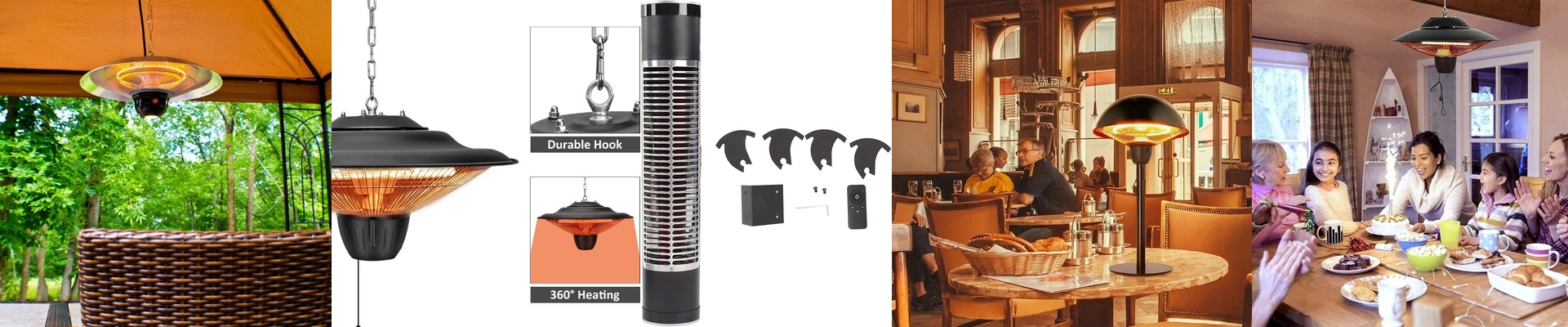
It’s a frustrating sight: a beautiful outdoor dining area just sitting there, empty, because it’s too cold for anyone to actually sit in. Most people try to fix this with standard heaters, but those just try to warm up the air. The problem? The wind just blows that warmth away. We do things differently. We use shortwave infrared heaters. Instead of fighting the breeze, these radiate heat directly onto your guests. It’s like sitting in a patch of sunlight on a crisp autumn day.
Why the “IP65” Stuff Actually Matters
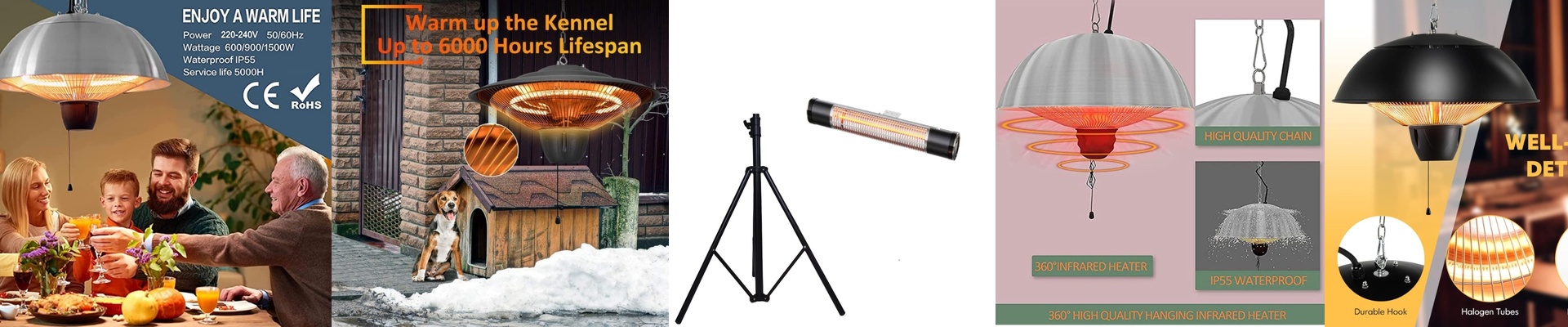
You’ve probably seen “IP65” on the spec sheet. In plain English, it just means the heater is built to survive the elements. Rain, snow, and dust are basically death sentences for cheap electronics. These units have tight seals that keep the guts of the heater dry. No moisture in the terminals means no short circuits and no expensive replacements halfway through January. It just works. And because it’s shortwave tech, there’s no waiting around. You don’t have to turn them on two hours before opening to “warm up the patio.” The second a customer sits down, they feel it. That’s the difference between a guest ordering one drink and leaving, or staying for a full three-course meal.
A Few Tips on Setup
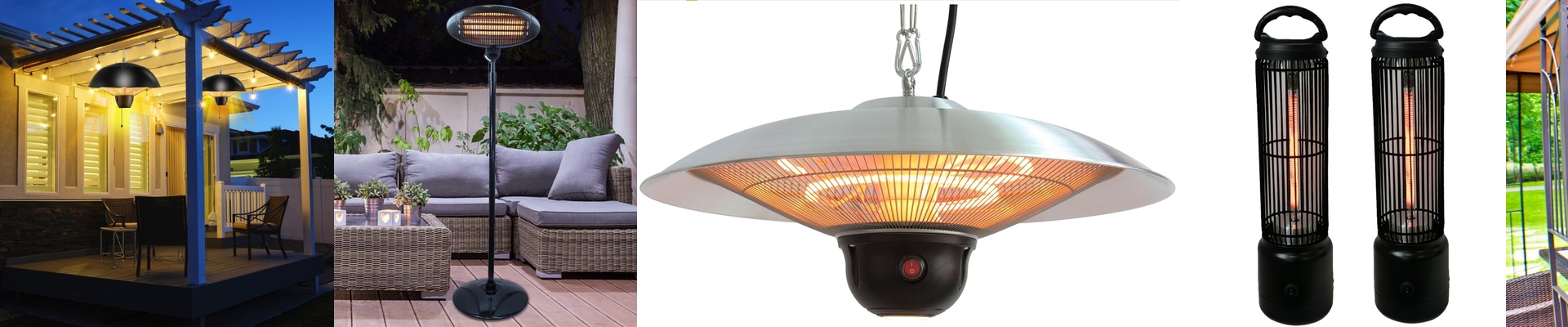
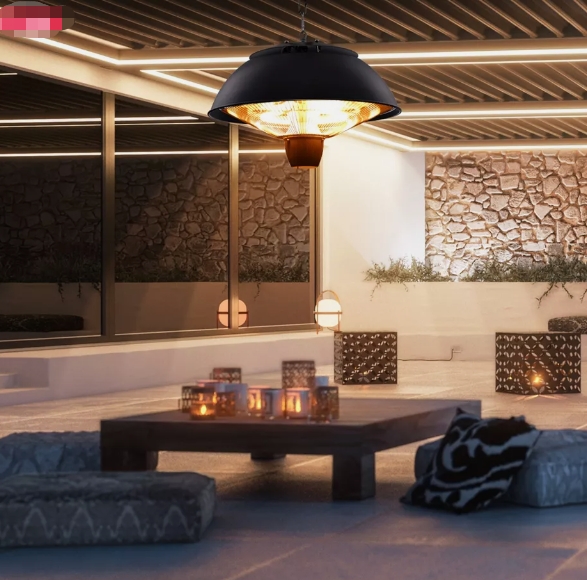
Before you start drilling holes, take a look at your electrical panel. These lamps pull a lot of power. If you’re putting up a row of six 2000W heaters, you can’t just plug them into a couple of old outlets. You’ll need to make sure your breakers can handle the load, or you’ll be staring at a dark patio right in the middle of the dinner rush. Also, get the height right. Aim for about 2.5 to 3 meters. If you hang them too low, your guests will have toasted heads and freezing toes. Too high, and the heat disappears before it ever reaches the table. There’s a sweet spot—find it.
The Bottom Line
At the end of the day, this is about making your space work harder for you. When you can actually use your outdoor square footage in the winter, you stop losing money to the seasons. The gear pays for itself pretty quickly just by filling seats that would otherwise be empty. Just get your wiring sorted first, and you’re good to go.