Getting Your Bathroom Heat Right
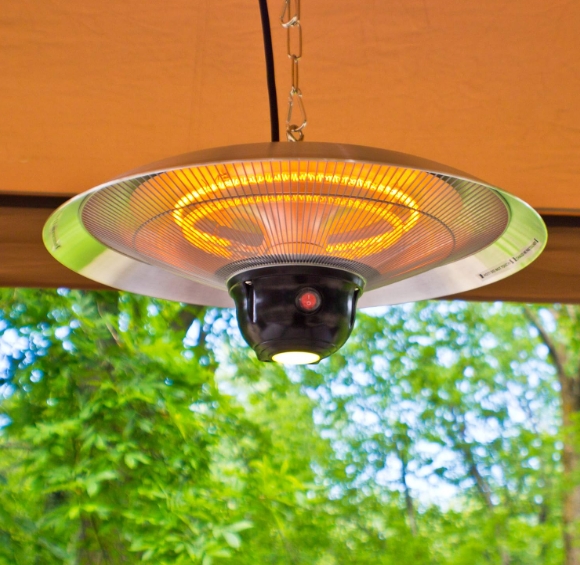
Nobody likes stepping out of a hot shower into a freezing bathroom. It’s a shock to the system. But if you’re picking out infrared lamps, you can’t just grab the most powerful one on the shelf and hope for the best. You’ve got to match the wattage to the actual size of your room, or you’re just throwing money away. We stick with short-wave infrared for a reason. It doesn’t waste time trying to warm up the air—which is basically a lost cause in a room with a vent fan and steam everywhere. Instead, it hits you and the surfaces around you directly. It’s that instant, cozy warmth you feel the second you flip the switch. Picking the right power Here’s the thing: a tiny powder room and a massive master bath need totally different setups. If you’re dealing with a small space (under 4 square meters), a 250W to 400W lamp is usually plenty to keep you from shivering. But if you’ve got a big master suite, you’ll want something in the 600W to 1000W range. You might even want to scatter a few smaller lamps around so you don’t end up with “cold spots” in the corners. Just be careful. Putting a 1000W beast in a tiny stall is a bad move. It’ll overheat, burn out the element way faster, and probably trip your safety switches. The nitty-gritty on installation Bathrooms are wet, steamy places. That’s why the IP rating is the first thing you should look at—it’s what keeps the electricity and the water from becoming unwelcome roommates. We use quartz glass for the lamps because it can handle the “thermal shock” of turning on and off quickly without cracking. Also, a quick tip on wiring: use heat-resistant cables. Standard PVC can actually melt at the connection points if you’re running a high-wattage tube. Not a great look. Finding the balance It’s tempting to go for maximum wattage to get heat faster, but your electrical circuit has limits. If you cram three 800W lamps onto a single 15A circuit that’s already powering a ventilation fan, you’re going to be tripping your breaker constantly. It’s a pain. The trick is to balance the heat you want with the power you actually have. Keep the setup lean, and just focus the heat exactly where you’ll be standing.