
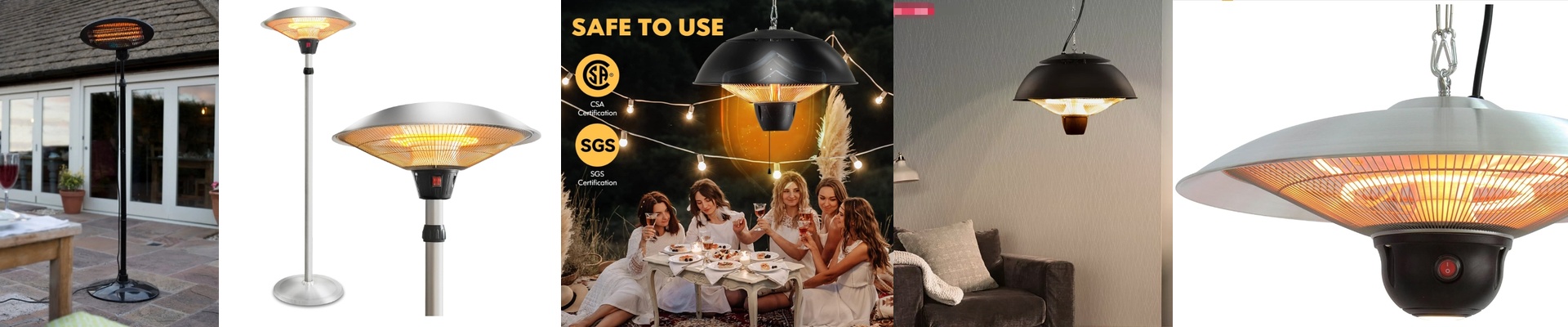
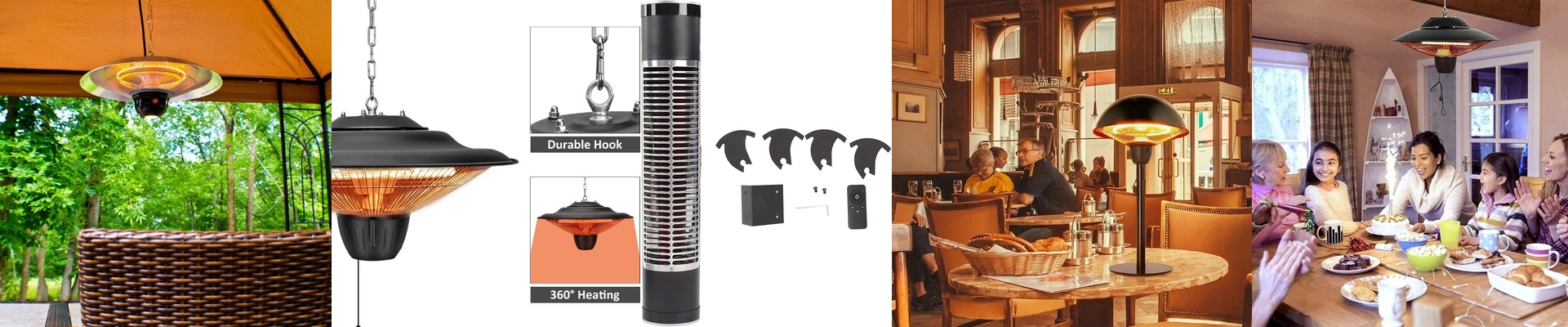
Stepping out of the shower only to get hit with a cold rush of air? Been there. Old-school heat lamps take forever to warm up, and even then the heat feels patchy. That’s why more bathrooms are ditching basic bulbs for high-waterproof-grade infrared heaters.
What matters, technically
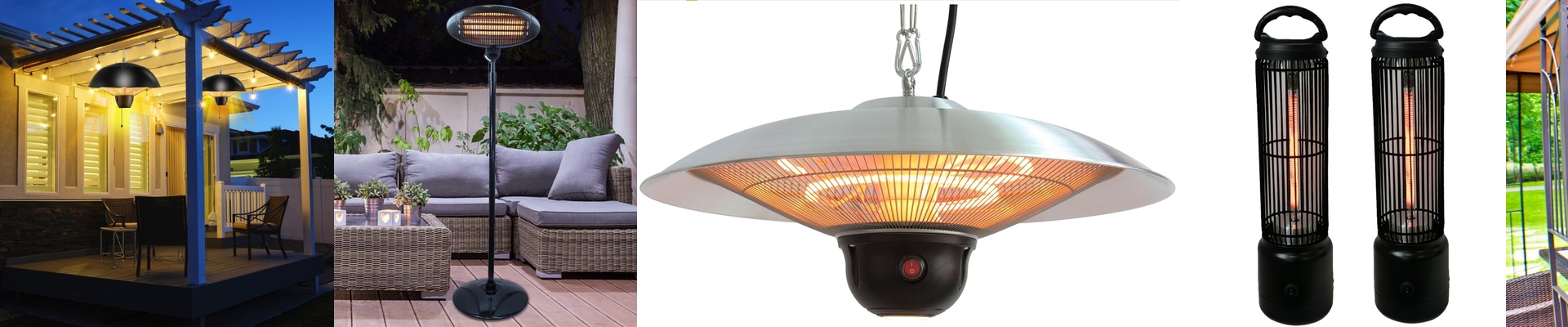
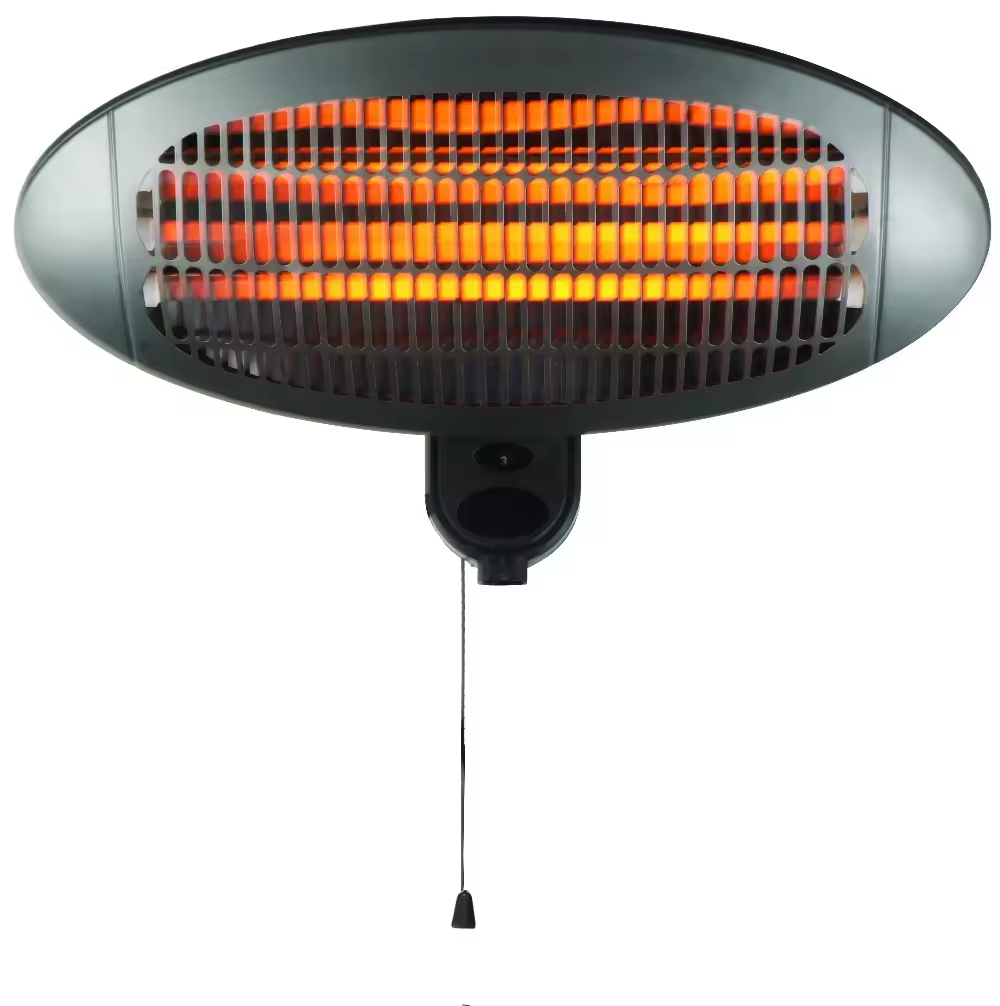
Infrared bathroom heaters put out radiant heat—warming people and surfaces directly instead of trying to heat the air. A 275W halogen bulb glows hot and throws a lot of energy away. A solid infrared unit uses a carbon fiber or quartz element to deliver focused warmth. The spec you can’t skip is the IP rating. In a bathroom, you wantIP54 or higherto keep it safe against splashes from any direction, especially near showers and tubs. Add in a built-in thermostat, and the heater holds your set temperature—no overheating, no that dry, baked-air feeling you get from the old lamps.
Why it fits the bathroom
In a bathroom, you need heat fast, and you need it where you stand. Infrared hits almost instantly—no waiting around. If you’re doing a renovation, swapping in an integrated infrared heater is one of those upgrades that pays off in comfort and long-term reliability. Because the warmth is directional, it lands where you need it, not on the ceiling. The payoff is a more consistent feel, less condensation, and a bathroom that’s genuinely cozy the moment you step in.
What to keep in mind
Installation is straightforward, but it does require a dedicated electrical circuit and a qualified electrician. These are hardwired units—not something you plug into a standard outlet—because bathroom codes demand it. Placement matters since infrared is directional. Mount it at a height that covers the main standing area. Once it’s in, maintenance is basically nothing. Just plan the wiring early in the remodel so the finish looks clean and professional.