

Walk into a senior foot spa the second those infrared lamps switch on, and you feel the room settle. Feet unclench, shoulders drop, and that stubborn chill gives way to a steady, quiet warmth. For older guests, comfort isn’t a nice-to-have—it’s the baseline for a safe, effective soak. When the heat can’t keep up, feet stay tense, circulation drags, and the session loses its therapeutic edge.
What matters under the hood
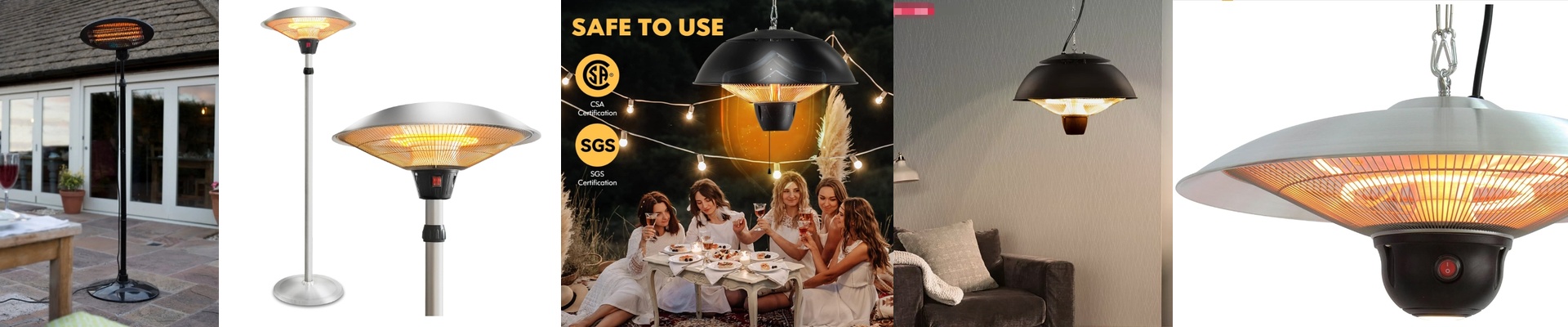
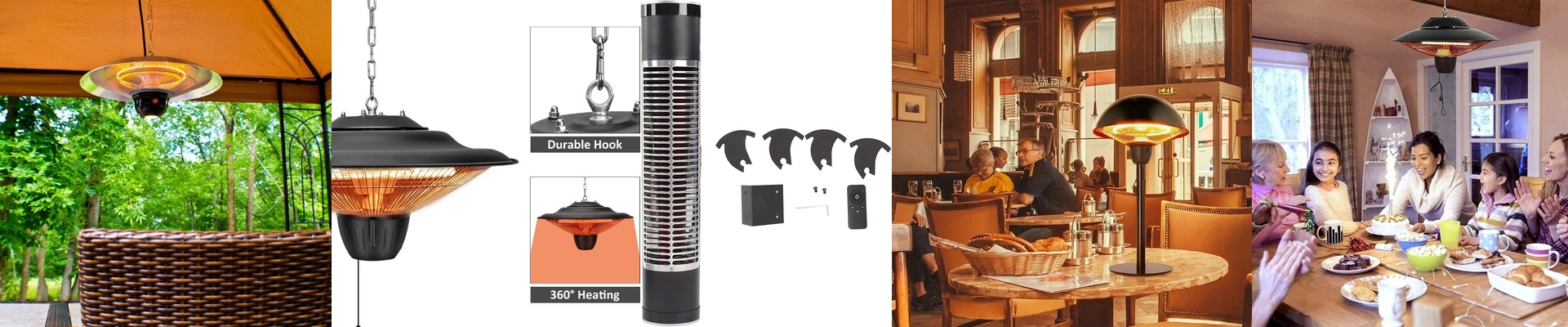
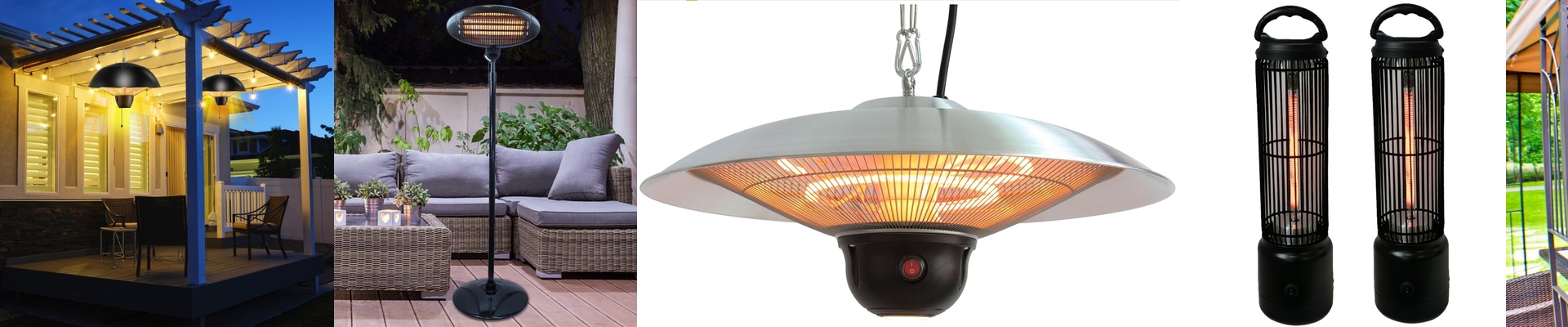
We built our custom logo infrared heater around short-wave quartz elements, because they respond fast and deliver direct radiant heat. The lamps throw focused warmth outward, heating the surface and the tissue underneath without roasting the air. A 300W output is plenty for a foot spa zone without straining the circuit, and the profile is compact enough to sit cleanly over foot basins. It runs on standard 120V, plugs into a grounded outlet, and the outer guard stays cool to the touch. Control is straightforward: an adjustable thermostat holds the temperature steady, and tip-over protection shuts the unit off if it gets bumped.
Why this fits senior foot care
With seniors, you want localized heat, and infrared gets it right where you need it. The warmth hits the soles and ankles quickly, encourages circulation, and helps muscles loosen as the soak gets going. The payoff shows up right away—less fidgeting, fewer calls to crank the heat, and more time spent in a relaxed state. The lamps cover both feet evenly, so there aren’t cold spots. For the spa, that translates to more consistent sessions and lower energy use, because the heat is aimed exactly where it needs to be. And yes, we can add your logo, so guests see your brand every time they settle in.
The practical details
Placement matters. Keep the heater 18 to 24 inches above the foot basin to get even warmth and avoid hot spots on the skin. This unit is for indoor, dry environments only. Keep it away from direct water spray, and route the cord so it stays safe and out of the way. Expect roughly 3,000 hours from the lamps. When they burn out, replacement is simple, and swapping them on schedule keeps heat output consistent.