Fixing Those Annoying Cold Spots in Glass Annealing
If you’ve ever worked with glass that has a tricky shape—think tight necks, sharp shoulders, or a heavy base—you know the headache of “dead zones.” Standard kilns just can’t hit every spot. You end up with these cold pockets that leave internal stress in the glass. And we’ve all been there: you think the piece is fine, and then it just… pops. Spontaneous breakage is a nightmare. To stop that, we started putting shortwave infrared (IR) lamps right into the kiln. It’s basically like giving the kiln a set of spotlights to hit the glass exactly where it needs it.
Why IR Actually Works
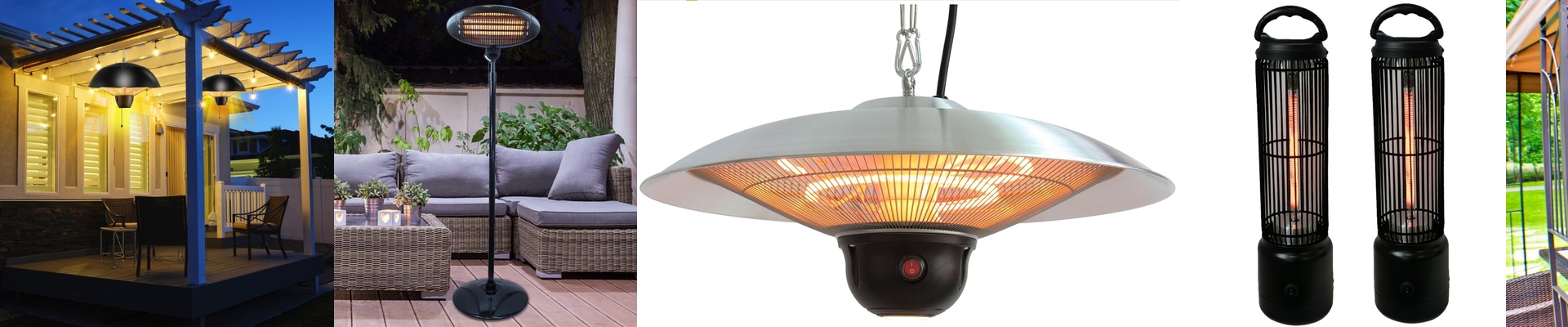
Most kilns rely on moving air, but air is lazy. It doesn’t always get into the nooks and crannies. Shortwave IR is different. It doesn’t wait for the air to heat up; it goes straight through the surface of the glass. We use quartz halogen tubes and set them up in a multi-angle array. By hitting the vessel from a few different directions, we kill the “shadows” that the glass’s own shape creates. No more hiding spots for cold air.
The Nitty-Gritty on Heat
We go for high-wattage lamps because they react instantly. When you flip the switch, you get heat. Right now. That makes it way easier to nail your annealing curve without guessing. But, there is a catch. These lamps put out a ton of heat—not just into the glass, but into the kiln housing itself. If you aren’t careful, you’ll fry your control electronics. You’ve got to make sure your fans and vents are actually up to the task.
Getting it Working on the Floor
The best part is that you don’t have to rip out your whole setup. We design these to be modular, so they can just slide into your existing tunnels. You can even tweak the focal length. If you have a piece with a massive, thick base, you can concentrate the heat right there while keeping the thinner walls from getting too hot. We also match the lamp length to the height of your containers. It saves energy and keeps things efficient. Since these emitters heat up in seconds, you don’t need those massive, lumbering electric ovens taking up half your shop. It keeps the footprint small and the workflow fast.