
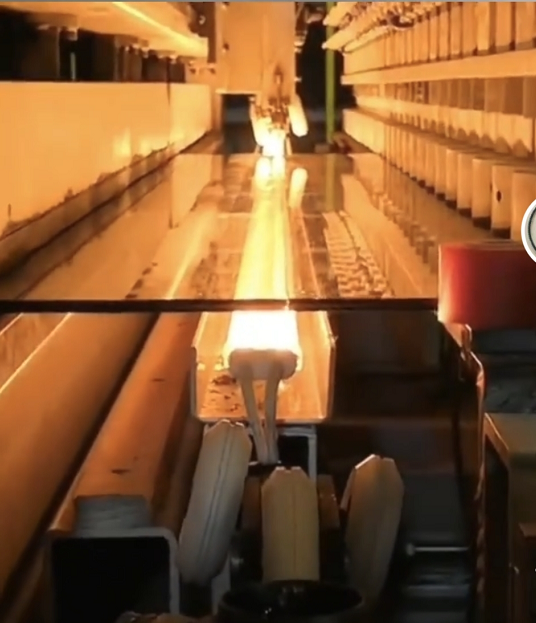
On the tempering line, drying glass paint isn’t just “turn up the heat.” It’s about hitting a tight thermal window: enough energy to crosslink the coating fast, but not so much that you risk thermal shock or optical distortion in the glass. When the dryer isn’t dialed in, you pay for it—slow cycles, pinholes, adhesion failures, and scrap that comes back as field returns.
What actually matters, technically
We lean on medium-wave infrared emitters because the spectrum lines up with how many coatings absorb energy, without dumping extra heat into the substrate. You get direct energy transfer into the film, not wasted heat floating around the bay. In practice, that means a quick ramp and a short dwell—often seconds, not minutes—so the line can run faster (meters per minute) without sacrificing cure depth. The whole setup rides on a controlled thermal profile: power density matched to line speed, emitter spacing set to avoid hot streaks, and a temperature controller that holds setpoint within tight tolerance. The emitter housing is quartz, chosen for stability under high heat and for handling repeated thermal cycling. Output stays consistent over thousands of hours, which matters when you’re running three shifts and can’t afford drift.
Why this approach fits glass processing
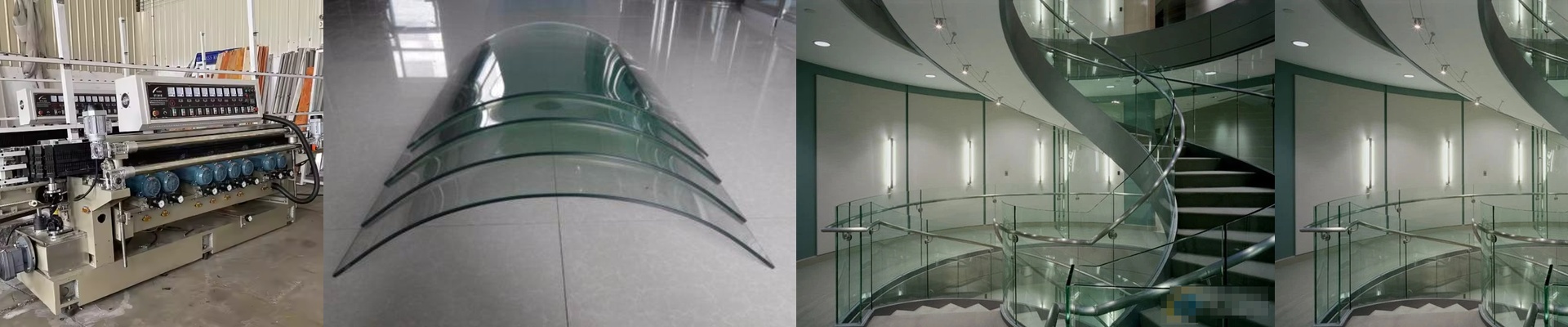
In glass work—especially when paint goes down before tempering or bending—IR drying cuts the bottleneck. The coating cures quickly, the glass keeps moving, and the furnace or lehr can focus on forming and stress relief instead of waiting on surface dryness. That means higher throughput and fewer line stoppages. Quality hinges on uniformity. A balanced IR field keeps shrinkage even, reduces stress marks in the coating, and helps prevent thermal stress fractures in the glass itself. You also use less energy, because you’re heating the coating directly rather than the whole work area. Safety is cleaner too: no open flame, fewer hot surfaces that create ignition risk, and less heat bleeding into the aisle.
The details you can’t skip
IR drying is line-specific. Coating thickness, color, and glass emissivity all shift the energy demand, so the dryer has to be set up and verified against your actual product mix. Emitters are sensitive to contamination—oil, dust, and coating overspray on the quartz tube will rob output and create hot spots. Plan on routine cleaning and keep a spare inventory for quick changeouts. Retrofitting is straightforward, but alignment is critical. If emitters are off, you get uneven curing—edges undercured while the center is dry. Run a mapping pass first: measure surface temperature, confirm cure adhesion, and lock in the profile before you go into full production.