
Why High Ceilings Make Your Changing Rooms Freezing (And How to Fix It)
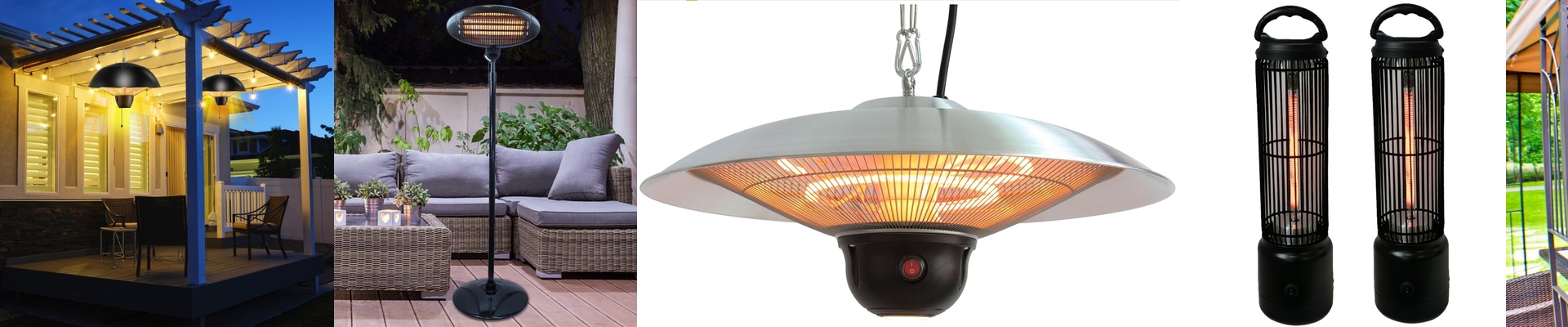
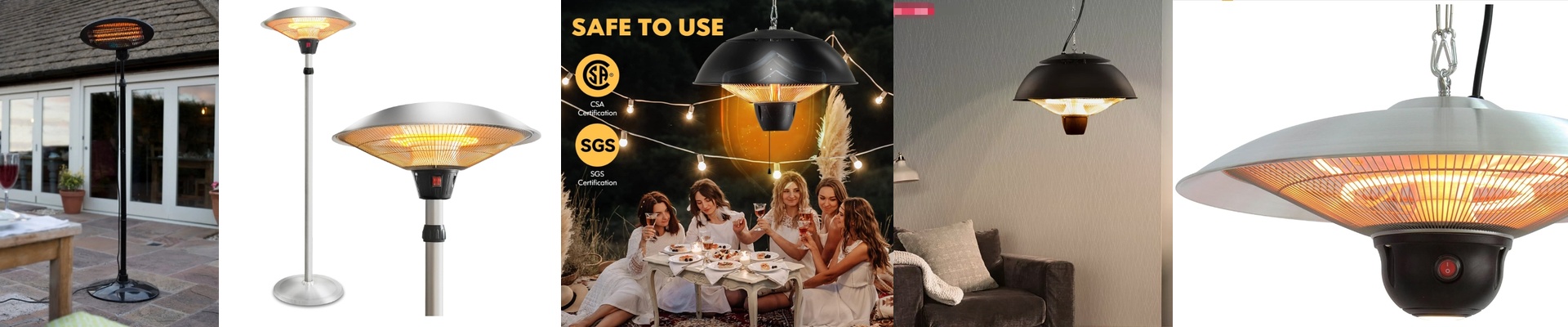
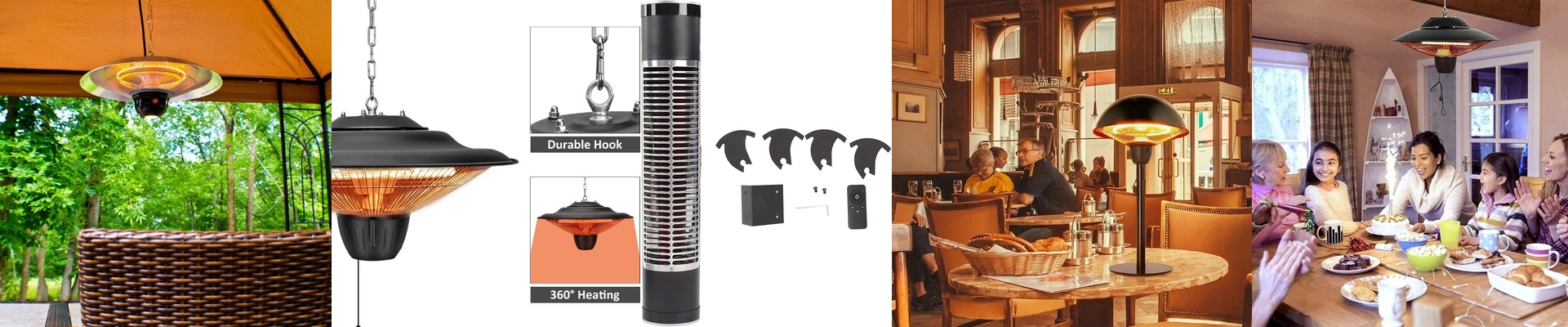
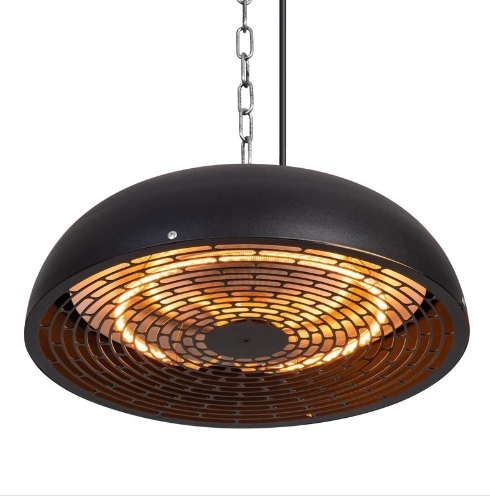
Ever noticed how in those big changing areas with massive ceilings, you’re practically shivering while the air near the roof is probably tropical? That’s the problem with forced-air heating. It just pushes warm air up. You end up paying to heat the rafters while your guests are standing on a freezing floor. We do things differently. Instead of trying to warm up the air, we use shortwave infrared emitters. Think of it like the sun. The sun doesn’t “heat the air” to make you feel warm on a winter day; it beams energy directly onto your skin. That’s exactly what these units do. They send heat straight to the floor, the walls, and the people. Warmth, instantly. There’s no waiting around for a furnace to kick in or for a vent to slowly warm the room. The second you flip the switch, the filaments hit their temperature. The heat moves at the speed of light and hits you immediately. It doesn’t matter if the ceiling is thirty feet high or if there’s a freezing draft blowing in from the front door—you feel warm right away. Getting the setup right When we’re dealing with huge open spaces, we use high-wattage arrays. We stick with shortwave quartz elements because they pack a lot of punch without taking up much space. Usually, we mount them at a bit of an angle so the “heat cone” lands exactly where people are actually standing. But you have to be careful with the height. If you hang them too low, someone’s shoulders are going to bake while their toes stay ice cold. Too high, and the heat loses its kick. We calculate the “throw distance” based on the specific lamps we’re using to make sure it feels just right. One quick heads-up: these high-output lamps pull a lot of power. You’ll need heavy-gauge cabling. If you try to skimp on the wiring over a long run in a big building, you’ll run into voltage drops, and nobody wants that. Perfect for the “revolving door” effect Changing rooms are tough because people are constantly coming and going. Every time the door opens, the warmth escapes. But since infrared doesn’t rely on the room’s air temperature to work, it doesn’t care about the draft. It just keeps beaming energy directly to the surface. It’s the fastest way to keep people comfortable without fighting a losing battle against the laws of physics.