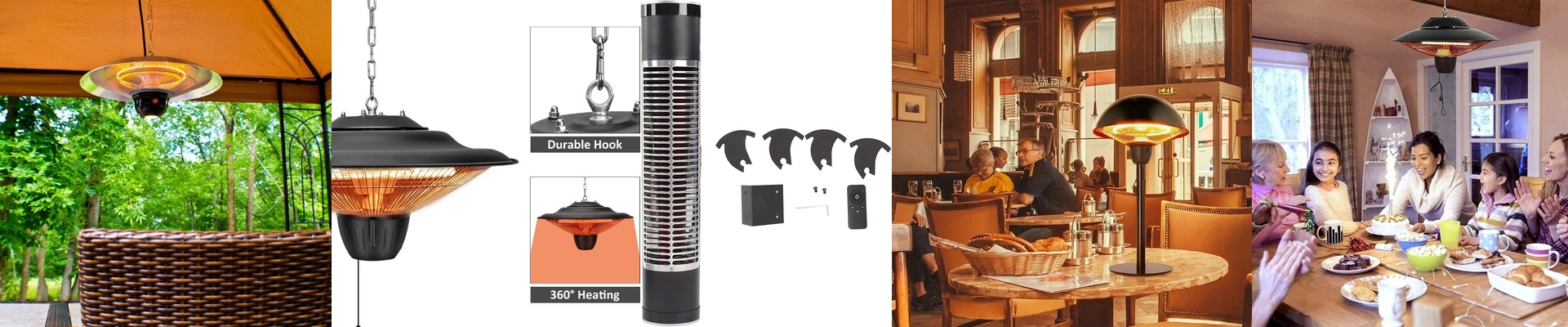
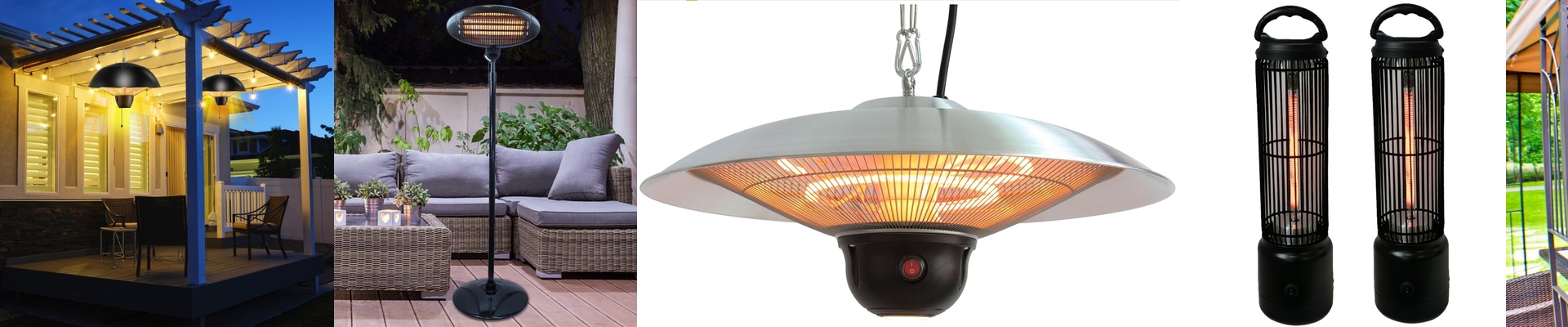

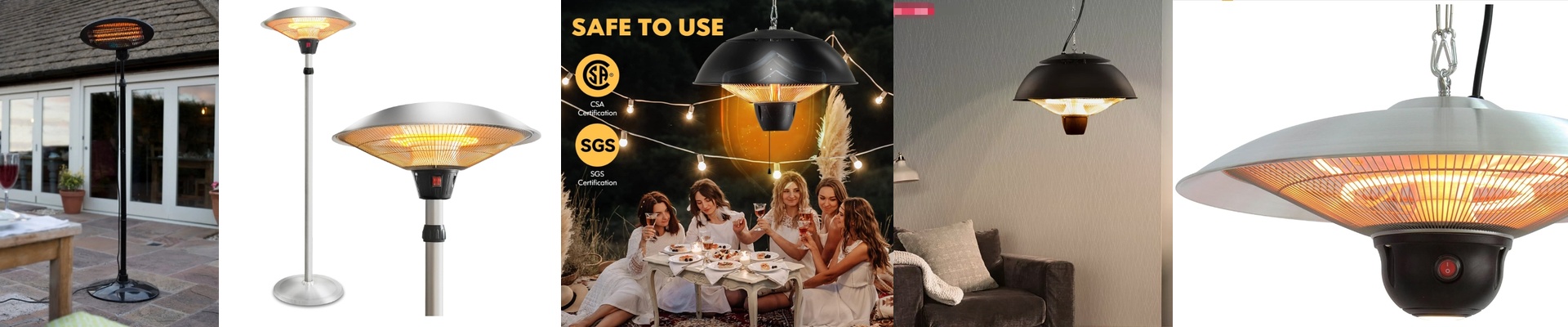
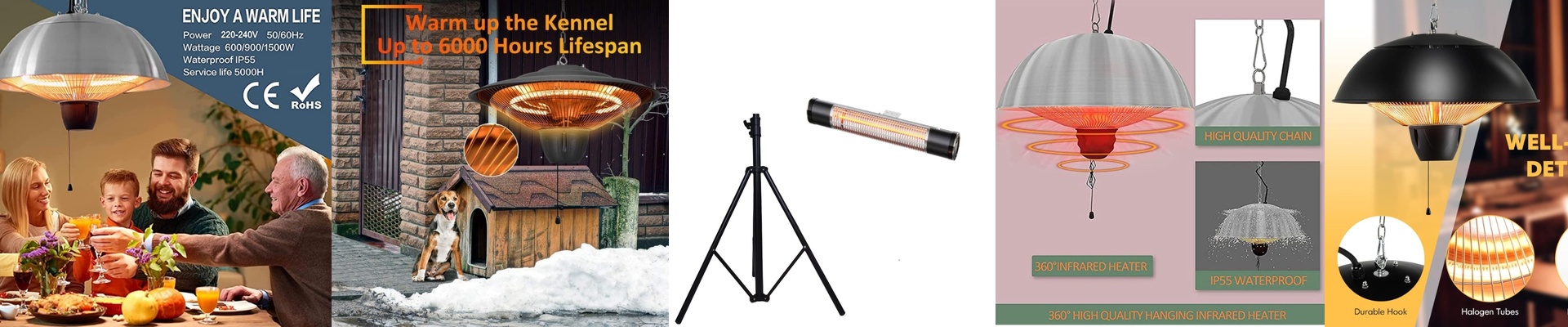

Putting infrared heat lamps in a bathroom is a bit of a gamble if you don’t do it right. You’ve got steam everywhere and water droplets clinging to everything. Since moisture loves to conduct electricity, any cheap insulation is basically an invitation for a short circuit. Nobody wants their lights to pop—or worse—while they’re stepping out of the shower. The battle against leaks If you want this thing to actually last, you have to obsess over the terminal junctions. That’s where almost every unit fails. We don’t just “hope” it stays dry; we use high-temp silicone seals or epoxy potting at the connection points to lock moisture out completely. You also need a massive safety margin on the dielectric strength. Why? Because when the air is thick with steam, electricity can jump in ways it normally wouldn’t. And here’s a pro tip: those standard quartz envelopes are great for heat, but the end-caps? They’re the weak link. We swap those out for reinforced ceramic insulators. It keeps the current exactly where it belongs—in the filament—and away from the chassis. Keeping it safe The lamp itself is only half the story. The whole housing needs to be rated IP44 or IP65. We also run these on a dedicated earth ground. That way, if a seal ever gives out and water hits a live wire, the breaker trips instantly. It’s a lot better to deal with a flipped switch than a live fixture. We usually go with double-insulated cabling (Class II) too. It’s just an extra layer of peace of mind. If the primary insulation wears down from those harsh bathroom cleaners we all use, the outer casing won’t suddenly become electrified. The tricky part There is a catch, though. If you seal everything too tight, you create a tiny oven. The water stays out, but the heat gets trapped inside the junction box. If there’s no way for that heat to escape, you’ll eventually cook your own wire insulation. It’s a balancing act. You need that high IP rating for safety, but you still need a bit of ventilation or a decent heat sink so the terminals don’t melt themselves.