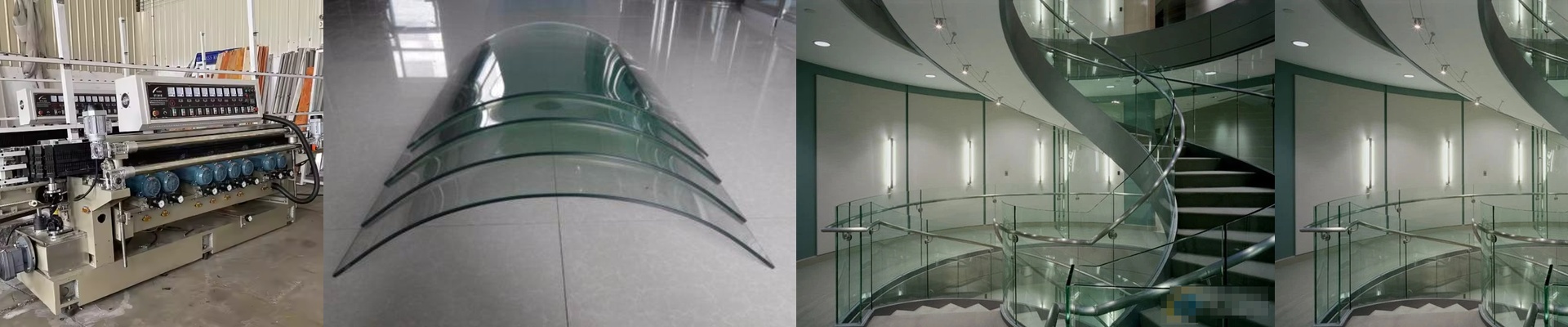
On the insulating glass line, you’ve got a tight window to hit with the sealant. If the bead cures unevenly, the edge bond comes up weak—and you know what that means: callbacks. If the heat lags, the whole cell backs up. We built this IR lamp to hit that cure window, shift after shift. What actually matters on the line We run short-wave NIR quartz emitters so the energy goes straight into the Sealant, not the frame. The lamp jumps from ambient to 200°C in under 8 seconds, so it keeps up with high-speed sealing heads. Across the cure zone, uniformity is ±2°C at 180°C—that keeps thermal stress off the glass and helps you avoid edge cracking, especially on tempered and coated lites. At the focal plane, you get 45 W/cm², so the heat is fast and localized without turning the whole cell into a hotbox. The module is rated for 240 V and 60 Hz, pulls 6.5 kW, and mounts on standard 19 mm rails. IP54 protection holds up in dusty, humid glass plants. Why this plays in a real shop On the sealing table, you need the bead to hit adhesion strength quickly, every time. The lamp’s response shortens cycle time and keeps the line moving. The tight uniformity cuts rejects—no more under-cured corners or over-cured edges. Energy use drops because the heat only comes on when the bead is there, not when you’re heating air. In the field, we’ve seen units run 5,000+ hours with less than 5% output drop. When an emitter does need attention, the modular design lets you swap elements in minutes. A few shop-floor details that make the difference The lamp performs best when bead geometry is consistent and the reflector stays aligned to the bead path. Keep the quartz window clean—sealant overspray on the window will skew the temperature reading. With low-emissivity coated glass, confirm the spectral match. NIR works well, but some coatings reflect more than others, so you want to make sure the energy actually gets in. And expect a warm-up drift in the first 10 minutes after a cold start. Plan your cure profile around it.