Stop Fighting Batch Variability in Your Glass Annealing
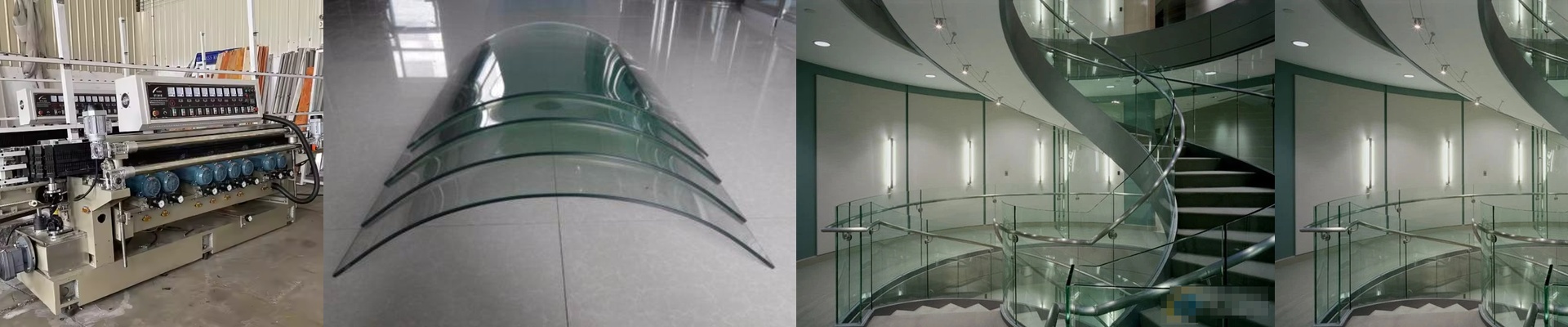
Ever pull a batch of glass out of the oven only to find those annoying “cold spots”? It’s a nightmare. Here is the reality: if one lamp is pushing out 1000W and the one right next to it is lagging at 920W, you’ve got a problem. That tiny gap creates internal stress in the glass. It’s the difference between a perfect piece and a scrap pile. That’s why we’re obsessed with lamp consistency.
Why your batches aren’t stable
For annealing to actually work, every single piece of glass needs to ride the exact same thermal wave. Most infrared lamps have wide wattage tolerances, which basically means they’re guessing. You end up with “patchy” annealing—where the edges of your batch are practically over-baked, but the center is still under-stressed. It’s frustrating. We fix this by tightening those tolerances. We make sure the radiant energy is uniform across the board, so you can stop worrying about where the glass is sitting in the oven.
The nitty-gritty on heat density
We build these heaters to handle a lot of weight and high-density loads. To do that, we focus on the filament geometry and the purity of the quartz. You need a ton of wattage per millimeter to get the glass up to temp quickly, but you don’t want to cook your oven chassis in the process. And here is a pro tip: quartz quality matters. Cheap quartz bows when it gets hot. Once a lamp bows, the focal point of the IR radiation shifts, and your uniformity goes right out the window. Our lamps stay straight. The heat hits exactly where you want it to.
The “gotchas” of high-output heating
Now, there are a few things you need to watch out for. These high-consistency lamps pull a lot of power. You can’t just toss them into an old system and hope for the best. Check your wiring first. If your voltage drops by even 5%, your heat output takes a dive. Make sure your electrical panels can handle the peak current, or you’ll be dealing with flickering or lamps burning out way too early. One last thing. Please, don’t mix and match. If you put new, high-consistency lamps in with your old, tired ones, you’re just creating a thermal imbalance. If you want a stable batch, swap out the whole bank at once. It’s the only way to be sure.