Why we use Shortwave IR for in-line glass annealing
If you’re making scientific glass bulbs, you know the struggle. You need to get rid of those internal stresses so the glass doesn’t shatter, but you can’t warp the shape of the bulb while doing it. The old way? Batch ovens. But let’s be honest—they’re slow. They kill your momentum. That’s why we moved everything in-line using shortwave infrared (SWIR) lamps.
It’s all about the speed
Here is the thing about standard resistive heaters: they waste time warming up the air around the glass. It’s sluggish. SWIR is different. It beams energy directly onto the glass surface. It happens almost instantly. We use lamps with high power density because when your production line picks up speed, you can’t afford to sit around waiting for a heating element to cycle. You just tweak the power, and the heat flux adjusts in real-time. It’s fast. Really fast.
The nuts and bolts
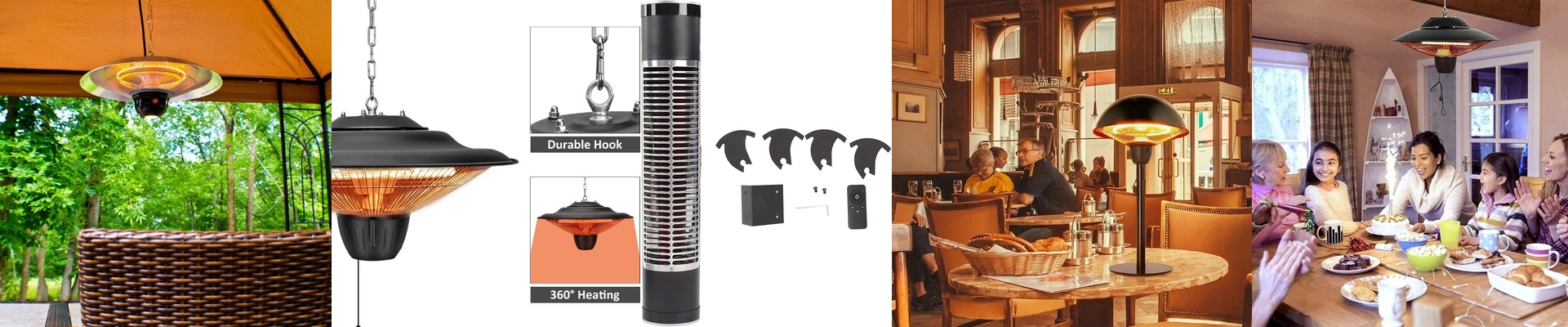
We build these systems with halogen-filled filaments and quartz envelopes. It sounds technical, but it basically just means these things can handle way more heat than the lightbulbs in your living room. On the floor, we use R7s or SK15 connectors. Why? Because when a lamp goes, you want to swap it out in seconds, not spend an hour messing with wiring. But a word of caution: this kind of heat is intense. If you’re running a high-wattage array, you can’t skimp on the cooling fans or the shielding. If you don’t vent the housing properly, you’re going to melt your wiring or warp your reflectors. And that’s a headache nobody wants.
Killing the bottleneck
Traditional lehrs usually create a massive bottleneck in the factory. Everything piles up. By dropping SWIR lamps right into the production flow, you keep a steady temperature gradient. No more scary jumps in temp that cause the glass to crack as it moves from shaping to cooling. It turns a clunky “start-and-stop” process into a smooth, continuous stream. You keep the line moving, the bulbs stay strong, and you stop losing time.