Getting Silk-Screen and Tempering to Actually Play Nice
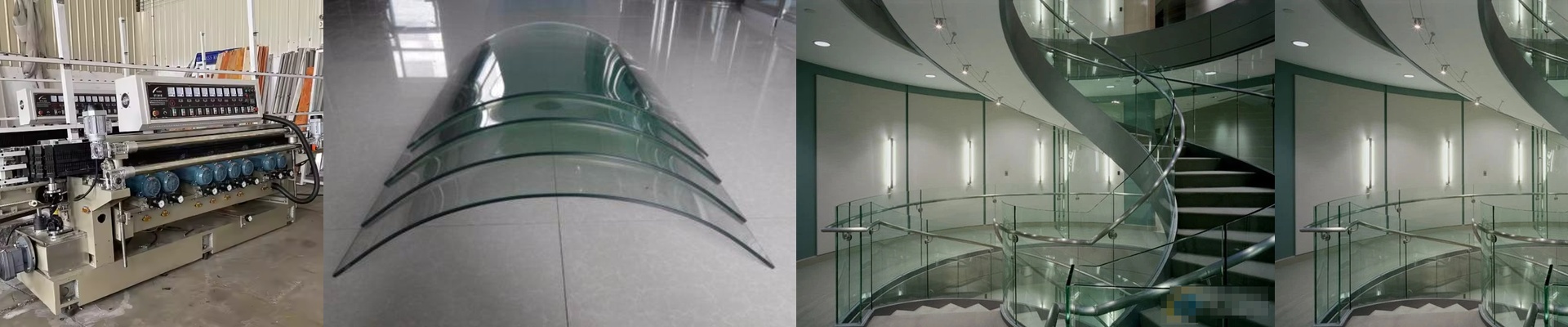
Here is the thing about combining silk-screen printing with tempering: it’s a delicate balancing act. You’re basically playing with fire—literally. If you crank the heat too fast, your ink will blister or just peel right off. But if you go too slow? You end up with uneven stress in the glass, and suddenly your strength ratings are shot. To stop this from happening, we use short-wave infrared (IR) lamps to bridge that gap. The struggle with heat and ink The real headache is that ink and clear glass don’t handle heat the same way. Ink drinks up IR energy way faster than the glass does. If the heat is too intense, the ink surface starts cooking before the core of the glass even gets warm. It’s a mess. That’s why we use zoned IR arrays. By tweaking the wattage across the conveyor, you can keep the surface temperature steady. The ink stays put, and the glass hits that softening point it needs to temper properly. Talking hardware We usually go with high-wattage quartz lamps. They pack a punch, which means you don’t need a massive, room-eating oven to get the job done. But there’s a catch. These lamps put out an incredible amount of radiant heat. If you aren’t careful with your cooling fans and shielding, you’ll end up warping your sensors or melting your wiring. It’s a trade-off, but it’s manageable if you spec it right. On the factory floor When it comes to wiring, we stick to high-voltage feeds. It’s just more efficient for long arrays. We also use heavy-duty connectors because, let’s be honest, thermal expansion is real. You don’t want your lamps arcing or burning out at the terminals just because things got hot. For the folks actually running the line, it all comes down to a repeatable curve. You want the ink cured and the glass preheated in one smooth pass. If you notice your patterns starting to blur, try dropping the intensity in the first zone and letting the glass soak for a bit longer. It keeps the ink locked in while the glass builds up the internal tension it needs to be strong.