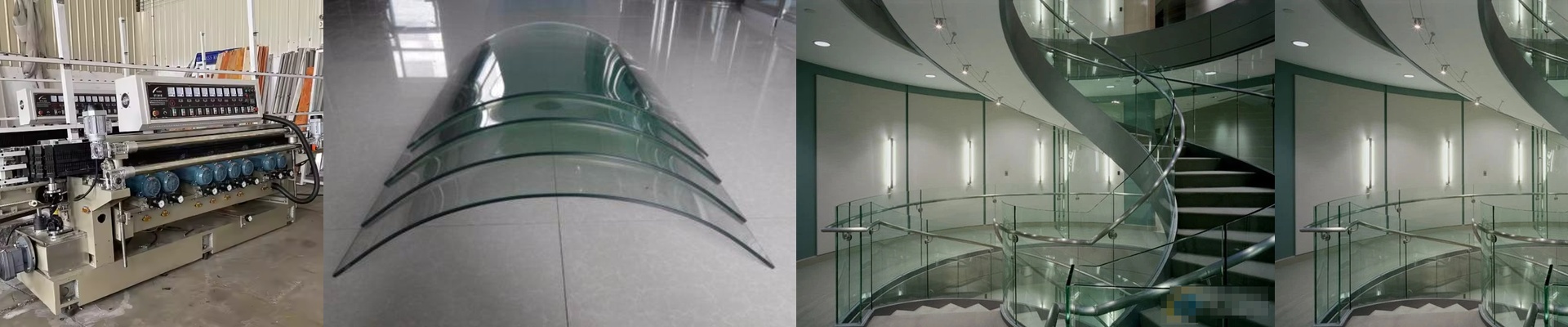

Why Fast-Response IR is the Only Way to Handle Online Glass Annealing
If you’re running a continuous glass line, you know the drill. You can’t just wait around for a traditional convection oven to warm up. That lag time is a killer. When you’re moving fast, the tiny window between heating and cooling is where the battle is won or lost—that’s where your internal stress levels are decided. That’s why we lean on fast-response infrared (IR) lamps. They don’t waste time heating up the air around the glass; they just throw radiant energy straight at the target.Immediately.
Speed and the “On-the-Fly” Factor
Old-school heating elements are just too bulky. They have too much thermal mass, meaning they take forever to get up to temp. Shortwave IR lamps? They hit full power in milliseconds. This is a huge deal because it means your heating cycles actually stay in sync with your conveyor. If you decide to speed up the line, you just bump the wattage. It’s a simple tweak. The glass gets exactly the soak time it needs to relax without you accidentally cooking the edges.
Getting the Heat Right
The trick to a perfect sheet of glass is making sure the temperature is the same everywhere. It all comes down to where you put the lamps and how you control the wavelength. We set these systems up so the energy hits the glass, not the machine frame. We use high-density arrays because**cold spots are the enemy.**One cold spot is all it takes for a sheet to fracture the moment it starts cooling. But you have to be careful. These high-wattage tubes put out an incredible amount of heat. If you go overboard on the power without a solid cooling jacket for the housing, you’re going to melt your wiring or warp your reflectors. You’ve got to make sure your cooling system can actually handle the heat load.
Keeping Things Moving
The best part about online annealing is that you can stop thinking in “batches.” You go from forming to the shipping crate in one smooth motion. By putting the IR lamps right into the line, you can shrink the size of your annealing lehr. It saves space, and more importantly, it means less handling. Less moving the glass around means less chance of something breaking. It just keeps everything moving.