


Stop the Chipping: Why We Preheat Glass with Infrared
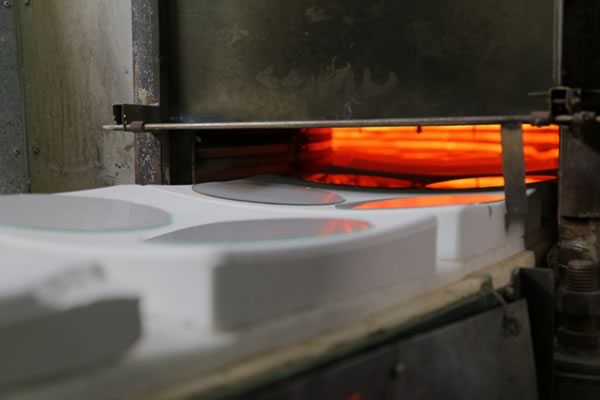
Cutting cold glass is basically a gamble. You’ve probably seen it happen—your diamond blade or scribe hits the surface, and suddenly you’ve got those annoying micro-fractures. One minute everything looks fine, and the next, you’re staring at “corner breakouts” and jagged edges. It’s frustrating and wastes material. To fix this, we use infrared (IR) preheating lamps to settle the glass down before the blade ever touches it. The secret is in the heat. Glass is stubborn and brittle. But when you hit it with short-wave infrared radiation, the surface temperature jumps quickly. We aren’t trying to melt anything here. We’re just easing the internal stress. It changes how the material reacts. Instead of acting like a rigid, fragile crystal that wants to shatter, the glass becomes more predictable. That’s where the magic happens—the chipping just stops. Picking the right lamp You can’t just use any heat source. You need something that packs a punch in a tiny space. Short-wave quartz halogen lamps are the go-to for this. They hit the target area instantly, which is great because you don’t want to accidentally heat up your entire machine frame. If you’re running a high-speed line, you’ll want a lamp with a high wattage-to-length ratio. You need that glass to hit the right temperature in milliseconds. But here’s the catch: high-wattage lamps are thirsty for power. If your wiring or power supplies aren’t up to the task, you’ll get voltage drops. That leads to uneven heating, and you’re right back to square one with those chipped edges. Finding the sweet spot This isn’t a “set it and forget it” kind of deal. If you go overboard and overheat the glass, you’re just trading one problem for another. Too much heat creates new thermal stresses, and the tube might actually crack while it’s cooling down. It’s a balancing act between how far away the lamp is and how long the glass stays under it. We’ve found that using a closed-loop PID controller with an IR sensor is the way to go. It keeps the surface temperature within a tight ±5°C window. It’s the only way to make sure the glass doesn’t stay too brittle or get too soft.