
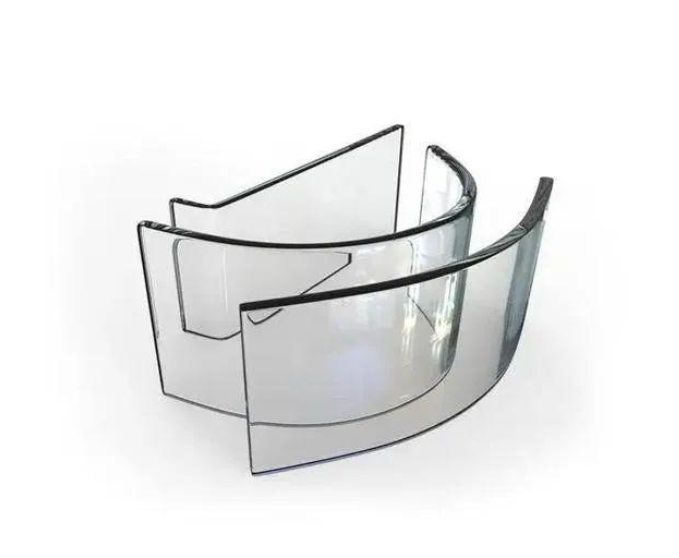
Why Fast-Response Infrared is the Way to Go for Online Glass Annealing
When you’re molding glass, the last thing you want is a bottleneck. You need a steady flow. But the real trick is the heat—you have to get it exactly right, and you have to do it now. If you’re relying on old-school convection ovens or resistive heaters, you’re fighting a losing battle with lag. That’s why we use shortwave infrared (SWIR) lamps. They don’t waste time heating up the air around the glass; they just hit the surface with radiation instantly. It’s immediate. The Need for Speed In online annealing, we’re trying to kill those internal stresses without warping the shape of the part. Shortwave emitters are perfect here because they hit full blast in a matter of seconds. This means your heat can actually keep up with your conveyor belt. If you crank up the line speed, the lamps react right away. Without that speed, you end up with cold spots or glass that’s been cooked too long. Either way, it’s a trip to the scrap bin. Packing a Punch These high-wattage quartz lamps pack a ton of energy into a tiny space. That’s the secret sauce that lets you process things “inline” instead of doing everything in batches. You can get the temperature where it needs to be while the part is moving just a few centimeters. But a word of warning: don’t skimp on your cooling. These lamps throw off a massive amount of heat into the housing. If your airflow is weak, you’re going to melt your sockets or warp your reflectors. It’s a quick way to ruin a good setup. Real-World Maintenance We build these systems so you can fix them fast. We use standard connectors, so when a tube finally gives out, you just pull it and drop in a new one. No need to rewire the whole rack and spend your afternoon swearing at a manual. We use quartz envelopes because they can handle the shock of jumping from cold to scorching hot over and over again. Just keep in mind that they’re fragile. They can handle the heat, but they can’t handle a beating. If your molding line is shaking or vibrating, those filaments will snap. Make sure your mounting brackets are tight and secure, or you’ll be replacing bulbs way more often than you should.