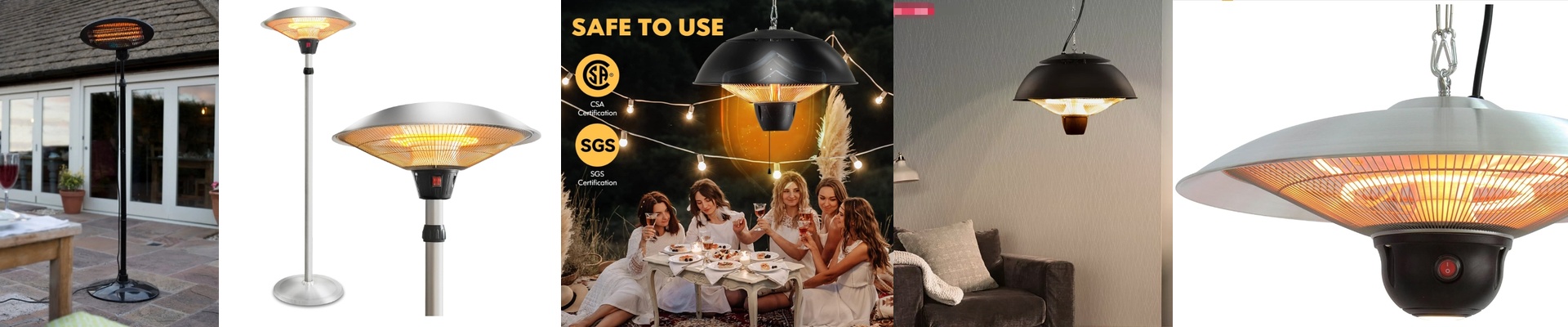

Keeping IP55 Infrared Heaters Safe in Damp Spots
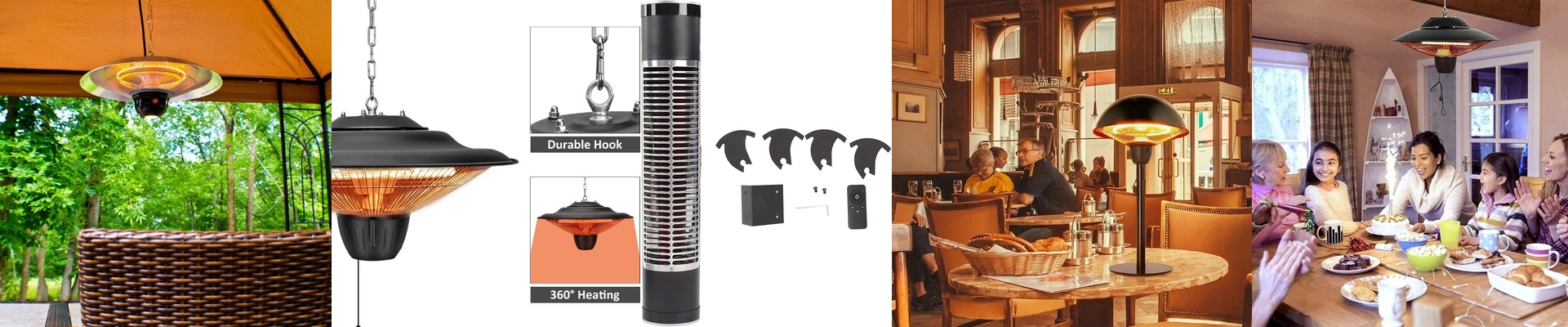
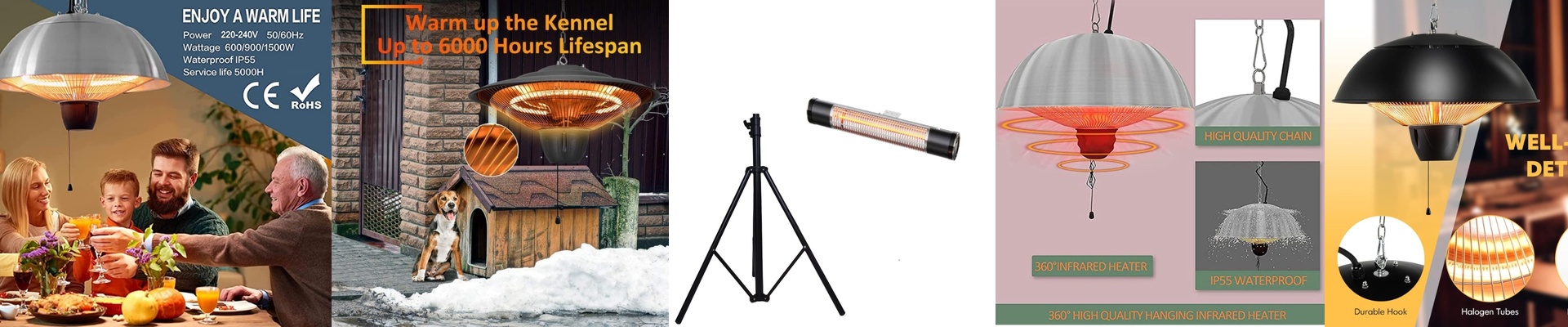
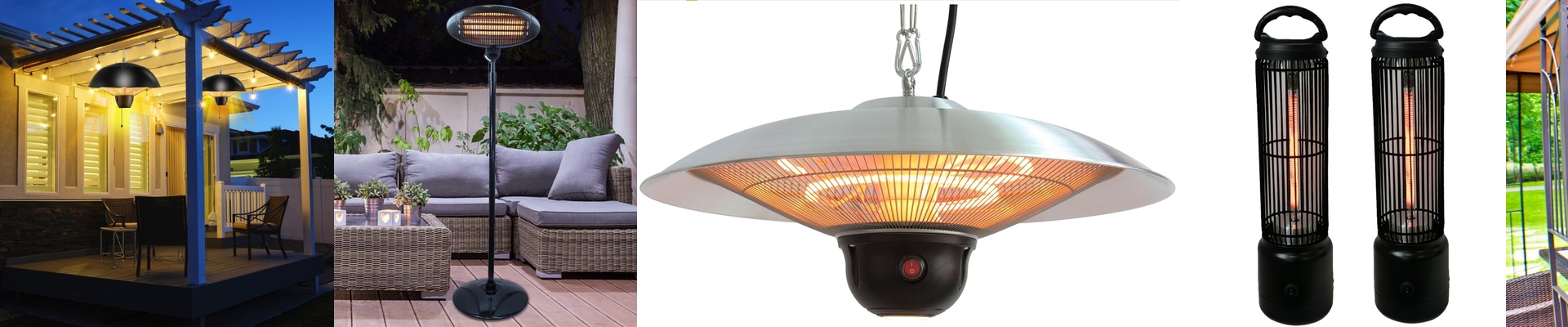
Let’s be honest: putting an infrared heater in a bathroom or any high-humidity area is basically a fight against water. You’re dealing with steam, splashes, and the constant threat of a ground fault. If you want that IP55 rating, it really comes down to two things: how you seal it and how you insulate it. The battle against leaks An IP55 rating means the unit can handle dust and those annoying low-pressure water jets. To make that happen, we lean heavily on silicone gaskets and reinforced cable glands. These are the “gatekeepers” where the wiring enters the chassis. If a seal fails, moisture hits the terminals, and—boom—you’ve got a short. Now, here’s the trick: we don’t use standard rubber. Regular rubber just melts or cracks under the intense heat of an IR lamp. Instead, we use high-temperature fluorosilicone. It actually holds up when things get hot. Stopping the shocks When you’re working in wet areas, you need to be absolutely sure the electricity stays where it belongs. We use ceramic insulators to keep the heating element separate from the metal housing. It’s the best way to make sure the outer shell doesn’t suddenly become “live.” But you can’t just trust the hardware. You’ve got to wire the whole system into an RCD or GFCI. Why? Because even with an IP55 case, condensation can still sneak inside if the heater is clicking on and off too fast. It’s just a safety net you can’t afford to skip. Grounding and the heat trade-off Every single metal part of that heater needs to be bonded to a dedicated earth ground. We use braided copper grounding straps because they handle surge currents way better than a thin wire. But there is a catch. When you seal a heater this tightly to keep water out, you’re also trapping the heat in. There’s no natural airflow. This means the guts of the machine run a lot hotter than they would in an open-frame design. If the room is too small, that heat buildup can actually eat away at your seals over time. To stop that from happening, just throw a timer or a thermostat on the unit. It keeps the enclosure from overheating and keeps the whole thing running longer.