
Why Your Bathroom Should Have Smart Infrared Heat
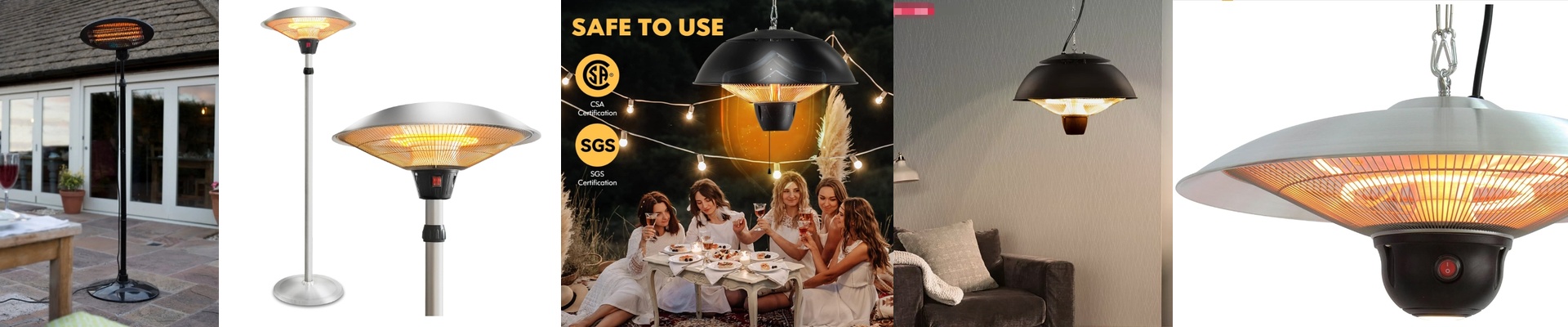
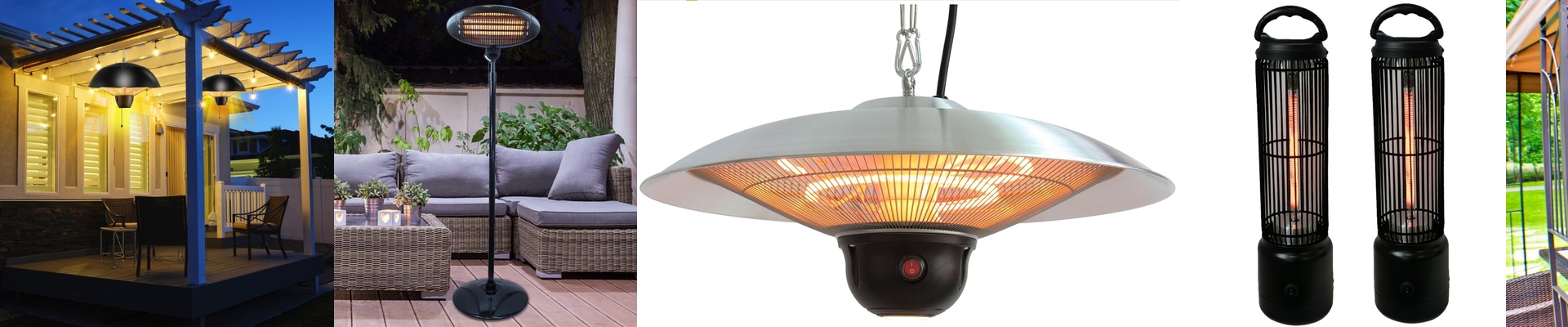
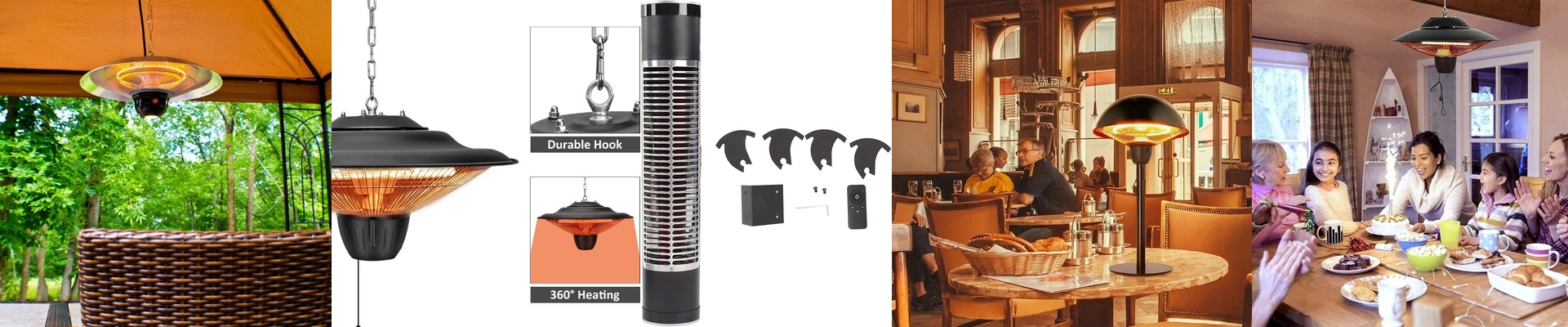
Nobody likes stepping out of a hot shower into a freezing bathroom. It’s the worst part of the morning. The problem is that most heaters take forever to actually warm things up because they try to heat the air first. We do things differently. We use short-wave infrared. Instead of fighting the cold air, it beams heat directly onto you and the surfaces around you. It’s instant. You don’t wait for the room to “warm up”—you just feel the heat the second it turns on.
Making it “Smart” (Without the Headache)
Now, imagine triggering that heat from your bed using your phone. Under the hood, we use Zigbee or Wi-Fi modules to flip the switch. When you hit that “Warm Bathroom” button, the quartz lamps hit their peak temperature in milliseconds. But here’s the tricky part: these lamps have a massive surge of power the moment they kick in. If you use a cheap relay, it’ll literally weld itself shut and break. That’s why we build our circuits to handle that initial punch, so the system actually lasts.
Don’t Just Use a Smart Plug
I’ll be honest: you can’t just plug a high-powered heater into a random smart plug you bought online. You’ll probably fry it. We use dedicated power modules designed for the heavy load of infrared arrays. The smart bridge talks directly to the heater’s board to manage the power. It means you can get the room toasty before you even set foot in there. One click, and you’re done.
The Reality Check
Nothing is perfect. Adding a smart layer means there’s one more thing that could potentially glitch. If your Wi-Fi goes down, you don’t want to be stuck in a cold room. That’s why we always put in a physical override switch. Simple, old-school, and reliable. There’s also the “too much of a good thing” problem. Short-wave IR is intense. If you leave it running on a timer in an empty room, you’re just burning money—or worse, overheating your fixtures. The secret to actually saving energy is using PIR sensors. They detect when you’re actually in the room, so the heat is there when you need it and gone when you don’t.