Why Your Bathroom Heater Needs Explosion-Proof Quartz
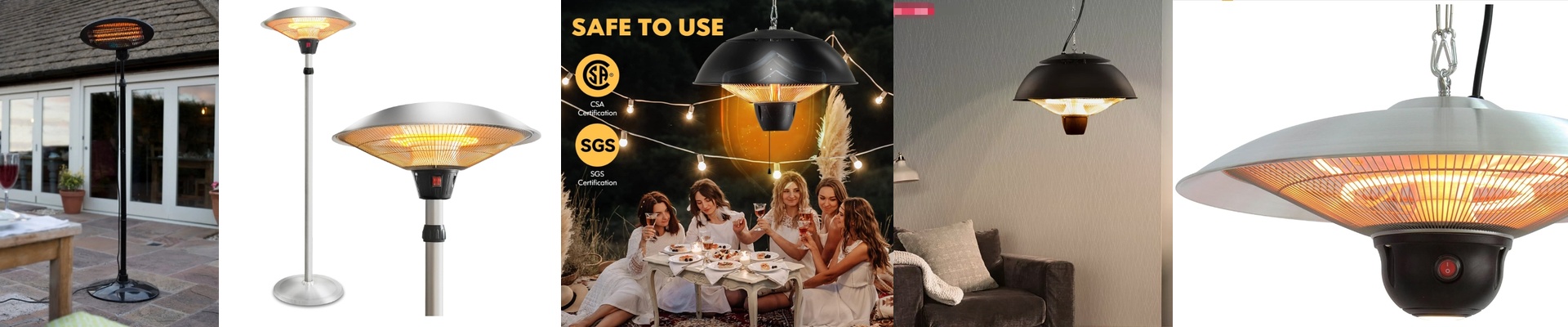
If you’ve ever tried putting a standard infrared lamp in a bathroom or an outdoor wash station, you know the struggle. You’re dealing with steam, splashes, and high humidity. In those conditions, regular lamps usually just give up. To stop your heaters from popping or shorting out, we lean on two things: IP65-rated housings and explosion-proof quartz tubes. Here is why that actually matters.
Dealing with Thermal Shock
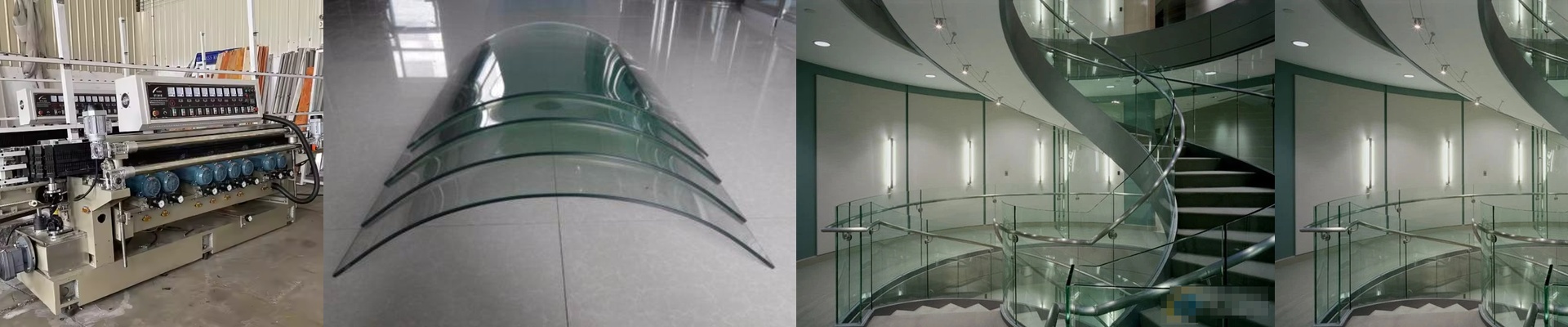
Imagine a quartz tube heated to 800°C. Now imagine a single, cold drop of water hitting it. Crack. That’s thermal shock. It happens in a heartbeat. We use explosion-proof quartz because it can take those wild temperature swings without shattering. It’s built to handle the pressure and the impact. And if the worst happens and the tube does fail? The “explosion-proof” part means the glass doesn’t fly everywhere in sharp shards. It stays contained or breaks into dull little grains. Much safer for everyone involved.
Keeping the Water Out
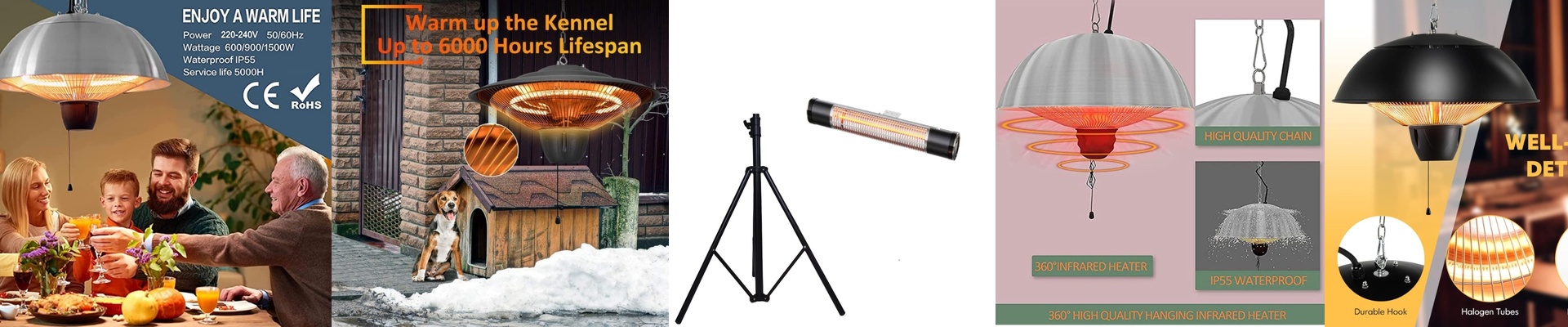
Then there’s the housing. An IP65 rating basically means the unit is tight enough to keep out dust and handle water jets without breaking a sweat. We spend a lot of time sealing the wiring entries and the lens interface. You can’t just wrap a heater in plastic and call it a day—it would melt. You need a chassis that lets the heat breathe but keeps the water away from the electrical terminals.
A Few Things to Keep in Mind
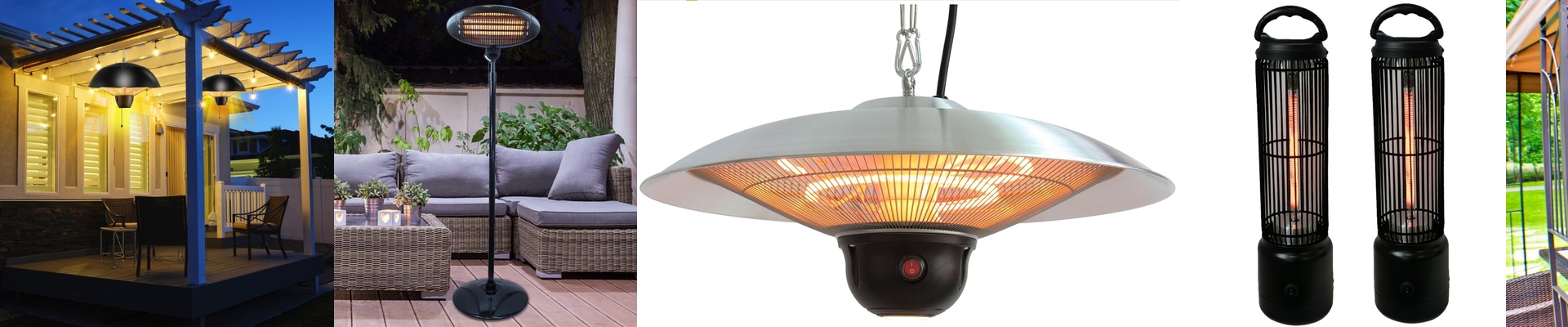
The best part about these units is the speed. They provide radiant heat, meaning they warm you up instantly, not the air around you. It’s the only way to actually feel warm in a drafty shower area. But here’s the catch: wattage matters. The more power you pump in, the hotter the housing gets. If you cram too much wattage into a tiny enclosure, you’ll trip the thermal cutout. It’s a balancing act. You have to match the power to the size of the housing, or you’ll burn out the filament way too fast. And please, for the love of everything, wire these into a GFCI circuit. No exceptions.