
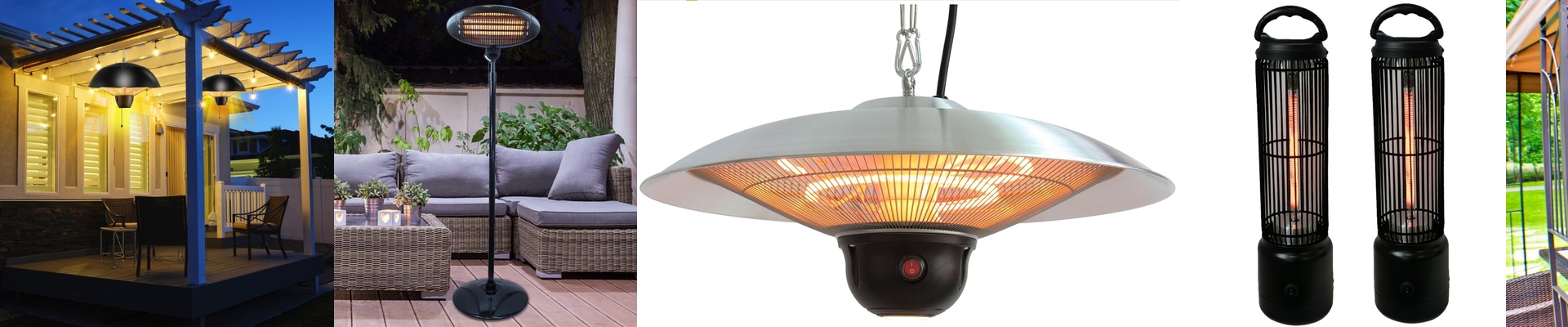
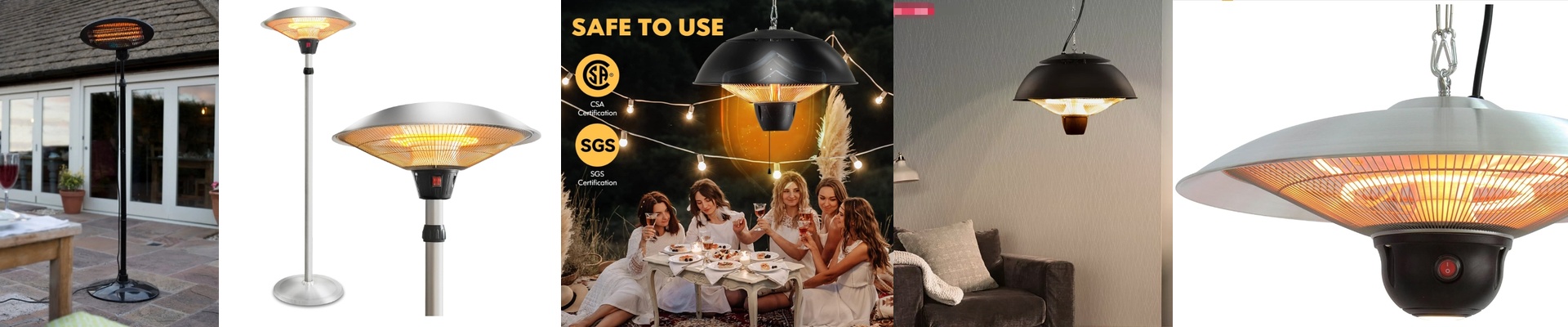



Making Infrared Heaters That Actually Work in the Rain (and Your Smart Home)
Let’s be honest: most heaters and water don’t mix. Put a standard heater in a steamy bathroom or on a damp patio, and you’re basically asking for a short circuit. That’s why we build ours with an IPX5 rating. In plain English? It means these units can take a direct hit from water jets and keep on ticking. We do this by sealing up every electrical junction and using housings that keep the moisture out without blocking the heat.
Why it feels like “Instant Heat”
Here is the cool part. Most heaters try to warm up the air around you, which takes forever. Ours use short-wave emitters that send heat straight to your skin. When you trigger the heater through your smart home hub, it doesn’t “warm up” in the traditional sense. It just happens. In a few seconds, you go from shivering to feeling that deep, cozy warmth. To make the “smart” side of things work, we use a relay or a PWM controller. It basically acts as a bridge, letting a low-voltage signal from your Wi-Fi or Zigbee gateway flip the switch on the high-voltage power. One tap on your phone, and the room is comfortable. Simple.
A few things to keep in mind
It’s not all plug-and-play. Because these arrays pull a lot of power, you can’t just throw them on any old circuit. You’ll want to double-check your wiring and breakers to make sure they can handle that initial surge of energy. Also, a quick tip on maintenance: those IPX5 seals are great, but they aren’t immortal. Constant heating and cooling over several years can wear down the gaskets. Just give them a quick look every few seasons to make sure everything is still watertight.
How this looks in real life
For you, it means walking into a bathroom that’s already warm because you told your voice assistant to turn it on five minutes ago. For the person installing it, it’s a relief. They can swap out an old, leaky heater for something that actually belongs in a wet environment. We kept the footprint small, too. They slide into tight ceiling or wall spots easily, leaving plenty of room for the electronics to breathe so they don’t overheat.