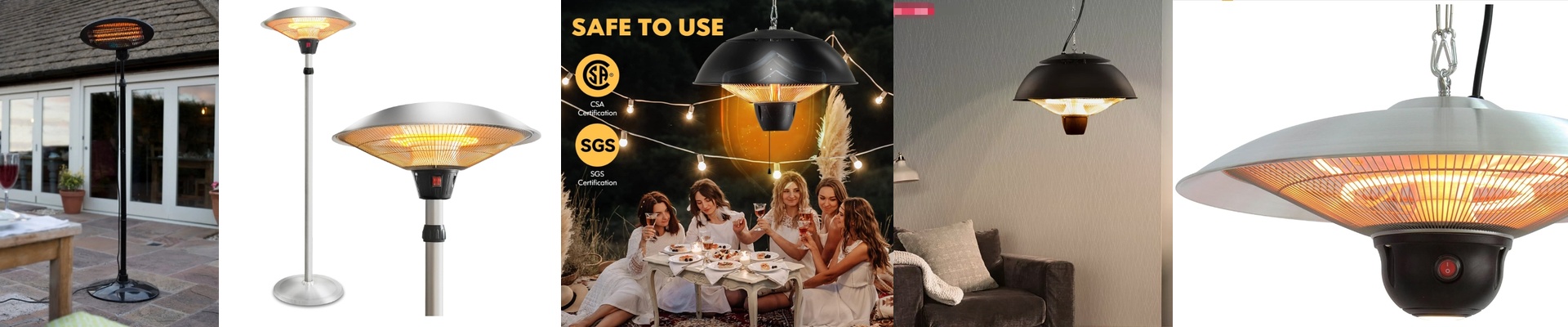
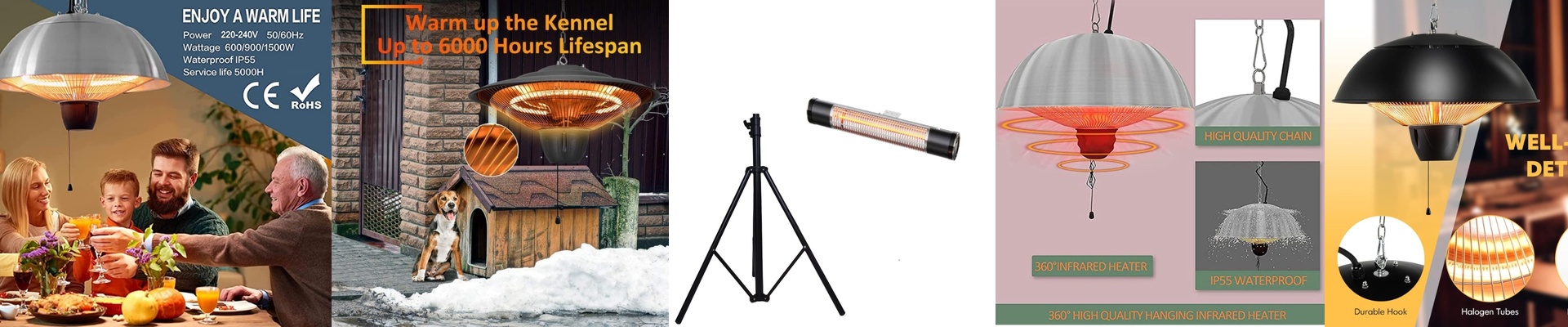
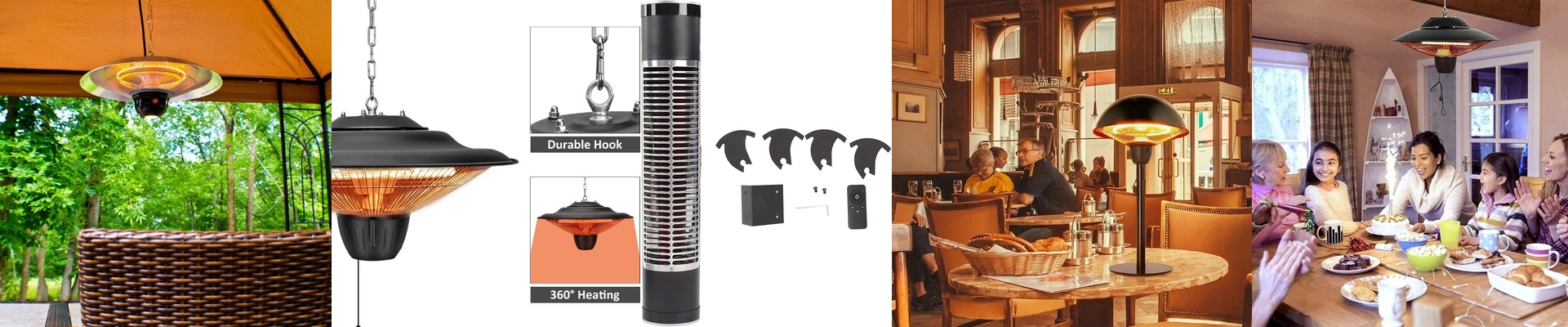
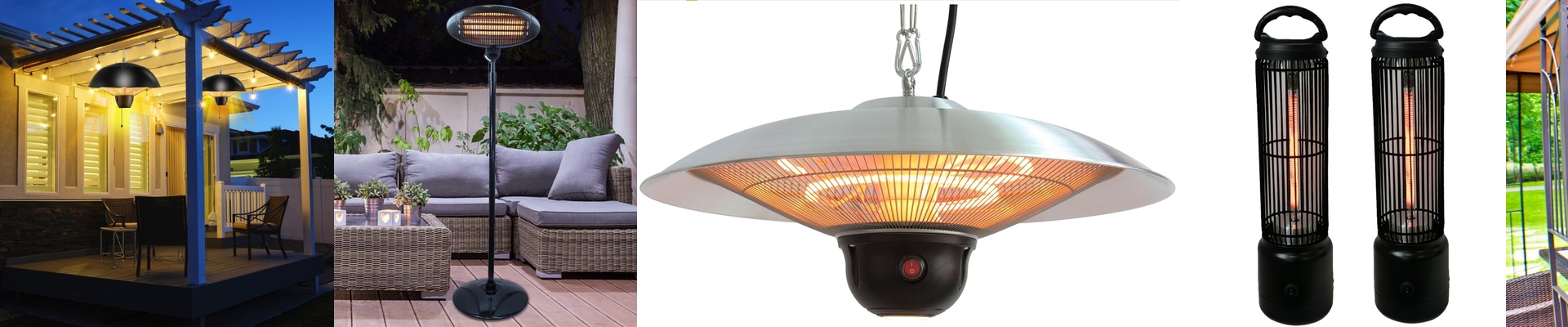
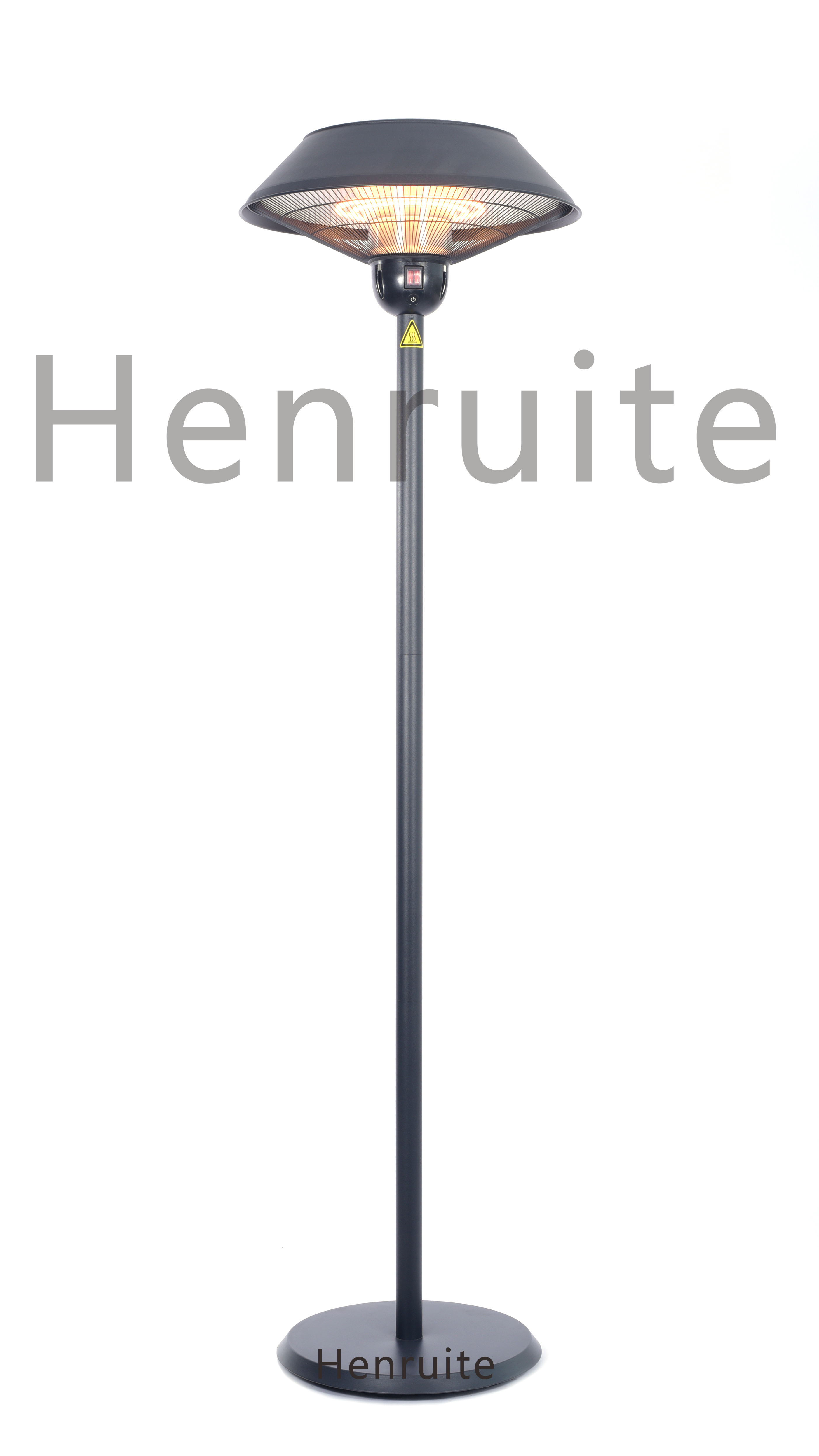
Look, if you’re putting a 1500W infrared heater in a bathroom or a gazebo, you can’t just slap on a waterproof cover and call it a day. You’re dealing with a lot of power and a lot of moisture. And as anyone who’s ever messed with electronics knows, water and electricity are a disaster waiting to happen. One tiny leak in your insulation and you’re looking at a short circuit or a ground fault. Not exactly the vibe you want when you’re trying to relax. The heat problem Here’s the thing: 1500W puts out a ton of heat. At the connection points, things get scorching. Standard plastic insulators? They’ll warp. They might even melt. That’s why we use high-temperature ceramics and reinforced polymers. They don’t budge under thermal stress. It keeps the live wires exactly where they belong, so they don’t shift and touch the metal chassis. Dealing with the damp A “water-resistant” label is basically marketing fluff. It isn’t enough. You need a real, tight seal around the lamp socket and where the cables enter the unit. We use silicone gaskets and epoxy potting for the internal wiring. It basically creates a fortress that blocks steam and condensation from creeping into the electrical core. If moisture hits those terminals, it creates a path for the current to go where it shouldn’t. Proper sealing keeps the power inside the circuit. The tricky part But there’s a catch. If you seal a heater too tight to keep the water out, the internal electronics can’t breathe. They start to bake. This can kill your capacitors or fry the wiring way faster than usual. It’s a balancing act. You need a chassis that lets heat escape from the critical junctions without letting the steam wander in. Getting it installed When you actually go to wire this up, please use moisture-rated cables. And use grounded outlets. The insulation is great, but it’s not a magic shield. If your grounding is off, you’re taking a risk. Also, make sure your mounting bracket is corrosion-resistant. Humid air eats through cheap metal, and you don’t want your heater deciding to take a dive because the bracket rusted away.