Why we put our bathroom lamps through “the torture chamber”
Let’s be honest: bathrooms are a nightmare for electronics. Between the steam from a hot shower, the sudden chill when you open a window, and the constant dampness, it’s basically a swamp in there. If a lamp isn’t built for that, it’s doomed. The seals give out, the filaments oxidize, and before you know it, the whole thing burns out. That’s why we use damp-heat aging tests. It’s essentially a way to simulate years of bathroom wear and tear in just a few weeks.
The battle against moisture
Here is the thing about quartz and halogen parts: they hate water. When steam sneaks past a seal or finds a tiny gap in the housing, it creates these microscopic cracks. Once the seal is gone, oxygen rushes in. This makes the tungsten filament evaporate way faster than it should. You’ll notice the heat dropping off, and then—pop—it’s dead. To stop this, we shove our lamps into humidity chambers. We crank up the heat and the moisture until the air is completely saturated. It’s brutal. But it forces any hidden manufacturing flaws to show their face. If a seal is going to leak, we want it to happen in our lab, not in your customer’s house.
Finding the sweet spot
We don’t just turn them on and hope for the best. We’re constantly checking for things like leakage currents or drops in insulation. A lamp might look great after a quick 24-hour test. But that doesn’t tell us much. Only a long-term soak in damp heat reveals if the coating is going to peel or if the connectors are starting to rust. There is a bit of a balancing act here, though. We could just make the seals thicker to make them last longer, but that messes with how the glass expands when it gets hot. If we overdo it, the glass might crack under the stress of heating up quickly. It’s all about finding that perfect middle ground.
Real-world reliability
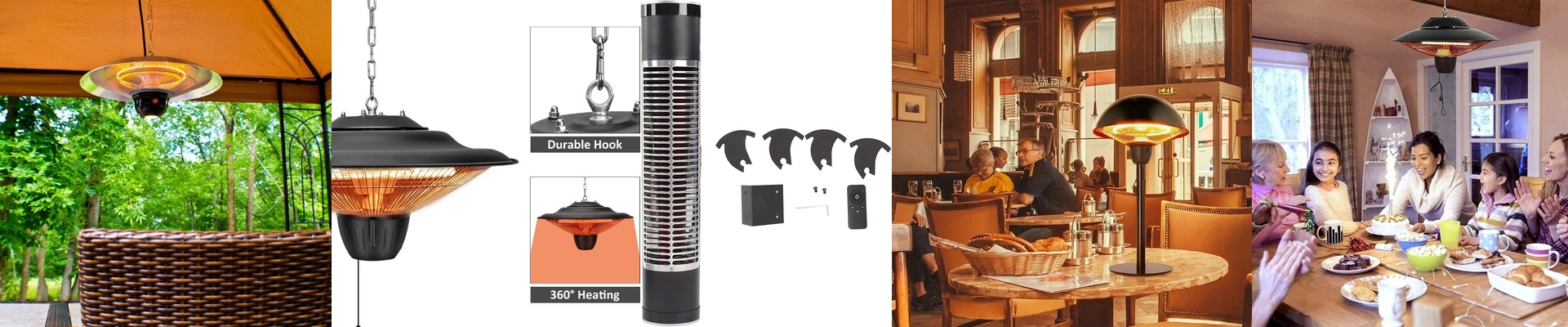
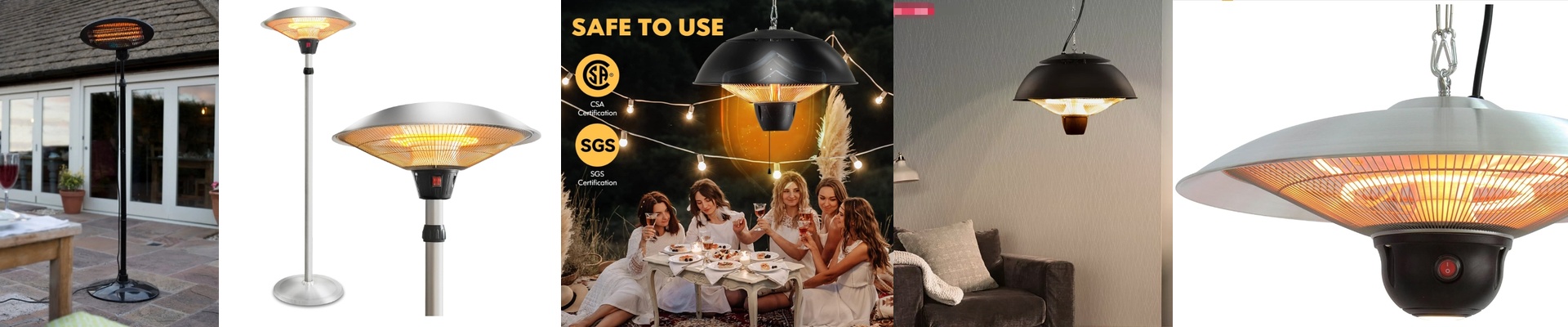
We aren’t interested in what a theoretical data sheet says. We care about what actually happens. We track exactly how the light and heat fade over the entire test period. That way, when you wire these into a towel rail or a ceiling heater, you know they’ll actually keep people warm for as long as they’re supposed to. No surprises. No early failures. Just heat that works.