
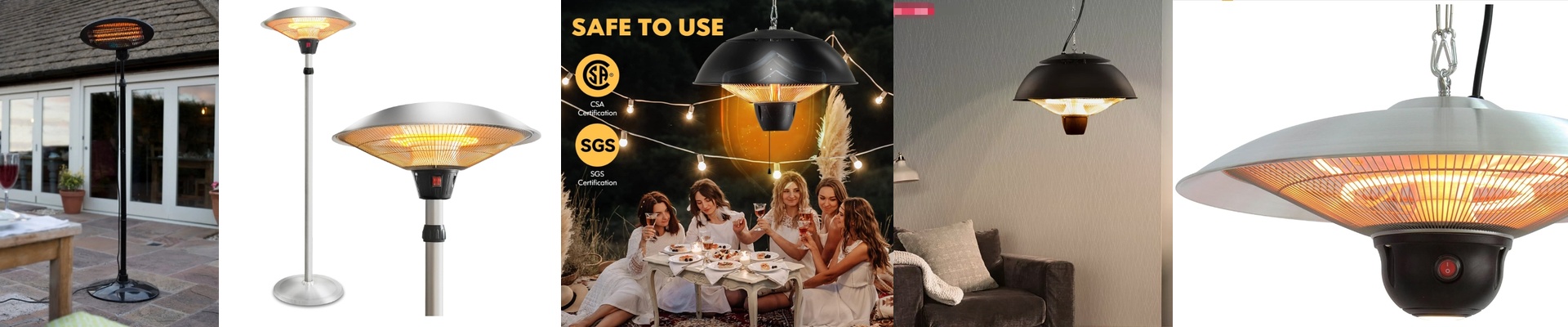


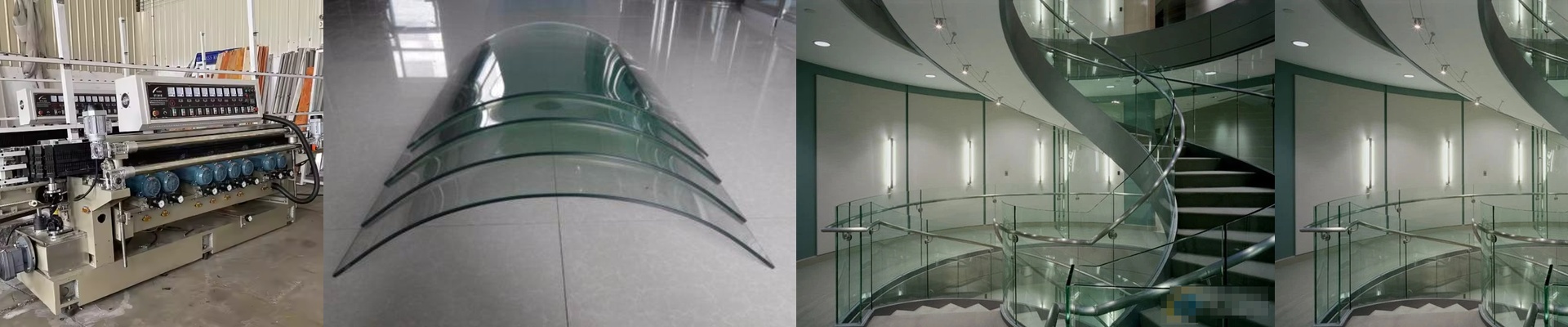
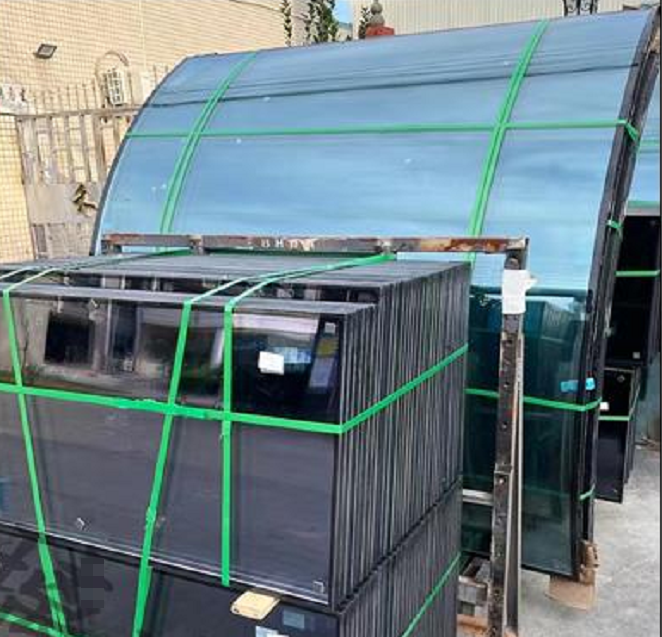
Cutting through ultra-thick glass is a brutal process. If you’ve done it, you know the feeling—your cutting wheels just take a beating. Trying to score cold, thick glass is like fighting the material every inch of the way. The wheels chip way too fast, and you spend half your shift just swapping them out. We found a better way. Instead of forcing the cut, we use clear quartz infrared tubes to warm up the path first. Here is why that works. Most heat just sits on the surface, but shortwave infrared radiation actually sinks deep into the glass. It doesn’t melt anything—that would be a disaster—but it relaxes the glass. It lowers the surface tension and softens the molecular structure right where you’re about to cut. When the wheel finally hits that pre-heated strip, the glass just gives way. It’s a smoother glide, a cleaner break, and way less friction. To make this happen, we use high-wattage clear quartz. We avoid opal or coated glass because we don’t want the heat bouncing around or diffusing; we need it hitting the glass directly. A quick tip on the setup: make sure your lamp length matches your cutting head footprint. If the heat is spotty, you’ll end up with stress fractures, and that’s a headache nobody wants. Also, keep an eye on your ventilation. These tubes get incredibly hot. If you don’t have a proper cooling gap or a vent, you’re going to melt your wiring or warp your brackets. The real win here is the peace of mind. By adding this heating step, you aren’t fighting the glass anymore. Your consumables actually last. You stop the endless cycle of replacing wheels every few shifts and your production finally stabilizes. Just one thing—make sure your conveyor speed is synced with how fast the lamps ramp up. If the glass is moving too fast, you’ll hit cold spots, and you’re right back where you started.