
Stop Your Glass From Cracking: A No-Nonsense Guide to MWIR
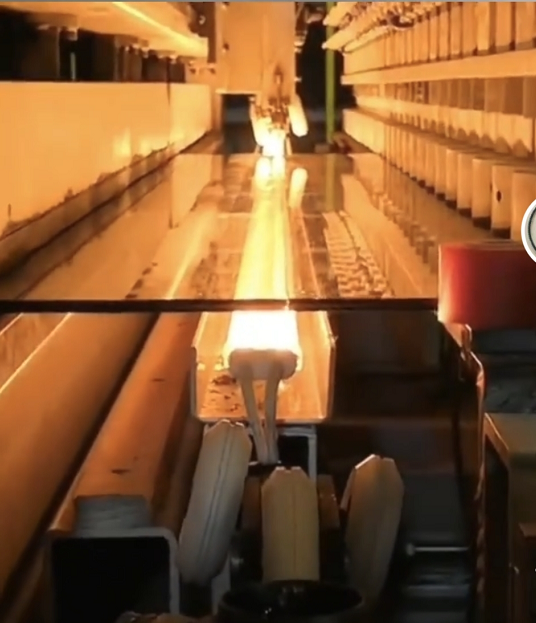
If you’ve ever watched a piece of glass shatter during tempering, you know that feeling. It’s frustrating. Usually, it comes down to one thing: thermal shock. You can’t just blast glass with heat and hope for the best. If you go too fast, it cracks. If it cools too quickly, you’re left with internal stress that’ll haunt you later. That’s why we lean on medium-wave infrared (MWIR) lamps. They hit that sweet spot—they penetrate deeper than short-wave but pack more punch on the surface than long-wave.
Forget the On/Off Switch
Here is the thing: a simple switch isn’t going to cut it here. You need a way to dial the heat in. We pair these lamps with SCR power controllers. Think of it like a dimmer switch for your heat. Instead of a sudden shock, you ramp the wattage up in stages. This gives the core of the glass time to keep up with the surface as it expands. And since medium-wave emitters react almost instantly to voltage changes, you’re in control. If your pyrometer screams that there’s a hotspot, you can drop the power right then and there before the glass hits its breaking point.
The Trade-offs (Because Nothing’s Perfect)
We usually go with quartz-envelope lamps. Why? Because they can handle the brutal temperatures of tempering without warping into something weird. But they’re fragile. If your cooling fans quit or your wiring starts vibrating, that quartz can snap. It’s a headache you don’t want. Just make sure your mounting brackets are tight and secure. A little bit of mechanical stability goes a long way.
Getting it Right on the Shop Floor
When you’re actually wiring these into your line, pay attention to the length. Your lamps should match your conveyor width exactly. If you leave a gap, you get “cold spots,” and uneven tempering is a recipe for disaster. Plus, do yourself a favor and use a dedicated transformer. Plant power grids are notorious for flickering, and that flickering translates directly to your IR output. You’ll end up with inconsistent glass and a lot of wasted material. One last thing—check your cooling. These housings get hot. Really hot. Make sure your system can actually move that ambient heat away, or you’re just baking your own equipment.