
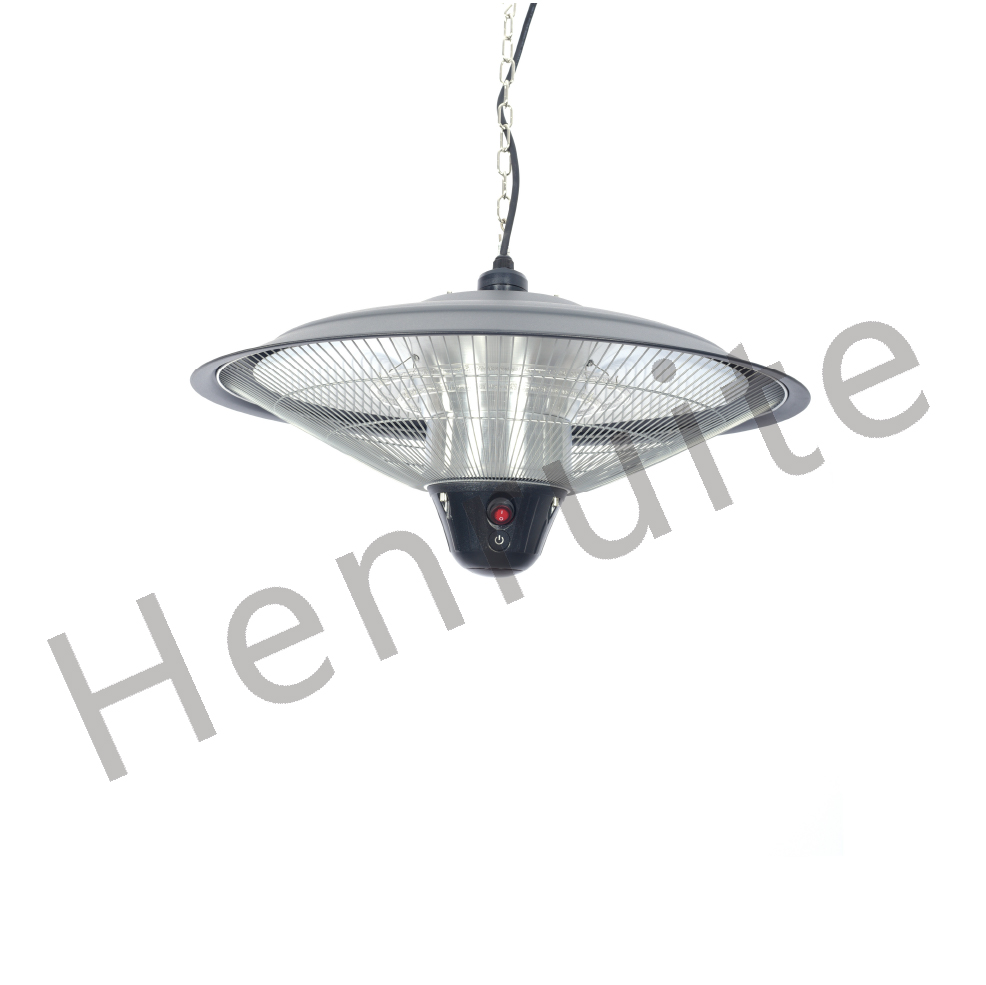
Why Your Bathroom Needs a Real Waterproof Infrared Heater
Ever noticed how those old-school heat lamps in the bathroom just… quit? One day they’re working, the next they’re dead. Usually, it’s because they aren’t actually built for the steam. They have these tiny gaps where the tube hits the housing, and in a steamy shower, that moisture just crawls right inside. It shorts things out or fries the filament. Pretty annoying. That’s why we’re seeing a big move toward heaters with high IP ratings. Basically, these things use sealed gaskets and housings that actually block out the vapor. If you want a heater that lasts more than a couple of seasons, the waterproof rating is the only thing that really matters. The “Instant Warmth” Factor There’s a big difference between heating the air and heating you. Traditional heaters try to warm up the whole room. But the second you open the bathroom door? All that warmth just vanishes into the hallway. Infrared is different. It sends out energy that hits your skin and the floor directly. You feel it the second you flip the switch. No waiting around shivering while the room slowly warms up. It’s just instant. A Few Things to Watch Out For If you’re putting these in, don’t cut corners on the wiring. These units can pull a lot of power, so you’ll want a dedicated circuit and high-temp wiring. You don’t want the insulation melting near the chassis. Also, be careful with where you mount them. These tubes gethot. If they’re too low, you’ll end up with “hot spots” that feel like a tanning bed, or worse, you could damage your ceiling material. Height is everything here. Pro Tip: Do it Now If you’re already tearing up your bathroom for a renovation, this is the time to do it. It’s way easier to put in the right damp-rated junction boxes before the ceiling goes up than it is to try and retrofit them later. Once it’s all wired in, you get a level of warmth that those old lamp warmers just can’t touch.