
Stop Letting a Burnt-Out Heater Kill Your Productivity
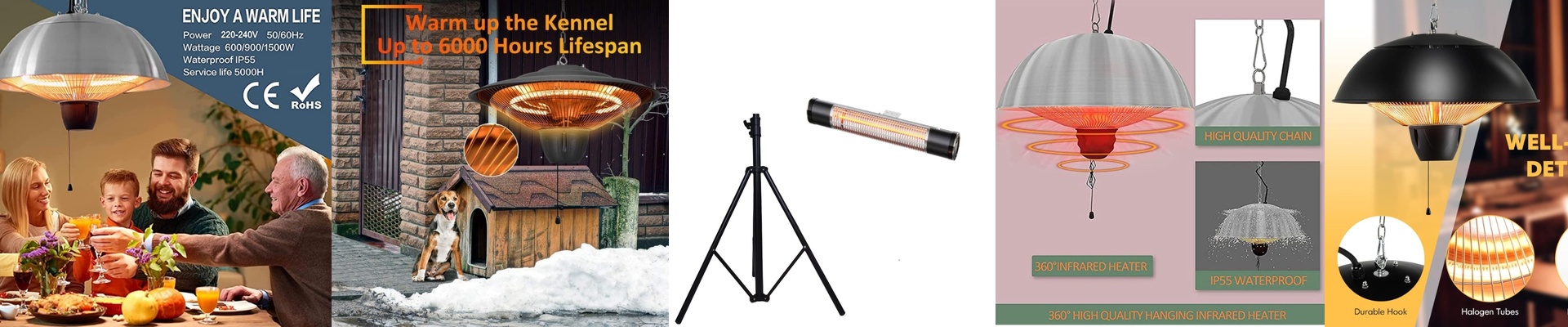
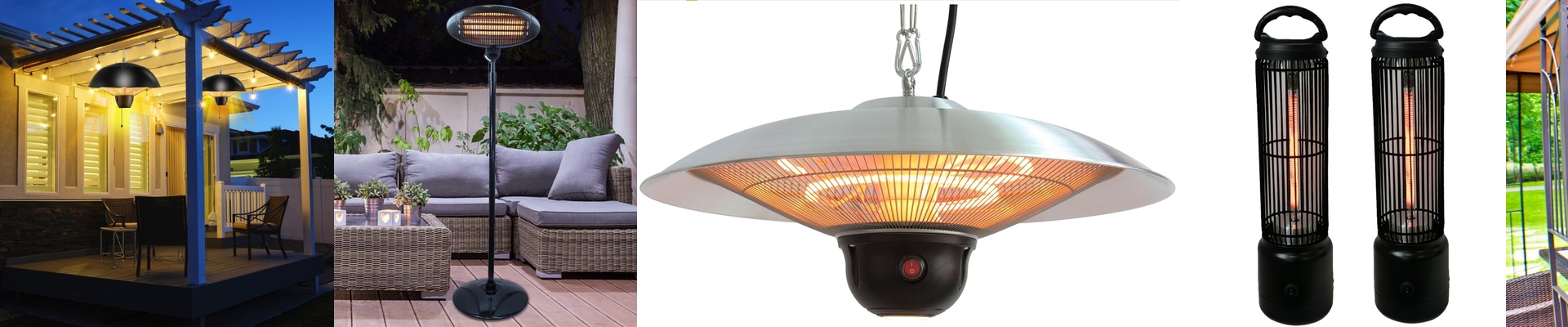
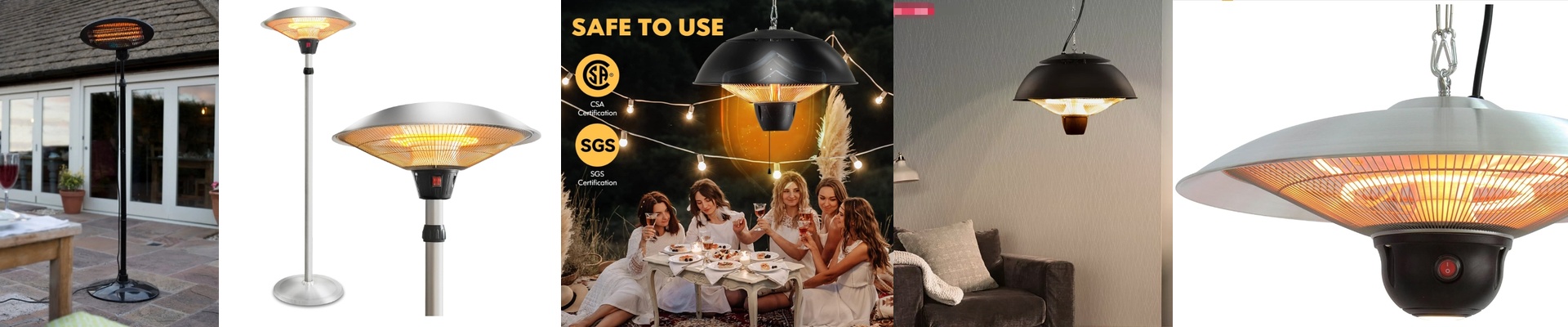
When you buy an industrial infrared heater, you aren’t just paying for heat. You’re basically signing up for a maintenance schedule. And let’s be honest: most of these things fail at the heating element. If your heater is hard-wired or crammed into one giant, solid chassis, a single burnt-out tube is a nightmare. You’re looking at hours of downtime, fighting with wires, and probably questioning every life choice that led you to that moment.
Why we went modular
We decided to build our modules as drop-in replacements. No soldering. No wrestling with tight housings. It’s just plug-and-play. If a tube gives up the ghost after five years of heavy use, you don’t toss the whole machine in the scrap heap. You just pull the module, swap the element, and you’re back in business in minutes. It’s all about getting to the core without needing a specialized toolkit or a PhD in engineering. By keeping the heating element separate from the main power board, one bad part won’t bring your entire production line to a screaming halt.
The trade-off (and why it’s worth it)
Now, look. Modular designs mean there are some physical gaps between the heater and the outer case. Sure, a fully integrated unit might seal the heat a bit tighter. But here’s the thing: that modular gap actually protects your electronics from “heat soak.” It creates a clear line between the scorching hot zone and the sensitive electrical parts. It’s a smart trade.
The reality of the shop floor
Industrial environments are brutal. Between the dust buildup and the constant expanding and contracting from the heat, connections get stressed. That’s why we use reinforced terminals. We want to make sure that swapping parts doesn’t loosen your contact points over time. As long as your team hits the right torque specs during the swap, the turnaround is incredibly fast. You keep your footprint small, and more importantly, you keep the machines running.